

The Stories Behind the World Cup Matter as Much as the Matches
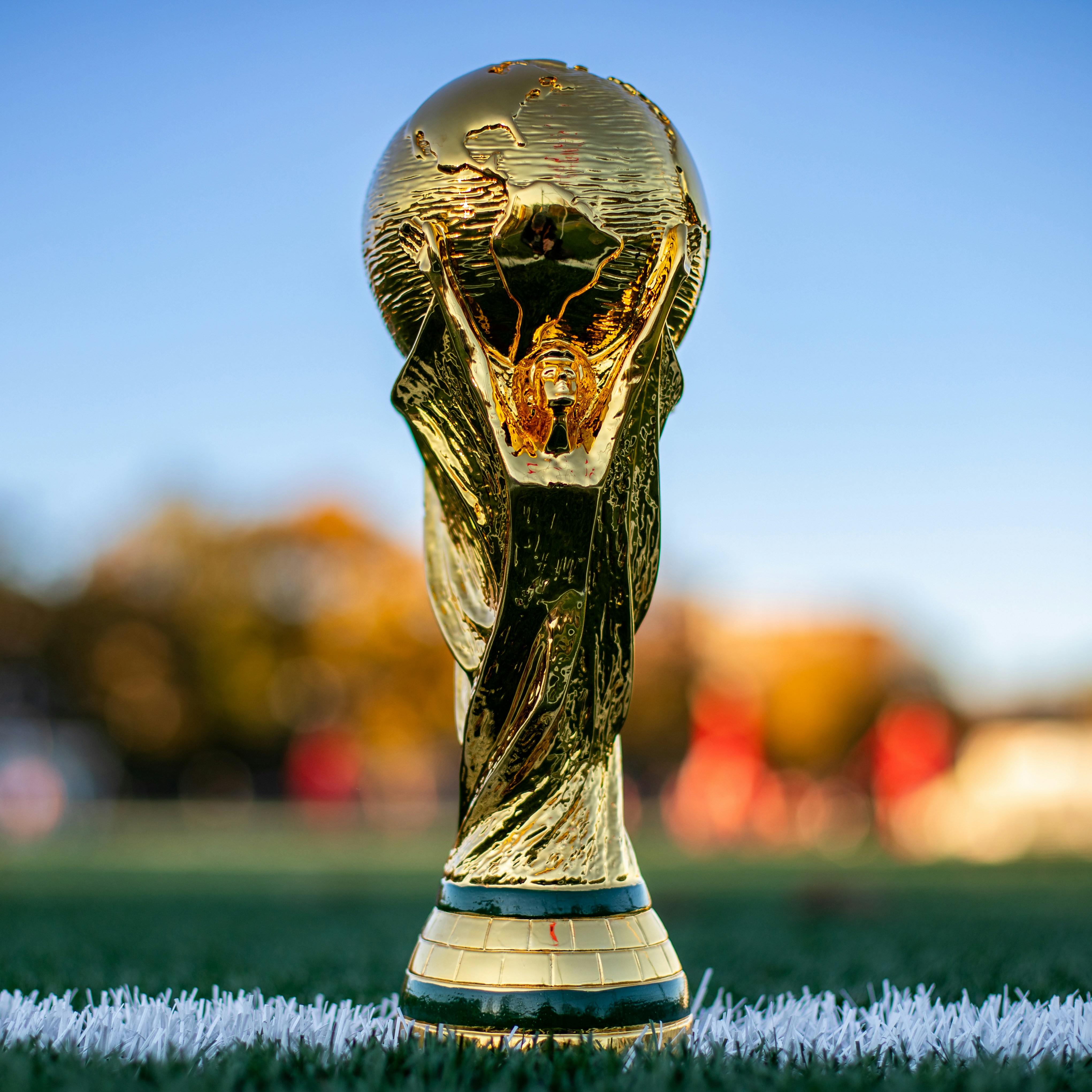
Every four years, the world comes together for the greatest sporting festival, and this year’s FIFA World Cup, held in Canada, Mexico, and the USA, is the biggest yet. But the World Cup is so much more than football matches. It is about the stories inside the stories, the games inside the games. And the drama and behind-the-scenes thing that drives the action on the pitch.
The World Cup always changes the football conversation. Club football gets pushed into the background, supporters start paying attention to teams they might not have watched for four years, and suddenly a group-stage match between countries from different continents becomes the biggest talking point of the day.
With Mexico and South Africa opening the 2026 tournament, that annual routine has started all over again.
The World Cup Opens on Football’s Biggest Stage
World Cups have a habit of pulling football into one place. League tables, transfer rumours and domestic rivalries take a back seat because everybody is looking at the same tournament. This year is bigger than anything the competition has seen before.
The 2026 World Cup features 48 teams and 104 matches, a substantial increase from the 32-team format supporters became accustomed to during previous editions. Mexico and South Africa opened the tournament at the Estadio Azteca, reviving a fixture that also launched the 2010 World Cup.
Those numbers tell part of the story. More teams mean more supporters engaged in the tournament, more matches competing for attention, and far more discussion around predictions, expectations and performance. During a World Cup, football becomes a daily event rather than a weekend habit, which is one reason the tournament remains unmatched in global sport.
World Cup Storylines Extend Beyond the Teams That Qualified
Every World Cup creates winners and losers before a ball is kicked. South Africa’s presence in the opening match gave African football immediate representation on the biggest stage, yet another major African nation spent the tournament watching from home.
Nigeria’s failure to qualify became one of the more surprising stories of the qualification cycle. A squad packed with players from Europe’s leading leagues still could not secure a place at the finals. It is worth looking deeper into Nigeria’s World Cup problem and the reasons the Super Eagles keep falling short. Nigeria is one of those stories inside football that adds to the lore of football. It may be a valid question asking how South Africa qualified, but Nigeria did not.
That contrast is part of what makes World Cups different from domestic football. Supporters do not simply follow the teams that arrive. They discuss who missed out, which qualification campaigns collapsed, and which countries managed to exceed expectations. The tournament creates dozens of parallel storylines, many of which continue long after the final whistle.
Tournament Football Still Drives Betting Interest Across the Game
Major tournaments also change the way football supporters engage with betting. A Premier League weekend might attract regular punters, but a World Cup pulls in people who may only place a wager once every few years.
That creates intense competition among operators. Promotions become more visible, football-themed campaigns appear across the market, and many supporters spend time comparing welcome deals before committing to a platform. During a tournament featuring 104 matches, those decisions become part of the wider football conversation. Discussions around promotional value frequently lead supporters toward information covering UK casino bonuses, especially when several operators are competing for attention during the same tournament window.
The football itself remains the main attraction. England’s group containing Croatia, Ghana and Panama guarantees interest from British supporters, whilst every upset result creates another wave of discussion. Betting activity follows that attention because major tournaments generate interest well beyond the established betting audience.
Football’s Commercial Relationship With Betting Is Entering a New Phase
The World Cup arrives at an interesting moment for football’s relationship with gambling companies. Betting remains heavily connected to the sport, yet the commercial landscape is changing.
The Premier League’s front-of-shirt gambling sponsorship ban will take effect before the 2026/27 season, and reports have suggested clubs could face a collective sponsorship shortfall worth as much as £80 million.
That does not mean betting disappears from football. It simply appears in different places. Tournament discussions, prediction markets and football analysis continue attracting significant interest. Breaking The Lines recently explored the United States’ tactical approach against Paraguay, highlighting the kind of detailed World Cup analysis supporters consume throughout the competition.
The commercial relationship is changing, but football and betting remain closely connected whenever the sport reaches its biggest stages.
A Different Football Landscape Is Taking Shape
The opening week of the World Cup has already shown how many different conversations can exist around a single tournament. Supporters are discussing tactics, qualification stories, commercial changes and tournament predictions at the same time. Football remains at the centre of it all; the surrounding landscape is evolving, but the ability of a World Cup to capture attention across the entire sport remains exactly the same.