

Minecraft Building: How Ordinary Houses Turn into Personal Worlds
Minecraft has existed long enough to feel familiar, almost ordinary. Many players start the game already knowing what they expect to do: survive the first night, build a house, maybe explore a cave or two. But what actually keeps people playing for months or even years is not the checklist of actions. It’s the slow transformation of a random world into something personal.
At the beginning, everything feels temporary. The first shelter is usually rushed and awkward. Blocks don’t match, space is tight, and the goal is simple—stay alive. No one worries about symmetry or style on the first night. That rough start is not a flaw of the game; it’s part of the experience.
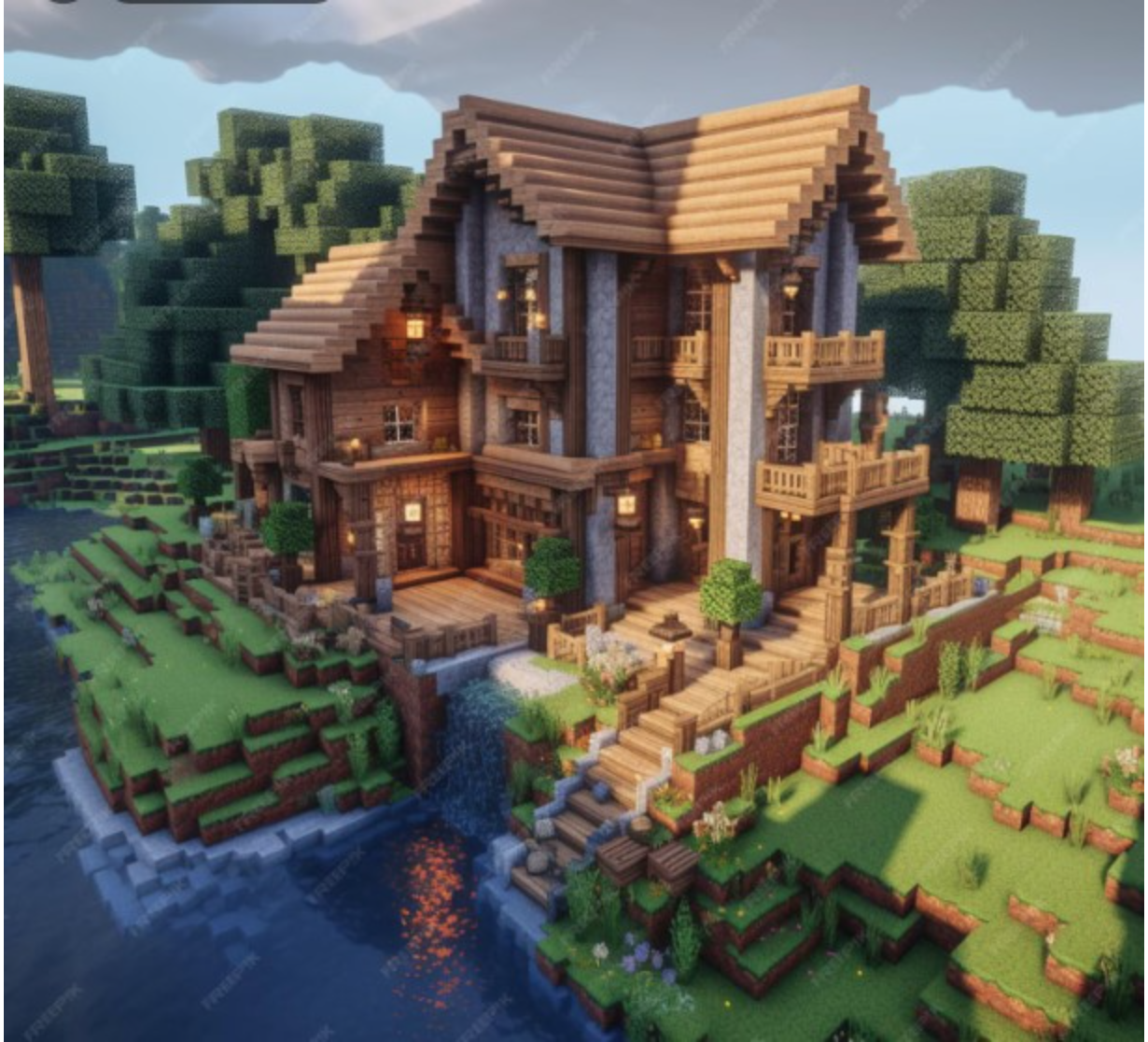 freepik.com
The First Shelter Is Never the Real One
Early houses in Minecraft are built out of necessity. Wood, dirt, or stone—whatever is available. They exist to block out darkness and danger. Players rarely plan beyond that. Much like choosing from the best minecraft hosting sites later on, early decisions are about speed and survival, not perfection.
But once survival stops being stressful, the mindset shifts. The house starts changing. Walls move. Rooms appear. A second chest becomes a row of chests. What was once a shelter slowly becomes a base.
This process doesn’t follow guides or blueprints. It follows habits. Where you naturally walk. What you use most often. What annoys you enough to rebuild it.
Why Bases Reflect the Player
No two long-term Minecraft bases feel the same, even if they use similar materials. Some players prefer compact layouts where everything is close. Others spread out, building separate areas for storage, farming, and crafting.
These choices usually aren’t conscious. They come from how someone plays. A player who explores a lot builds differently from someone who stays close to home. A cautious player invests in lighting and walls. A curious one leaves things open and unfinished.
Over time, a base becomes a record of decisions rather than a display of skill.
Creative Mode vs Survival Reality
Creative mode is useful. It allows experimentation and removes limits. Many ideas start there. But survival worlds tell a different story.
In survival, resources matter. Time matters. You build with what you have, not with what looks perfect. That limitation gives builds character. Slightly uneven floors, mixed materials, and strange room shapes show progress rather than planning.
Those imperfections make a base feel lived in.
When a Building Becomes a Place
There’s a moment when a base stops feeling like a project and starts feeling familiar. You don’t think about where things are anymore. Movement becomes automatic. You know which chest holds what without checking signs.
That’s when a Minecraft world starts to feel permanent. Not because it’s finished, but because it works.
Interestingly, the most memorable bases are rarely the biggest ones. They’re the ones that evolved slowly, responding to problems instead of trying to solve everything in advance.
Multiplayer Changes Everything
On multiplayer servers, this effect becomes even stronger. Different players bring different priorities. One focuses on farms, another on storage, another on building “something interesting.” When worlds are hosted on stable platforms like godlike, that shared creativity can grow without technical interruptions.
Bases grow in unexpected directions. Layouts become messy. But that mess reflects cooperation. The world feels shared rather than designed.
Perfect symmetry rarely survives multiplayer—and that’s a good thing.
Updates Don’t Replace the Core Experience
Minecraft has changed a lot over the years. New blocks, new caves, new mechanics. But the core experience remains untouched. You still start with nothing. You still need light, shelter, and food. Everything else is optional.
Good bases adapt to updates instead of being broken by them. Flexible layouts survive longer than rigid designs. Worlds that allow change don’t get abandoned as quickly.
Why Imperfect Worlds Last Longer
There’s a pattern many players notice only in hindsight. Worlds built around perfection burn out faster. Worlds built around use tend to last.
When everything is planned, there’s nowhere to go. When things are slightly unfinished, there’s always a reason to return.
Minecraft doesn’t reward flawless design. It rewards continuity. Showing up, adjusting, and reshaping the same space over time.
Final Thoughts
Minecraft isn’t really about building impressive things. It’s about building things that make sense to you at a specific moment.
A small house that works can matter more than a massive structure that never gets used. A messy base can feel more alive than a perfect one.
That’s why Minecraft still works after all these years. It gives players space to grow, make mistakes, and leave traces of how they played. One block at a time.