

LEVERAGING AI-POWERED TOOLS TO ENHANCE REMOTE WORK PRODUCTIVITY
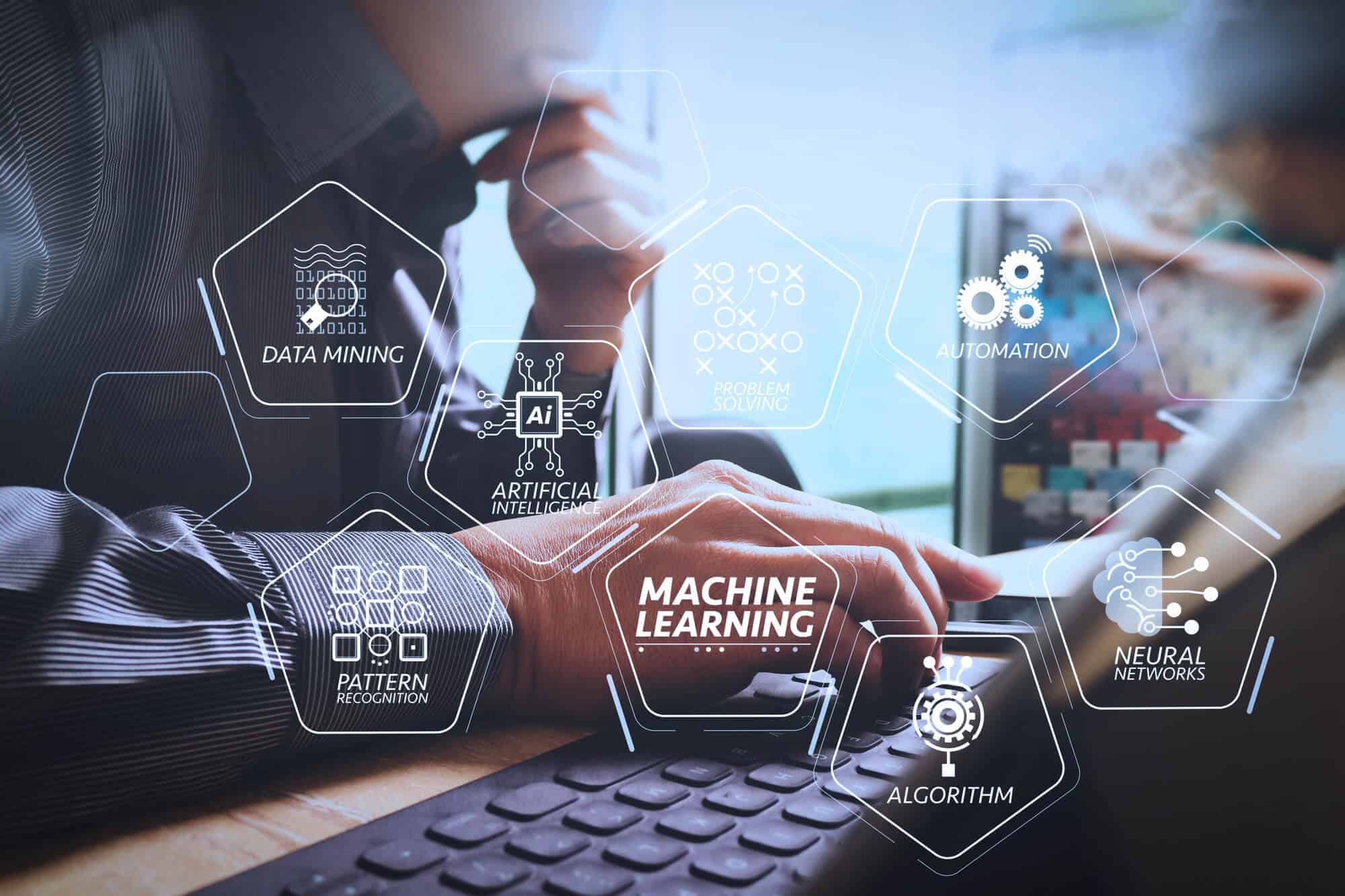
In today’s rapidly evolving digital landscape, remote work is becoming a prevalent norm. This transition to remote setups has brought about both exciting opportunities and significant challenges, particularly around maintaining productivity and collaboration. However, the advent of AI-powered tools offers innovative solutions to these challenges. These tools are not just reshaping the way we work but are also significantly enhancing productivity by automating routine tasks, aiding in decision-making, and facilitating seamless collaboration across various domains. As organizations continue to adapt to these changes, the integration of AI technology in remote work environments proves to be a game-changer for sustaining efficiency and effectiveness.
THE ROLE OF TECHNOLOGY IN MODERN WORK ENVIRONMENTS
The rise of remote work has undeniably been influenced by technological advancements. From communication platforms to project management tools, technology has fortified the backbone of remote work environments, making them more robust and versatile. Cloud services and mobile technology have facilitated access to work resources anytime and anywhere, empowering employees to stay connected and productive outside traditional office settings. Video conferencing tools have replaced meeting rooms, allowing face-to-face interactions that are crucial for maintaining team cohesion. However, as work dynamics continue to evolve, there is an increasing demand for more sophisticated tools to address the complexities of remote work. This is where AI-powered tools come into play. Their ability to handle vast amounts of data and provide actionable insights has made them indispensable in modern work environments, driving efficiency and unlocking new levels of productivity.
INTEGRATING MICROSOFT COPILOT BUSINESS SUPPORT INTO WORKFLOWS
Implementing AI tools like Microsoft Copilot into business operations gives a significant productivity boost, especially for remote teams. Microsoft Copilot is designed to work with Microsoft 365 apps, offering an intuitive interface where AI aids users by automating mundane tasks, generating creative content, and delivering real-time insights. This integration allows employees to focus more on strategic activities rather than getting bogged down by repetitive tasks. Furthermore, the tool enhances collaborative efforts across teams by offering intelligent suggestions and auto-generated task lists based on ongoing projects. Leveraging microsoft copilot business support not only helps streamline operations but also ensures that remote teams operate in a more cohesive and organized manner, enabling businesses to meet their goals more efficiently.
ENHANCING COMMUNICATION AND COLLABORATION
Efficient communication is the cornerstone of successful remote work environments. The integration of AI-driven tools can supplement traditional communication channels by offering functionalities like translation services, sentiment analysis, and automated scheduling. With AI, messages can be prioritized based on urgency and relevance, ensuring that teams can address critical issues promptly. Virtual whiteboards and collaborative platforms, powered by AI, allow for real-time brainstorming and planning sessions, transcending geographical and time zone barriers. These tools thus act as essential enablers for fostering a collaborative spirit among distributed teams, ensuring everyone stays aligned regardless of physical location. By offering smarter communication solutions, AI facilitates a more interactive and responsive remote work environment, leading to more informed decision-making and enhanced overall productivity.
BOOSTING INDIVIDUAL PRODUCTIVITY WITH AI TOOLS
AI-powered personal assistants have become a mainstay for improving individual productivity. These tools offer a range of capabilities, from managing schedules and reminding users of deadlines, to providing data-driven insights for decision-making. AI tools can analyze a person’s work habits and suggest improvements, helping individuals manage their time more effectively. Moreover, they can auto-generate reports and presentations, significantly reducing the time and effort required for such tasks. By automating repetitive activities, employees can direct their focus towards more meaningful initiatives that drive business growth. Thus, the strategic use of AI tools can significantly enhance personal productivity, enabling workers to achieve more with less effort.
OPTIMIZING PROJECT MANAGEMENT AND EXECUTION
Project management has seen a substantial transformation with the advent of AI-enhanced tools. These tools provide advanced project tracking features, predictive analytics, and risk management capabilities that streamline the entire project lifecycle. Artificial intelligence can help in assigning tasks by evaluating team skills and availability, ensuring optimal resource allocation. Moreover, it offers valuable insights into project performance by analyzing historical data, predicting potential pitfalls, and recommending corrective actions. By integrating AI into project management processes, teams can maintain better control over deadlines, budgets, and deliverables, ultimately leading to higher project success rates. This smart utilization of AI tools fosters an environment where project execution is both efficient and agile, appeasing the complexities of remote work management.
FACILITATING DATA-DRIVEN DECISIONS
In an era where data is king, being able to harness and interpret information effectively is crucial for business success. AI tools facilitate this by offering unparalleled analytical prowess. Machine learning algorithms can sift through enormous datasets, uncovering patterns and trends that would otherwise go unnoticed. These insights drive data-driven decision-making processes across various business functions. Whether it’s marketing, finance, or operations, AI tools provide leaders with the pertinent information needed to make informed choices. This data-centric approach not only aids in strategic planning but also helps in foreseeing market changes and aligning business strategies accordingly. As a result, organizations that effectively leverage AI for data analysis are often better positioned to stay competitive in the ever-changing business landscape.
MANAGING TIME AND RESOURCES EFFECTIVELY
Time management and resource allocation are critical challenges in remote work settings. AI-powered solutions can enhance time management by offering features like automated scheduling, smart reminders, and workload balancing. Resource management is streamlined through AI’s ability to predict demand, optimize inventory, and ensure the right resources are available at the right time. These solutions help reduce waste, increase efficiency, and improve overall productivity. By using AI to manage time and resources strategically, businesses can achieve higher efficiency and free up valuable human capital to focus on innovation and strategic growth initiatives.
IMPROVING CUSTOMER RELATIONSHIP MANAGEMENT
Customer Relationship Management (CRM) systems have benefited immensely from AI integration. AI models can analyze customer interactions and feedback, providing businesses with deeper insights into customer preferences and behaviors. This enables companies to personalize customer experiences more effectively. AI-powered chatbots and virtual assistants can handle customer inquiries and support 24/7, ensuring a seamless customer service experience. By enhancing CRM systems with AI capabilities, businesses can improve customer satisfaction, loyalty, and retention. In turn, this leads to increased sales, a stronger brand reputation, and more robust customer relationships. – iboysoft.com
ADDRESSING SECURITY AND PRIVACY CONCERNS
As remote work relies heavily on digital tools, security and privacy become paramount. AI tools play a vital role in enhancing cybersecurity measures. They can detect anomalies, identify potential threats, and neutralize risks before they impact business operations. AI systems can also manage data privacy by enforcing compliance with regulations and safeguarding sensitive information. As cyber threats become more sophisticated, using AI in security strategies provides an adaptive defense mechanism that grows smarter with every interaction. By addressing security and privacy concerns with advanced AI solutions, businesses protect not only their data but also their relationships with clients and partners.
CONCLUSION: EMBRACING THE FUTURE OF WORK
Embracing AI-powered tools is undoubtedly the way forward for businesses aiming to excel in remote work settings. These tools are revolutionizing how businesses operate, offering efficiencies, ensuring data-driven decisions, improving customer experiences, and enhancing security measures. As technology continues to push boundaries, organizations must remain agile and open to integrating these advanced solutions into their daily operations. By leveraging AI tools, businesses can not only survive but thrive in this new era of work, ensuring sustained growth and success in the future.