
Why Chicken Pirate Feels Different From Standard Crash-Style Games
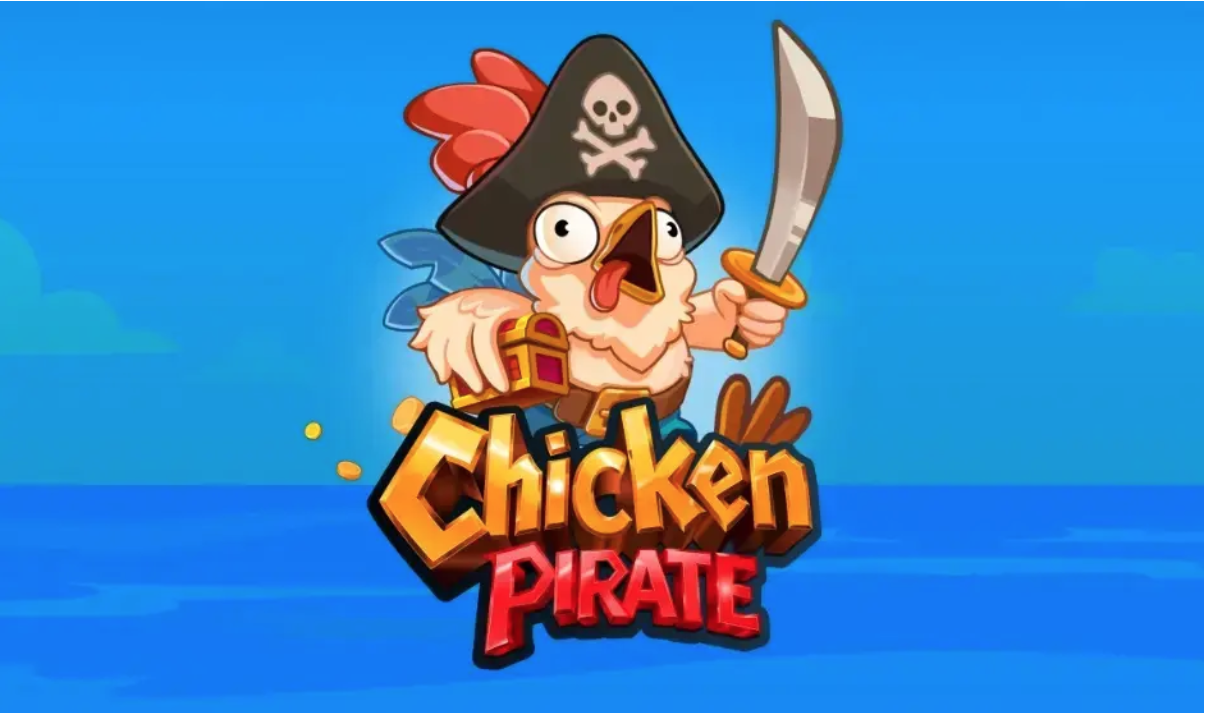
At first glance, many crash-style games appear interchangeable. A rising multiplier, a growing sense of tension, and a single moment where everything ends. Chicken Pirate slot quickly shows that it operates on a different logic. Instead of relying on passive waiting or automatic escalation, the game restructures how control, risk, and feedback interact, creating an experience that rewards judgment over reflex.
What Defines a Standard Crash-Style Game Today
Most crash-style games follow a familiar pattern. A round starts, a value increases automatically, and the player’s role is largely observational until the exit moment. While the timing of that exit matters, everything else is predetermined by the system.
Common characteristics include:
- Automatic escalation that the player cannot influence
- Minimal interaction during the round
- Limited feedback beyond win or loss
- Outcomes that often feel detached from player intent
This structure creates quick engagement, but it also flattens the experience. Once the player understands the rhythm, rounds blur together and decisions become repetitive.
Where Chicken Pirate Breaks Away From the Usual Formula
Chicken Pirate does not treat escalation as a background process. Instead, it builds tension around moments where the player must actively interpret what is happening and decide how to respond. The game shifts responsibility from the system to the player.
Rather than asking “how long will it last?”, the game asks “what do you do now?”. This reframing changes the entire dynamic of a round. The player is no longer waiting for a number to grow, but actively managing exposure to risk.
Decision Timing Versus Automatic Escalation
In traditional crash formats, timing exists within a narrow window. Players wait, watch, and exit. Chicken Pirate widens that window by introducing meaningful moments before the final decision point.
Timing becomes layered:
| Aspect | Standard Crash Games | Chicken Pirate |
| Escalation | Fully automatic | Influenced by player action |
| Decision points | Single exit moment | Multiple evaluative moments |
| Player role | Reactive | Proactive |
| Outcome perception | System-driven | Decision-driven |
Because timing is no longer isolated to one click, players are encouraged to think ahead instead of reacting at the last second.
Player Agency as a Core Mechanic
One of the clearest differences is how Chicken Pirate treats player agency. In many crash-style games, the system defines the round and the player merely chooses when to leave. Agency is limited to a single action.
Here, agency is continuous. Each decision affects how the round unfolds and how much exposure the player accepts. This creates a stronger connection between choice and outcome. Wins feel earned through judgment, and losses feel traceable to specific decisions.
That sense of responsibility increases engagement. Players are not just hoping for a favorable outcome; they are actively shaping it.
How Risk Is Communicated, Not Hidden
Another defining trait is transparency. In some crash-style games, risk is abstract. Players know a crash will happen, but not how close they are to it. This opacity can make losses feel arbitrary.
Chicken Pirate communicates risk through clear visual and mechanical cues. Changes in pace, behavior, or structure signal increasing danger. The player is not guessing blindly but reading the situation in real time.
This approach improves decision quality. When risk is visible, players can calibrate their actions instead of relying on intuition alone.
Why Losses Feel Informative Instead of Arbitrary
Losses are inevitable in any crash-style format, but how they are perceived matters. In many games, a loss feels like bad luck. The system ended the round, and the player happened to be too late.
In Chicken Pirate, losses usually carry information. Players can identify what went wrong:
- Staying exposed for too long
- Misreading a signal
- Acting too aggressively
This feedback loop turns losses into learning moments. Over time, players adjust behavior, refine timing, and develop a better sense of risk. The game rewards understanding rather than persistence alone.
Comparison of Player Experience
The experiential difference between Chicken Pirate and more traditional crash-style games becomes clear when viewed holistically.
| Experience Factor | Traditional Crash Games | Chicken Pirate |
| Engagement level | Short-term | Sustained |
| Learning curve | Shallow | Progressive |
| Sense of control | Limited | High |
| Emotional response | Win-or-loss focused | Decision-focused |
| Replay motivation | Habit-based | Improvement-based |
This structure supports longer-term interest without relying on constant novelty or visual overload.
Who Benefits Most From This Design Approach
Not every player looks for the same thing. Chicken Pirate tends to resonate with users who value control and clarity over speed and spectacle.
The design suits players who:
- Prefer understanding systems rather than memorizing patterns
- Want decisions to matter beyond a single click
- Enjoy improving through experience rather than repetition
- Are comfortable with short, intense rounds
Players seeking purely passive formats may find the game more demanding. That demand, however, is intentional and central to its appeal.
Why This Difference Becomes Clear Only With Use
Many of Chicken Pirate’s strengths do not reveal themselves immediately. On the surface, it may look similar to other crash-style games. The distinction emerges after multiple sessions, when players notice how often they are making decisions instead of waiting.
This delayed appreciation is a sign of structural depth. The game does not rely on instant novelty. Instead, it rewards continued attention and thoughtful play.
Conclusion: Chicken Pirate as an Evolution, Not a Variation
Chicken Pirate does not reinvent the crash-style format by adding complexity for its own sake. It evolves the format by redefining the player’s role. Decisions replace waiting, risk becomes readable, and outcomes feel connected to intent.
That shift explains why the game feels different once players spend time with it. It is not just another variation on a familiar idea, but a step toward decision-centric design where engagement comes from understanding, not automation.