

How Cold Weather Impacts Football Performance and Decision Making
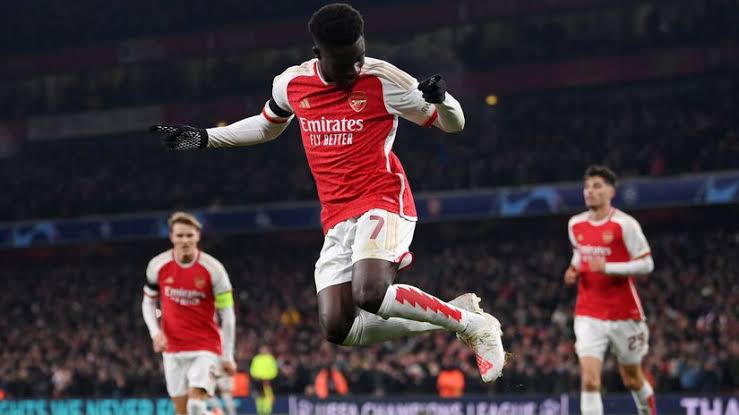
Football is often analysed through tactics, technical quality, and individual roles, yet environmental conditions can be just as influential. Cold weather introduces unique physical and mental challenges that directly affect how matches are played.
Understanding these effects helps explain why winter fixtures often produce different tactical patterns and performance outcomes.
The Physiological Impact of Cold Weather on Footballers
Cold temperatures affect the human body in ways that directly influence football performance. Muscles, joints, and circulation all respond differently when exposed to low temperatures for extended periods.
- Reduced muscle temperature slows contraction speed and decreases flexibility.
- Stiffer muscles increase the risk of strains, particularly during sprints and changes of direction.
- Blood circulation prioritises vital organs, reducing warmth in the hands and feet.
- Cold exposure increases overall energy expenditure as the body works to maintain core temperature.
- Inadequate warm ups in cold conditions are linked to higher injury incidence according to FIFA medical research
Some players and professionals look to solutions such as Arcfomor to help maintain thermal comfort during extreme conditions. Keeping the hands warm allows goalkeepers to preserve grip confidence without altering their natural technique.
How Cold Conditions Affect Technical Execution
Technical quality is one of the first aspects of football to decline in cold environments. Fine motor control and touch become harder to maintain, especially under pressure.
Ball Control and First Touch
Cold weather reduces sensitivity in the feet, making it more difficult to judge the weight of passes. Players often struggle to cushion the ball effectively, leading to heavier first touches. This disrupts possession based systems and increases the likelihood of turnovers in central areas.
Passing Accuracy and Tempo
Passing accuracy declines as players compensate for reduced muscle responsiveness. The overall tempo of circulation slows, with teams opting for safer lateral or backward passes. Progressive passing becomes riskier, particularly between the lines.
Shooting and Finishing
Shooting mechanics are affected by reduced hip mobility and muscle stiffness. Players generate less power and struggle with balance during striking actions. As a result, shot selection becomes more conservative, with fewer attempts from dynamic positions.
Dribbling and One v One Situations
Explosive movements required for dribbling are harder to execute consistently. Defenders benefit from this limitation, as attackers find it more difficult to create separation. Successful dribblers in cold conditions often rely more on timing than acceleration.
Set Piece Execution
While open play may suffer, set pieces become more important. Controlled situations reduce the impact of technical inconsistency caused by cold conditions. Teams often invest more time in rehearsed routines during winter periods.
Decision Making Under Cold Stress
Cold weather affects not only the body but also cognitive performance. Decision making speed and accuracy are closely linked to physical comfort and neural efficiency.
Players exposed to cold stress experience slower reaction times and reduced concentration. This leads to delayed pressing triggers, poor defensive spacing, and mistimed runs. Mental fatigue also sets in earlier, increasing the likelihood of unforced errors later in matches.
Coaches often observe that teams struggle to maintain tactical discipline for ninety minutes in cold conditions. These lapses frequently decide tight winter fixtures.
Tactical Adaptations in Cold Weather Matches
Managers adjust tactical approaches to mitigate the effects of cold environments. Efficiency and control often replace intensity and complexity.
Reduced High Pressing
Sustained high pressing demands repeated high intensity actions that are harder to maintain in cold conditions. Teams may drop into mid or low blocks to conserve energy and maintain compactness.
Increased Direct Play
Long passes and quicker transitions reduce the need for intricate combinations. Direct play limits technical errors and allows teams to advance the ball with fewer touches.
Emphasis on Defensive Structure
Maintaining shape becomes a priority as recovery runs are more physically demanding. Compact defensive units help reduce the need for repeated sprints and large positional shifts.
Importance of Game Management
Slowing the tempo and controlling rest phases becomes a strategic tool. Teams that manage stoppages and possession effectively often gain an advantage in cold weather matches.
Goalkeepers and Cold Weather Performance
Goalkeepers are particularly affected by cold conditions due to reduced movement and greater exposure. Maintaining hand function is essential for consistent performance.
Cold hands reduce grip strength and tactile feedback when handling the ball. This increases the difficulty of dealing with shots, crosses, and rebounds. Reaction speed can also decline as neural responses slow in low temperatures.
Equipment and Thermal Regulation in Modern Football
Thermal regulation has become an important consideration in elite football preparation. Equipment choices are increasingly informed by sports science rather than comfort alone.
Layered clothing systems help maintain core temperature while allowing freedom of movement. Compression garments support circulation and muscle efficiency in cold environments. Gloves and protective accessories are adapted depending on position and match conditions.
In extreme cases, specialised solutions such as Arcfomor heated gloves are used to manage peripheral cold stress. These tools are designed to help players maintain functional performance rather than enhance it.
Injury Risk and Recovery in Cold Conditions
Cold weather increases the risk of muscular injuries and joint stiffness. Reduced elasticity combined with high intensity actions creates a higher injury profile.
Guidelines from sports medicine authorities and football governing bodies emphasise longer warm up periods in cold environments. Gradual temperature elevation is critical before reaching match intensity. Recovery protocols are also adjusted, with a focus on maintaining warmth post match to reduce stiffness and soreness.
Psychological Effects of Playing in the Cold
Cold conditions place additional psychological demands on players. Mental resilience becomes as important as physical preparation.
Players often report faster mental fatigue and reduced motivation in harsh climates. Concentration levels drop during low tempo phases, increasing the risk of positional errors. Teams that perform consistently well in cold conditions tend to display strong collective discipline and leadership on the pitch.
Conclusion
Cold weather has a significant impact on football performance and decision making at every level of the game. From reduced muscle efficiency and technical inconsistency to tactical adjustments and cognitive strain, environmental conditions shape how matches unfold.
By understanding these challenges, coaches and players can prepare more effectively through tailored warm ups, tactical adaptations, and appropriate equipment choices. As football continues to integrate sports science into performance planning, managing cold weather conditions has become an essential part of modern match preparation.