
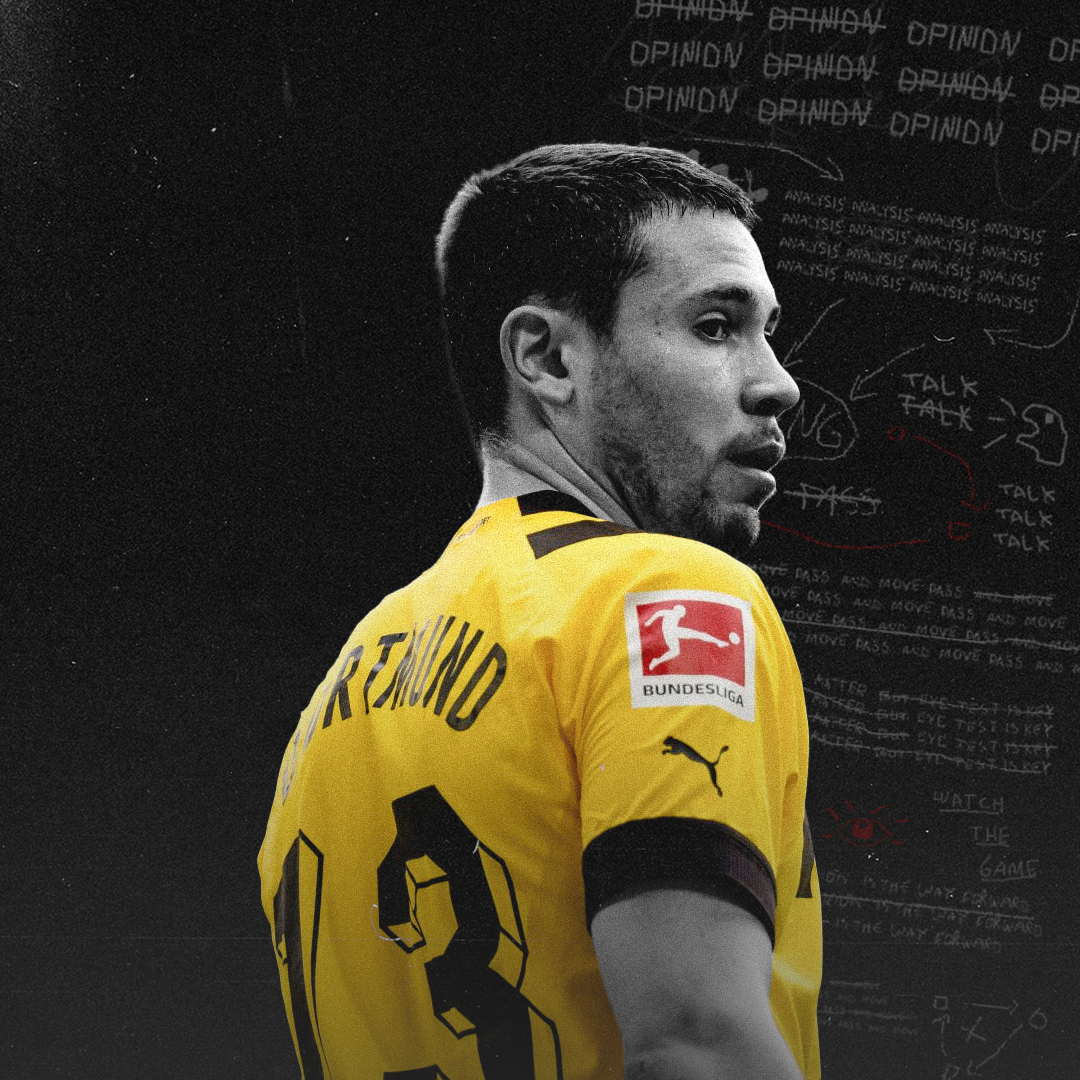
Probability vs Intuition: What Really Determines Success in Big Matches

In football, the defining moment of a big match often appears instinctive. A split-second decision, a sudden change of direction, a strike taken without hesitation. From the stands and on television, it feels emotional, almost mystical. We describe players as “big-game performers”, suggesting that intuition alone separates winners from the rest.
Yet when we step back, the picture becomes more complex. Behind every decisive goal lies a chain of probabilities: positioning, shot quality, defensive balance, fatigue levels and psychological pressure. Success is rarely accidental. More often, it is the result of managing risk better than the opponent.
This tension between probability and instinct does not belong to football alone. It defines decision-making in any competitive environment — including online casino entertainment, where understanding mechanics and odds frequently matters more than relying purely on feeling.
Why We Trust Instinct in High-Pressure Moments
Supporters tend to romanticise decisive moments. A late winner in a European tie is framed as courage. A perfectly timed through ball becomes evidence of genius. Intuition is easier to celebrate than structure.
However, elite football is built on preparation. Tactical systems are designed to increase the likelihood of specific scenarios: overloads on the flank, cut-backs from the byline, controlled transitions. What looks spontaneous is often rehearsed probability unfolding in real time.
The Architecture of Probability
Modern analysis relies on measurable indicators. Expected goals (xG), pressing efficiency, territorial control and shot selection quantify performance beyond narrative.
Managers do not eliminate uncertainty; they reshape it. They accept that randomness exists, but they narrow the margins through discipline and repetition.
Structured Risk
Every tactical decision carries exposure. A high defensive line compresses space yet leaves room behind. Aggressive pressing increases recovery chances but demands physical resilience.
The same structural logic applies in online gaming. Casino games operate within clearly defined mathematical frameworks. Understanding volatility, return-to-player percentages and payout mechanics allows players to approach entertainment strategically rather than emotionally.
Exploring casino games, betting mechanics and promotional bonuses at https://rock-star-casino.com becomes more meaningful when approached with this analytical mindset rather than pure impulse.
The Illusion of Control
Dominance in football does not guarantee victory. A team may control possession yet lose to a single efficient counterattack. Control influences probability — it does not eliminate uncertainty.
In gaming environments, a similar misconception can arise. A sequence of near wins may feel like momentum building. In reality, outcomes remain governed by independent probability systems.
Rockstar Casino online casino games and bonuses are structured around transparent mechanics and defined payout models. Recognising this structure helps players maintain perspective and avoid emotional decision-making.
Variance and Discipline
Variance explains why underdogs sometimes prevail in finals. Over one match, randomness exerts influence. Over a full season, probabilities stabilize.
Rockstar Casino slots and live casino promotions operate within comparable statistical boundaries. Short-term fluctuation is part of the design; long-term expectations remain mathematically anchored.
Understanding variance does not reduce excitement — it clarifies it.
Where Intuition Still Matters
Probability builds the foundation, but instinct still plays a role. In decisive moments, confidence and timing can influence execution. A striker’s composure in a penalty shoot-out cannot be reduced entirely to numbers.
Similarly, in digital gaming, enjoyment and engagement depend on more than calculation. Entertainment involves emotion. The key is balance: informed awareness combined with responsible participation.
Big matches remind us that success rarely belongs to instinct alone. It favours those who respect structure, manage exposure and understand the numbers beneath the spectacle.
Whether analysing a Champions League semi-final or engaging with online casino entertainment, the principle remains consistent: probability shapes outcomes; intuition colours the experience.