
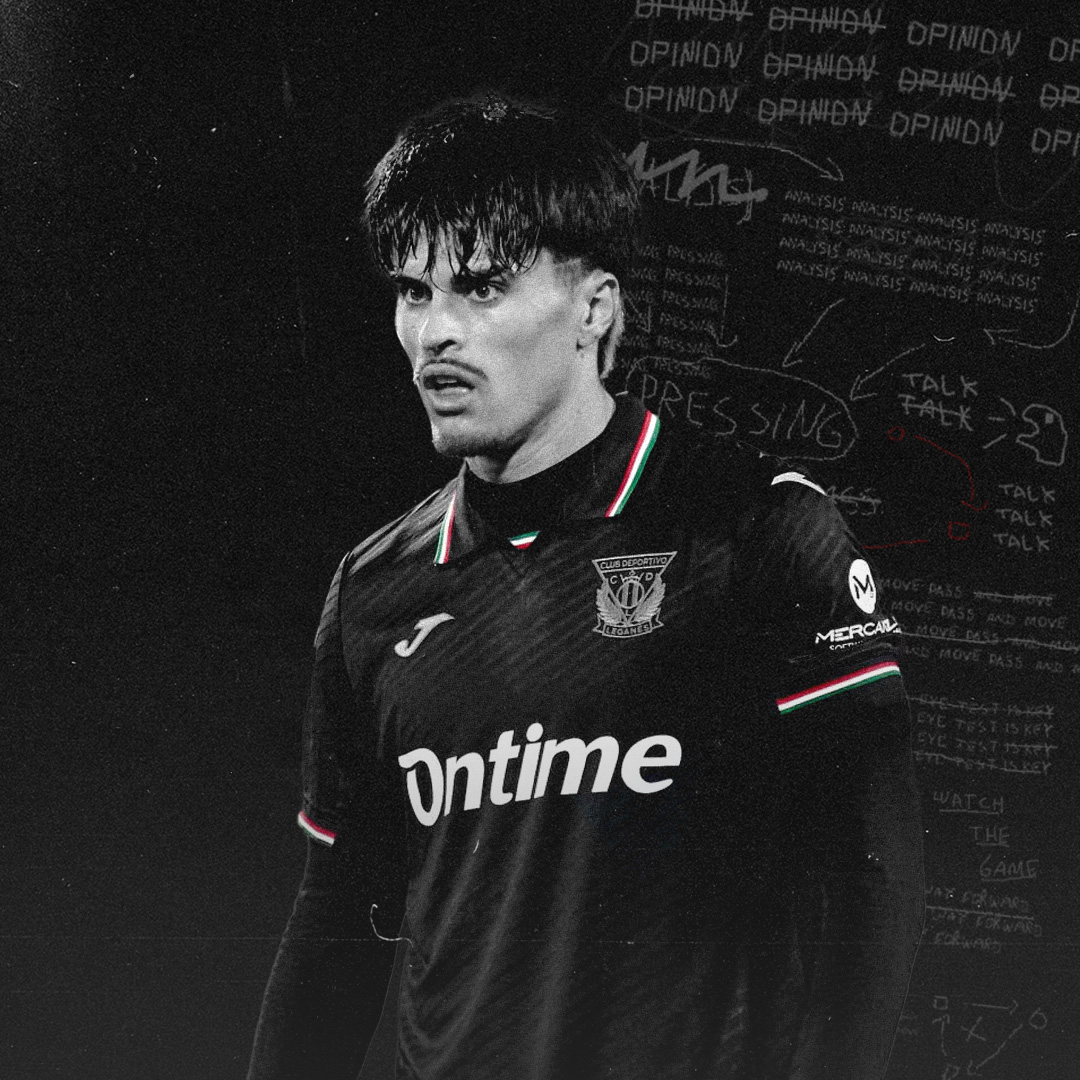
Reading the Game Differently: Tactical Trends Shaping Modern Football

The Shift Toward Tactical Intelligence
Football analysis has evolved far beyond match highlights and final scores. Today, understanding the game means studying structure, spacing, and decision-making under pressure. Platforms like BreakingTheLines.com focus on these deeper layers, exploring how tactical ideas influence player performance and team identity.
Modern teams are defined not only by talent but by systems. Pressing triggers, build-up patterns, and positional rotations reveal a manager’s philosophy. Supporters who engage with tactical analysis begin to see matches differently — noticing movements off the ball, defensive shapes, and subtle adjustments that change momentum.
Positional Play and Fluid Roles
One of the most influential trends in contemporary football is positional play. Rather than rigid formations, teams prioritize occupying specific spaces to create passing lanes and overloads. Fullbacks move into midfield, wingers drift centrally, and center-backs initiate attacks.
This fluidity demands intelligence from players. Decision-making becomes as important as technical ability. Teams that execute positional play effectively often control tempo, forcing opponents to react rather than dictate.
The process resembles iterative design in other disciplines, where ideas are tested, refined, and implemented repeatedly. In creative and technical environments, prototyping accelerates improvement — a concept that can be explored across industries if you Start learning today and examine how structured experimentation shapes outcomes.
Pressing as Collective Behavior
Pressing is no longer simply about effort; it is a coordinated strategy. Successful pressing teams use triggers — a backward pass, a poor first touch, or a player receiving with limited support. When executed collectively, pressing compresses space and generates high-value chances.
However, pressing carries risk. Poor timing exposes defensive lines and creates transition opportunities for opponents. This balance between aggression and control defines many modern tactical battles.
Understanding pressing requires context. Player fitness, match schedule, and squad depth all influence how aggressively teams can apply pressure over a season.
Data, Context, and Smarter Interpretation
Advanced metrics such as expected goals, progressive passes, and defensive actions per zone provide new ways to interpret performance. Yet numbers alone are insufficient. Context — tactical roles, opposition strength, and match state — determines meaning.
This relationship between research and real-world application appears in many sectors where innovation must adapt to local conditions. Large collaborative initiatives demonstrate how data becomes impactful only when paired with practical understanding. To explore examples of research shaping real environments, you can Get the details and see how structured insight drives measurable change.
For football analysis, the same principle applies: interpretation matters more than raw data.
Technology’s Growing Influence on Analysis
The tools used to study football continue to evolve. Video platforms, data dashboards, and tactical visualization software allow analysts to identify patterns faster than ever. These technologies help coaches prepare opponents and enable fans to engage with the sport at a deeper level.
Equally important is the digital environment supporting this work. Analysts rely on stable, secure systems capable of handling multiple tools simultaneously. For those exploring flexible operating environments designed for performance and privacy, you can Click for more about platforms built to support complex workflows.
Seeing Beyond the Ball
Modern football rewards those who look beyond individual moments. Tactical structures, collective behaviors, and contextual interpretation shape how matches unfold. BreakingTheLines.com captures this perspective, encouraging readers to view football as a dynamic system rather than a sequence of highlights.
By focusing on movement, space, and decision-making, supporters gain a richer appreciation of the sport — one where every off-ball run, pressing trigger, and positional adjustment tells part of the story.