
The Fine Line Between Solo Talent and Collective Strategy in eSports
Video games are now a major form of entertainment around the world. What began as local arcade competitions where speed and skill were the key to victory have evolved into massive eSports events.
As the audience grew, so did its connections. Matches that once drew dozens now attract millions online. 1xbet login sits inside that same networked space, linking viewers to results, statistics, and live updates in seconds. The path from player to spectator has become instant, turning analysis and prediction into part of the wider game.
Modern tournaments mix skill with strategy, numbers with instinct. Each click, each decision carries a trace of both individual brilliance and group rhythm. The spotlight still finds the standout player, yet victory often belongs to those who listen, coordinate, and react as one. The tension between these two forces shapes not only competition but also the economy built around it.
The rise of the individual
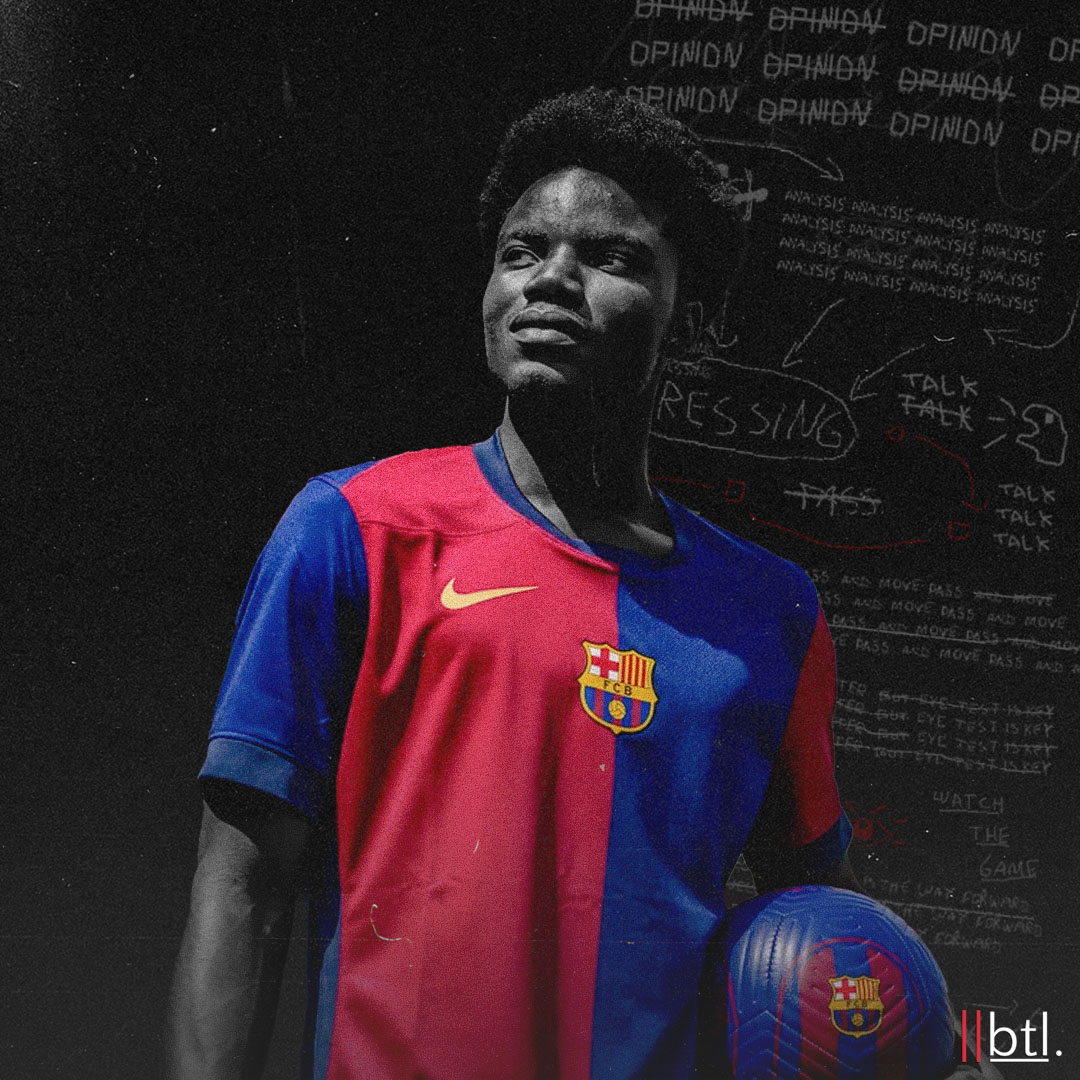
In early eSports history, solo players became icons. Titles like StarCraft or Quake turned individuals into brands. Their names carried weight equal to entire organisations. Fans learned to trust talent over teamwork. Sharp reflexes, mechanical precision, and perfect timing defined these early heroes.
Today, individual brilliance still decides moments. A sniper’s single headshot in Counter-Strike or a perfectly timed combo in League of Legends can shift momentum instantly. Solo players drive emotion and attract global followers, which in turn increases audience participation and online betting interest. Their skill becomes both entertainment and measurable data.
Individual dominance often depends on:
- Rapid reaction speed and intuitive decision-making
- Consistent accuracy under pressure
- Ability to read opponents’ strategies in seconds
Yet even the best individual performers rely on teammates to maintain rhythm and structure.
The strength of team synergy
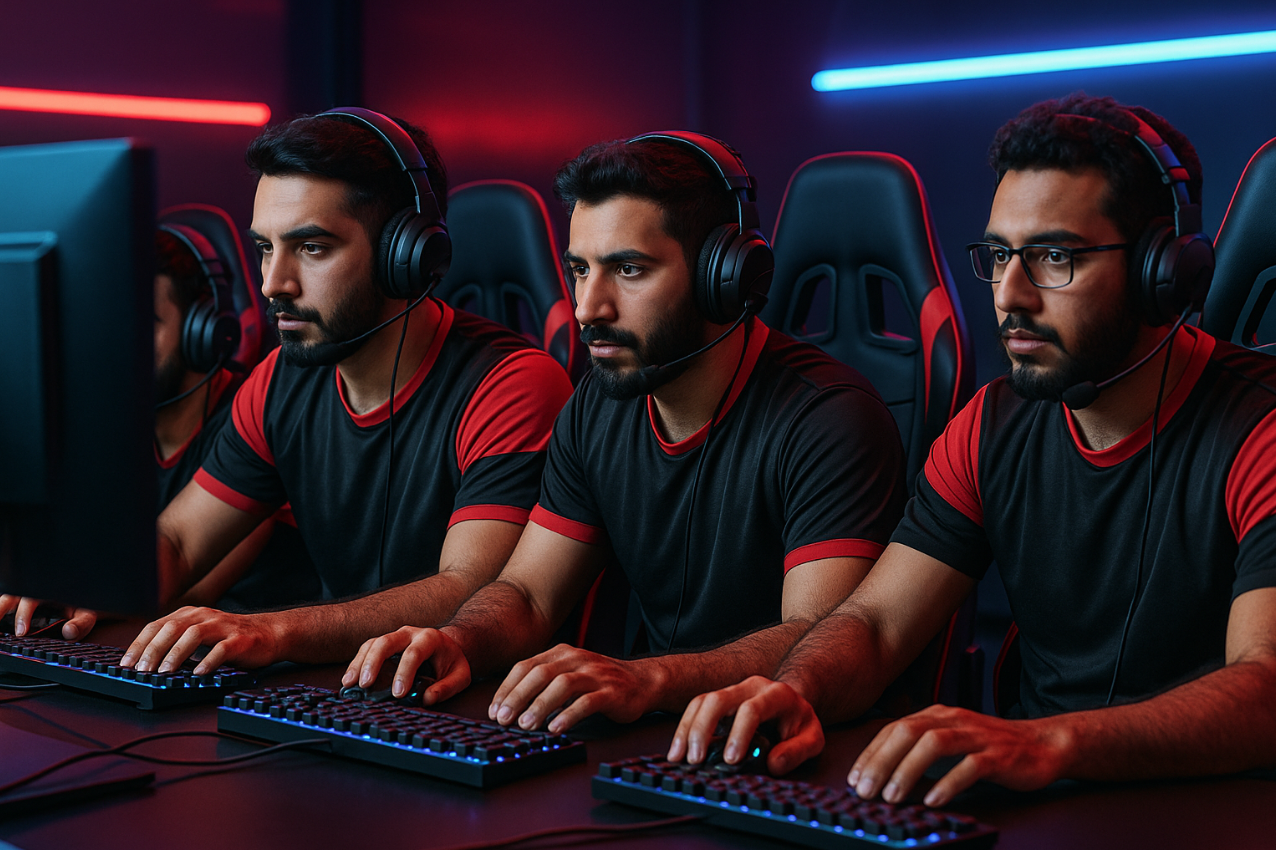
When organised gaming moved online, cooperation became the centre of success. Every major event, from Dota 2’s The International to Valorant Masters, highlights teamwork above ego. A team that communicates well can outperform stronger individual players. The invisible thread between roles – support, attacker, strategist – forms the real backbone of victory.
Team chemistry develops through long practice sessions and mutual trust. Analysts studying tournaments note that unified squads often outperform groups of stars assembled for short-term wins. This principle mirrors traditional sports, where discipline often defeats chaos.
Synergy creates value through:
- Balanced communication between roles
- Shared adaptation during live matches
- Mutual responsibility for tactical outcomes
Fans often see this coordination as art, not just play.
Technology’s role in performance analysis
The eSports environment depends on data. Analysts use performance trackers, heat maps, and reaction time studies to evaluate players. This digital precision also supports betting markets that rely on factual assessment rather than guesswork. Each click, move, and score becomes measurable information.
Betting platforms analyse these datasets to refine odds and trends. They combine machine learning with human observation to interpret form, fatigue, or momentum. In this sense, the bond between statistics and competition deepens. It turns gameplay into a field of numbers where human intuition still holds a place.
Future balance between skill and synergy
The next decade of eSports will likely continue merging both worlds. Artificial intelligence tools already simulate team strategies and measure emotional responses. Players learn not just reflexes but also timing within collective patterns. The line between individual and team performance grows thinner each year.
Some observers predict that future championships will rely on adaptive teams capable of shifting tactics mid-match through AI feedback. Others believe the magic of human instinct will always define key moments. Both forces remain essential: creativity from the individual, harmony from the team.
Modern eSports is not a clash between one and many. It is a system where data, instinct, and unity coexist. For those who follow tournaments through screens and digital dashboards, the question of balance adds depth to every prediction and every wager. Skill brings excitement, synergy brings order – together they form the true language of competition.