
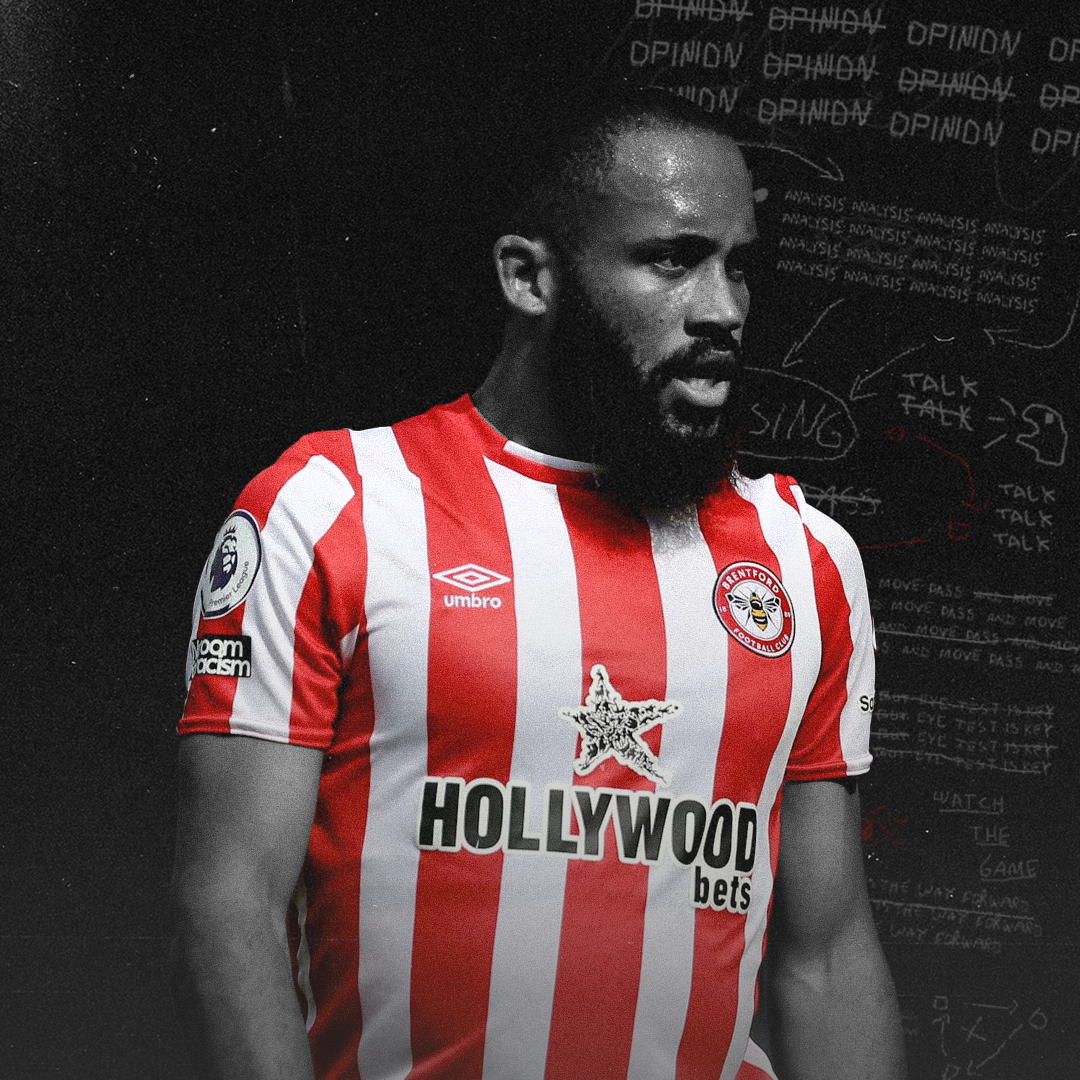
Bryan Mbeumo: The Tactical Engine Powering Manchester United’s New Attack
Bryan Mbeumo has quickly become one of Manchester United’s most influential attacking figures under manager Rúben Amorim. His role at United isn’t just about goals — it’s tactical, physical, and multifaceted, influencing how United build play, attack space, and press opponents.
1) Mbeumo’s Role in Amorim’s Tactical System
Preferred Formation: 3-4-3 / 3-4-2-1 Hybrid
Amorim has largely used a 3-4-3 system at United. In this setup:
- Mbeumo operates on the right of the front three, often between traditional wing and inside-forward roles.
- He provides vertical width, but also frequently drifts into half-spaces (i.e., the areas between full-back and midfield line), creating attacking overloads and unpredictability.
Key tactical tasks in this role:
- Stretching the Defence: Mbeumo uses his elite pace to stretch opposition lines and drag defenders wide or deeper.
- Receiving Progressive Passes: He frequently receives long and progressive passes, offering an outlet to switch play and break defensive lines.
- Combination Play: He links with inside midfielders or right wing-backs, combining quickly before penetrating the box or delivering quality end-product.
- This hybrid attacking function, neither a pure winger nor a strict inside forward, makes him harder to mark since his movements vary based on possession phase and defensive structure.
2) Movement, Space Creation & Verticality
Mbeumo’s movement profile is a major tactical weapon.
Off-the-Ball Movement
- Mbeumo leads Premier League forward runners in elite metrics for off-ball runs into threatening positions.
- His relentless motion forces opposition defenders to track him, creating space for teammates, especially central attackers like Matheus Cunha and any supporting No.10s.
Manchester United’s New Number 10: How Cunha Fits Into Amorim’s System
Ball Carrying
- He excels at progressive carries, bringing the ball forward from deeper areas into the final third.
- This ability supports Amorim’s intention to play fast offensive transitions, inviting pressure from defenders then breaking into space quickly.
In essence, Mbeumo is a space destabilizer: he doesn’t just occupy space — he creates it.
3) Ball-Receiving & Link Play
Receiving Progressive Passes
Manchester United lead the league in progressive forward passes received by Mbeumo, demonstrating his positioning and technical value:
| Statistic | Value | Context |
|---|---|---|
| Progressive forward passes received | 73 | Most in PL 25/26 |
| Switches of play received | 7 | Among top players |
| Through balls received | 4 | High for his role |
This shows that:
Manchester United’s Struggles under Ruben Amorim: A Problem of Principles or Personnel
- Mbeumo is heavily integrated into United’s direct play and transition attacks.
- Teammates trust him to receive and exploit spaces that lower-block defenses create.
4) Pressing & Defensive Contribution
Under Amorim, forward players participate in aggressive pressing immediately after losing the ball, a key tactical principle:
- Mbeumo’s work rate and pressing intensity help United regain possession high up the pitch.
- This tactic creates transitional attacking opportunities, often before the opposition can organize.
This kind of pressure isn’t just aesthetic, it disrupts opponents’ buildup and forces errors in dangerous areas.
5) Attacking Output & Statistical Impact
Mbeumo hasn’t just fit tactically; he’s delivered significant attacking contributions:
Goal Threat
- Mbeumo scores regularly and leads United in shots, shots on target, big chances, and touches inside the box.
Creative Influence
- He also leads in big chances created, key passes, and successful open-play crosses, indicating he’s not just finishing but also creating opportunities.
This dual threat, finishing and chance creation, enhances United’s unpredictability in attack.
Kobbie Mainoo: Manchester United’s English Midfield Metronome
6) Set-Piece Influence
A tactical nuance often overlooked:
- Mbeumo has taken over corners from the right, giving United a more balanced and unpredictable set-piece strategy.
This has led to:
- An increase in expected goals from set pieces.
- More dangerous deliveries into the box due to his left-foot accuracy.
- It’s a smart tactical shift that directly leverages Mbeumo’s skill set.
7) Synergy with Teammates
With Matheus Cunha
- Mbeumo’s movement and pace complement Cunha’s creative play between the lines.
- This right/left balance enhances United’s vertical play and transitional effectiveness.
Not His Players, Not His Players, Not His Players … The Hopeless Plight of Manchester United
With Bruno Fernandes
- Mbeumo’s ability to receive long passes and drive forward amplifies Fernandes’ vision, especially in combination play ahead of the striker position.
8) Tactical Limitations & Areas for Growth
Even with his impact, there are tactical challenges:
Predictability in Certain Setups
- Pairing Mbeumo with another similar wide threat (e.g., Amad Diallo) can reduce tactical variability if both occupy similar zones.
Transition Vulnerabilities
- United’s high line and Amorim’s press can be exploited on the counter if Mbeumo’s forward positioning leaves gaps behind.
- This requires balance with wing-backs and midfield cover.
Why Amad Diallo is Emerging as Manchester United’s Creative Protagonist
Decision Making Under Pressure
- In some games, his direct style leads to turnover risks in dangerous areas, a challenge in tight matches.
9) Strategic Value & Long-Term Impact
Bryan Mbeumo isn’t just another forward, he’s central to United’s tactical identity under Amorim:
Why He Matters
- He blends pace, pressing instinct, verticality, and creativity.
- His style matches modern tactical demands: transition threat, pressing intensity, spatial chaos creation.
In a rebuild phase, Mbeumo offers:
- A consistent attacking outlet.
- A tactical fulcrum United can build around.
- Versatility — wide, inside forward, or even deeper link-up positions.
Analyzing Manchester United’s Corner Kick Strategy Under Ruben Amorim
Overall Conclusion
Bryan Mbeumo has elevated Manchester United’s tactical dynamics in multiple meaningful ways:
– Provides vertical pace to stretch defenses and open channels.
-Receives a high volume of progressive passes, aiding direct play.
-Contributes both as a scorer and creator.
-Enhances pressing and transitional attacks.
-Improves set-piece structure and effectiveness.
-Synergizes with key attackers like Cunha and Fernandes.
While there are structural risks associated with his high positioning and direct style, his net tactical impact for United this season has been profoundly positive, so much that he is widely considered one of United’s most important players under Amorim’s tactical plan.
By: Xhulio Zeneli
Featured Image: @GabFoligno / Steve Bardens / Getty Images