

Upgrading Employee Commuting Benefits: How Modern Mobility Options Are Changing the Game
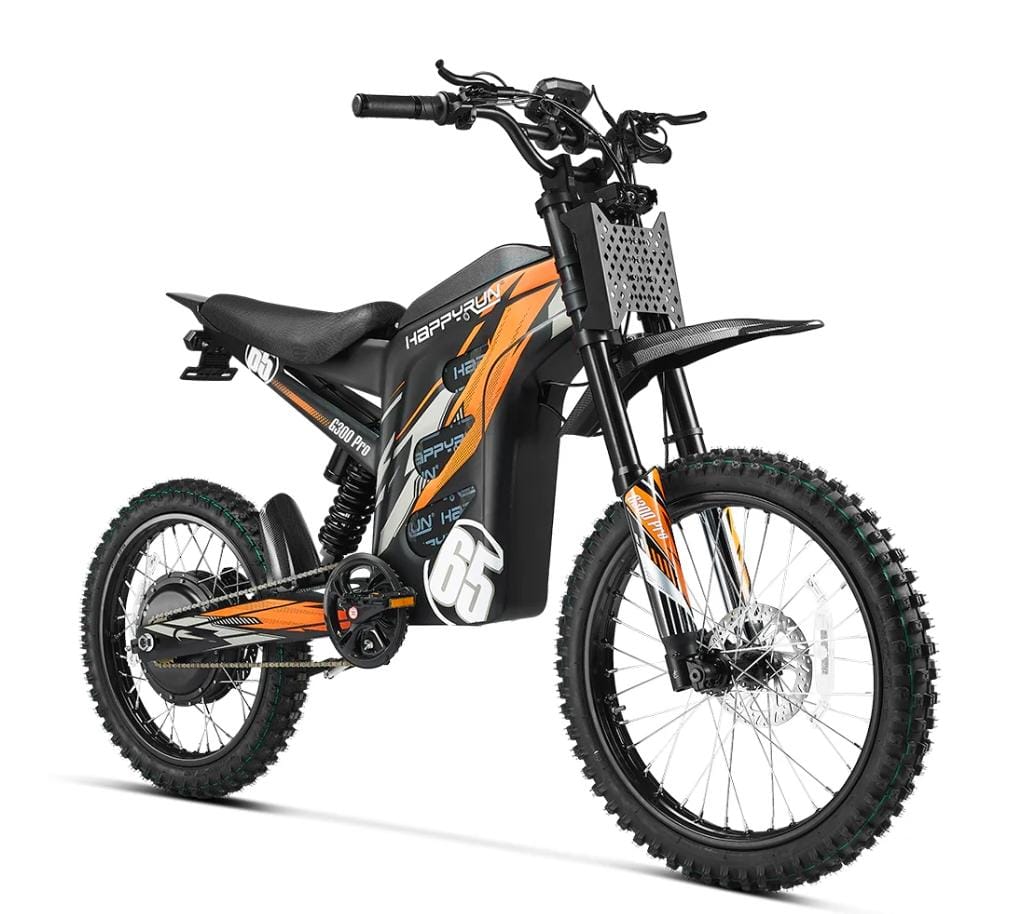
The habitual commuting has ceased to be a fact, but it appears to be a serious concern to the human resources and the staff. The rising fuel costs, the unavailability of parking space, the long commuting distance and the jamming congestion pressure on the employees strains them and influences their productivity. Such health problems as fatigue and the lack of work-life balance improve. Another problem as well is the ability of electric dirt bike to attract young talent who hold to the concepts of flexibility, sustainability, and working benefits, which are innovative to the firm. All these issues demonstrate that the HR departments need to rethink the usual commuting policies.
Trends of Employee Commuting and Mobility Programme
The recent statistics show that there are quite a number of workers who are spending over minutes commuting to work, and that is resulting in stress and absenteeism. To some degree, the remote work and the hybrid have relieved the electric dirt bike pressure, but to the majority of companies, they still need to work on-site, especially in manufacturing, logistics, and in-site work. To solve this, a number of companies are abandoning the process of subsidising individual parking spaces and are moving to more diversified benefits in the form of mobility.
The Current Times’ Mobile Solutions for the Employees
Other commuting benefits besides the more common parking subsidy that organisations can embrace include other benefits. The trendy ones are some of the following:
- Public Transportation Subsidies: Metro/bus cards, which help to make the commuting process affordable to the employees since they make it more affordable.
- E-Bikes and Shared Bikes within the Company: It is a small-distance mode of transportation that is sustainable, especially for employees who reside in urban or suburban areas.
- E-Scooters: they are small and multi-purpose and are utilised in the last-mile connectivity.
- Electric Dirt Bikes and Electric Motorcycles: This should be a replacement for the gas-powered bikes, i.e., the workers who must commute to work via the suburban or semi-rural areas can use a bike like HappyRun G300 Pro, which is an electric motorcycle.
A Relaxation Company in Diversity in Commuting
Consider one situation in which a manufacturing firm has a huge warehouse, and the workers are going to the towns. The tradition of subsidising parking has been there in the company since eternity, yet the workers had to endure long-distance and expensive fuel trips. The use of various modes of commuting, like the use of public transport cards, shared bikes, electric scooters, and electric off-road cars, would enable the workers to decide on what would most suit their lifestyle and commuting.
Designing Effective Commuting Policies
Their commuting benefits upgrade has to be undertaken by the HR departments systematically:
- Identify Employee Needs: It has to be done in the survey, or the interviews have to be conducted to determine the commuting distance and the way they use the transport, as well as the pain points.
- Policy Design: Does it contain any special reimbursement principles, allowances, or benefit levels for the different commuting options?
- Safety Education and Responsibility: certain other motorised vehicle, in the case of using electric dirt bikes, provides the lessons of the way to ride safely and discuss the topic of liability insurance.
Maintaining the Sustainability and Developing the Employee Experience
Not only can this diversified commuting allowance be conveniently availed to the employees, but there are other values it can also have. Promotion of electric motorcycle mobility, e-bikes, and electric dirt bikes would be a great avenue to reduce carbon footprint with organisations. This will reduce stress and improve the health of the employees, and make them more flexible, and the organisation will promise more on ESG.