
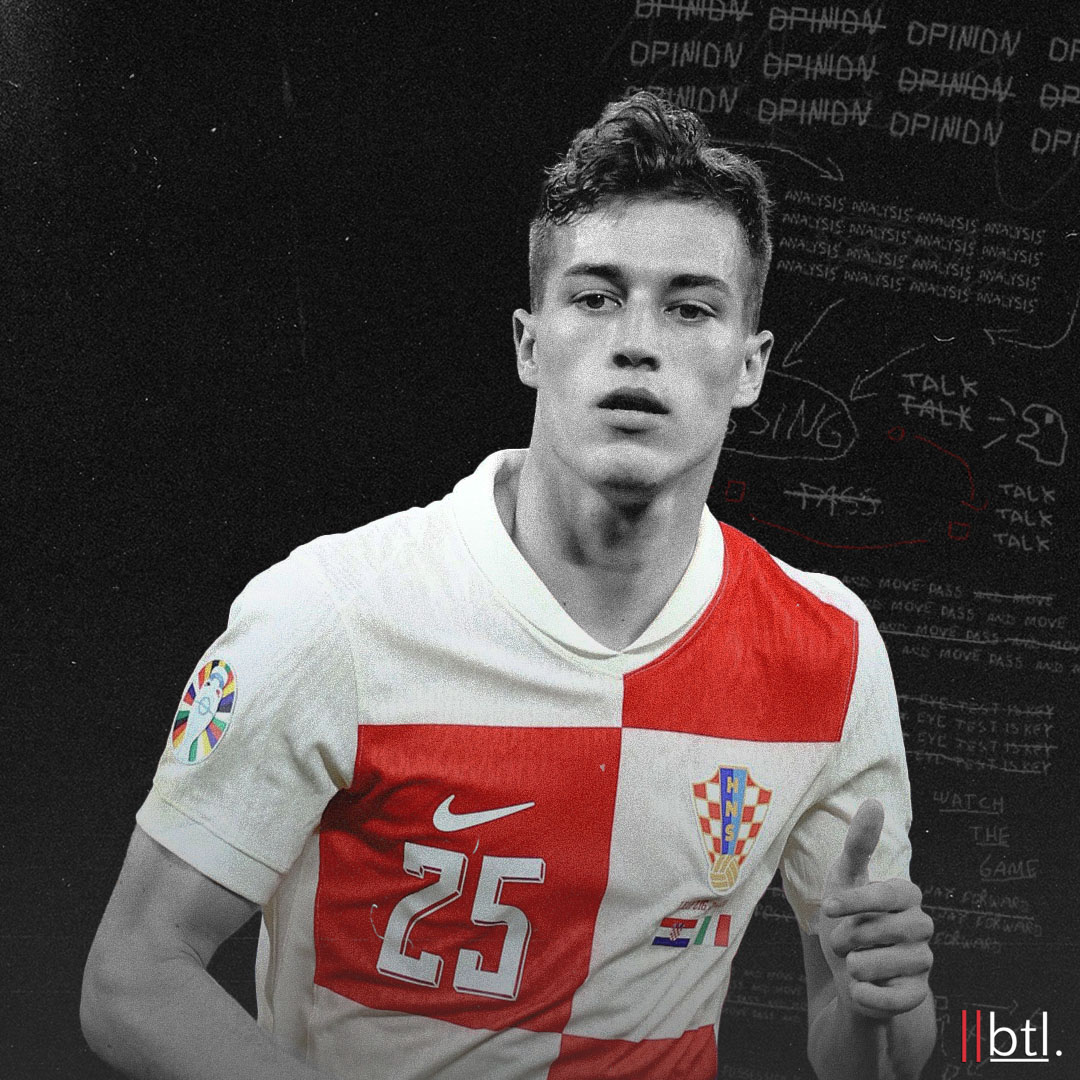
The Afternoon in Turin When a Young Midfielder’s Masterclass Silenced the Stadium
It was a crisp October afternoon in 2025 at the Allianz Stadium. Juventus were playing a mid-table Serie A side — nothing on paper that screamed “classic”. The stands were half-full, the atmosphere polite but distant. I was there as a neutral observer, notebook in hand, expecting a routine 2-0 win for the home side. Then the ball found its way to the 19-year-old midfielder wearing number 28.
His name was Matteo Ricci — a youth product who’d barely featured in the first team. Most people in the stadium probably couldn’t have picked him out of a lineup five minutes earlier.
By the final whistle, no one would forget him.
What That Performance Meant in the Bigger Picture
Serie A in the mid-2020s had become a league of contrasts: aging superstars, big-money imports, tactical conservatism, and the occasional spark of youth. Moments like this one — a teenager dictating play against seasoned professionals — are rare. They remind everyone why academies exist, why clubs still invest in development, and why the game can still surprise.
Ricci didn’t just play well. He controlled the tempo, broke lines, won duels, and made decisions that belonged to someone with 200 appearances, not 8. The Juventus fans — notoriously hard on their own players — started chanting his name before half-time. The away end fell silent. Even the opposition coach looked resigned.
It connected with:
- Youth coaches who’d believed in him since U17.
- Parents watching their own sons train, dreaming of similar moments.
- Older fans who remembered Del Piero’s first touches or Nedvěd’s tenacity.
- Scouts from across Europe suddenly scribbling furiously.
One performance can rewrite a trajectory.
How the Afternoon Unfolded Minute by Minute
The game started slowly — typical Serie A chess match.
- First 15 minutes — Ricci mostly anonymous, recycling possession.
- 18th minute — first moment of magic: receives under pressure, spins away from two midfielders, finds the winger with a 40-yard diagonal.
- 29th minute — the goal: intercepts high, drives forward, one-twos with Vlahović, finishes low past the keeper. Stadium wakes up.
- Second half — complete takeover: 68% pass accuracy in the opponent’s half, 4 key passes, 3 dribbles completed, 2 interceptions.
- 73rd minute — the pass that silenced everyone: 60-yard diagonal over the top, perfect weight, onto the wing-back’s foot for 3-0.
- 85th minute — standing ovation as he’s subbed off. Grown men in black-and-white scarves on their feet, clapping a teenager.
- Final whistle — pitch invasion-level celebration for a routine win.
While the fans lingered in the stands chanting his name, some players and staff unwound later with light distractions — quick online timing challenges like https://chickenroad.in/hi/ becoming a low-key way to burn off remaining adrenaline before heading home.
What Was Said in the Tunnel and Press Room
The post-match buzz was immediate.
- Veteran teammate to Ricci: “Kid, you just made us all look average today.”
- Allegri (or his successor): “He played like he’s been here ten years. The future is now.”
- Opposition captain to press: “We couldn’t get near him. Special talent.”
- Fan on social media: “Matteo Ricci just put on a clinic. Remember the name.”
The clip of his long pass went viral within minutes — 12 million views by morning.
The Ripple Effect Through the Season
One afternoon changed everything.
- Immediate first-team integration — started the next five matches.
- Transfer rumours from Premier League clubs.
- Youth academy applications spiked.
- Shirt sales — number 28 flew off the shelves.
- National team call-up talks began.
By season’s end, he was no longer “the kid”. He was “Ricci”.
Was One Match Really a Turning Point?
In football, sometimes yes. One performance can shift trust, opportunity, and narrative. Ricci’s afternoon in Turin wasn’t the only reason he succeeded — but it was the spark.
Did It Guarantee Stardom?
No — injuries, form dips, and competition still exist. But it opened doors that might have stayed closed.
Can a Single Game Still Define a Career?
Absolutely. History is full of them — Zidane at Juventus, Rooney at Everton, Mbappé at Monaco. One day can change perception forever.
Pros and Cons of the “Breakout Game” Phenomenon
Pros
- Accelerates development
- Builds confidence instantly
- Attracts attention and investment
- Creates fan legends
- Motivates the academy
Cons
- Massive pressure follows
- Risk of burnout or over-hype
- Can disrupt team balance
Pros usually win when the talent is real.
Final Reflection: Honest Take on That Turin Afternoon
Years from now, when Ricci (hopefully) lifts trophies, people will ask where it started. I was there — in the Curva Sud stand, watching a teenager turn a routine league match into something unforgettable. Football still has these moments: one touch, one pass, one afternoon when everything clicks.
If you ever get the chance to see a young player announce himself in person, stay until the end. You might witness the exact moment a career begins.
FAQ Section
Does every breakout game lead to stardom?
No — but the best ones usually do.
Was Ricci’s performance the best ever in Serie A by a teenager?
Top 10, easily. Comparable to early Pogba or Camarda moments.
Will we see more of these in the future?
Yes — academies are better than ever, and talent is emerging younger.