
Best USB C Charger for Fast Charging in 2026 (Complete Buying Guide)
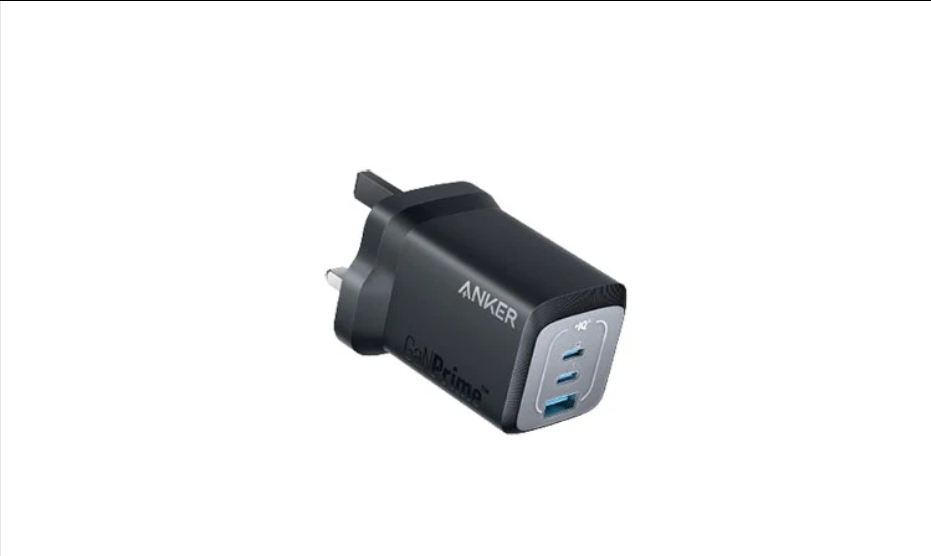
Fast charging is no longer a luxury — it’s an everyday necessity. From smartphones and tablets to ultrabooks and wireless earbuds, modern devices demand more power in less time. As charging technology continues to evolve in 2026, choosing the right adapter is essential for performance, safety, and long-term battery health.
If you are searching for the best USB C charger, this detailed buying guide will help you understand what truly matters, how fast charging works, and how to select a charger that stays reliable for years.
Why USB-C Charging Has Become the Standard
USB-C has transformed the way devices receive power. Unlike older USB standards, it supports higher wattage, faster data transfer, and a universal reversible connector. This means one cable and one charger can now power multiple devices, including:
- Android smartphones
- iPhones (newer models with USB-C support)
- Tablets and iPads
- Laptops and MacBooks
- Power banks and accessories
The shift toward USB-C is largely driven by Power Delivery (PD) technology, which allows dynamic communication between the charger and device. Instead of pushing fixed power, the charger intelligently adjusts voltage and current according to what your device safely supports.
Understanding Fast Charging in 2026
Fast charging works by increasing wattage while maintaining battery safety. Traditional chargers used to deliver 5W to 10W of power. Today’s advanced USB-C adapters can provide 30W, 45W, 65W, or even 100W.
Here’s a quick comparison:
- 20W charger: Ideal for smartphones
- 45W charger: Suitable for tablets and lightweight laptops
- 65W charger: Perfect for laptops and multi-device charging
- 100W charger: Designed for high-performance machines
A higher wattage charger does not force power into your device. Instead, your device draws only the amount it requires. This makes higher-watt chargers more versatile and future-proof.
Key Features to Look for Before Buying
Choosing the best USB C charger is not just about wattage. Several technical and safety factors determine long-term performance.
1. Power Delivery (PD) Support
Make sure the charger supports USB Power Delivery 3.0 or newer. PD ensures optimized voltage negotiation and safe fast charging.
2. Multi-Port Design
Many modern chargers offer dual or triple USB-C ports. This allows simultaneous charging of multiple devices without significant speed loss. If you travel frequently or carry multiple gadgets, a multi-port charger is practical.
3. Safety and Protection Systems
A high-quality charger should include:
- Over-voltage protection
- Over-current protection
- Temperature regulation
- Short-circuit prevention
These features protect both your device and your battery’s lifespan.
4. Build Quality and Technology
Advanced chargers now use GaN (Gallium Nitride) technology. GaN chargers are smaller, generate less heat, and deliver higher efficiency compared to traditional silicon-based chargers.
How the Right Charger Improves Battery Health
Many users underestimate the importance of a reliable charger. Poor-quality adapters can lead to:
- Slower charging speeds
- Excessive heat
- Battery degradation over time
- Inconsistent power delivery
Using a certified and well-engineered charger ensures stable voltage output. Stable charging reduces stress cycles on lithium-ion batteries, extending overall battery lifespan.
USB-C vs Traditional Chargers: What’s the Real Difference?
Older chargers (USB-A or micro-USB) operate at lower wattages and lack intelligent power negotiation. In contrast, a modern type c charger offers:
- Faster charging speeds
- Higher maximum wattage
- Universal compatibility
- Better cable durability
- Bidirectional power support in some cases
Additionally, many laptops now ship without bulky adapters, encouraging users to purchase compact, high-watt USB-C alternatives instead.
Best Wattage for Different Users
Your ideal charger depends on your device ecosystem.
For Smartphone Users
A 20W to 30W charger is sufficient for most flagship phones. It enables 0–50% charge in under 30 minutes for many models.
For Tablet and Light Laptop Users
A 45W charger offers balanced performance without being oversized.
For Professionals and Power Users
If you carry a laptop plus phone, a 65W charger is a practical single-solution option. It can charge your laptop while simultaneously powering a phone or accessory.
Multiple wattage configurations are available in a trusted Type c charger lineup to precisely meet different power requirements.
Future Trends in USB-C Charging
Charging technology continues to evolve rapidly. In 2026, several developments stand out:
Higher Power Standards
USB-C chargers now support up to 240W under the latest USB PD 3.1 specification. This opens possibilities for gaming laptops and larger devices using universal charging.
Smarter Power Allocation
Multi-port chargers can intelligently distribute power depending on which devices are connected.
Greater Global Standardization
Many countries are moving toward USB-C as a universal charging standard, reducing electronic waste and improving compatibility.
Common Buying Mistakes to Avoid
Even experienced buyers sometimes make these errors:
- Choosing the cheapest available charger
- Ignoring wattage requirements
- Buying single-port chargers when multi-port is more practical
- Using outdated cables that do not support higher wattage
Always pair your charger with a high-quality USB-C cable rated for the correct power output.
Final Thoughts
Investing in the best USB C charger is about more than speed. It is about safety, efficiency, and long-term device performance. With more devices relying on USB-C in 2026, a reliable fast charger becomes a central part of your daily tech ecosystem.
Look for proper Power Delivery support, adequate wattage, advanced protection features, and durable build quality. A well-chosen charger can serve multiple devices for years, reduce clutter, and ensure your devices power up quickly whenever you need them.
By understanding wattage requirements, compatibility standards, and safety certifications, you can confidently choose a charger that not only meets today’s needs but also remains future-ready.