

Why 6.7 Cummins DPF Mods Are Trending Among Truck Fans
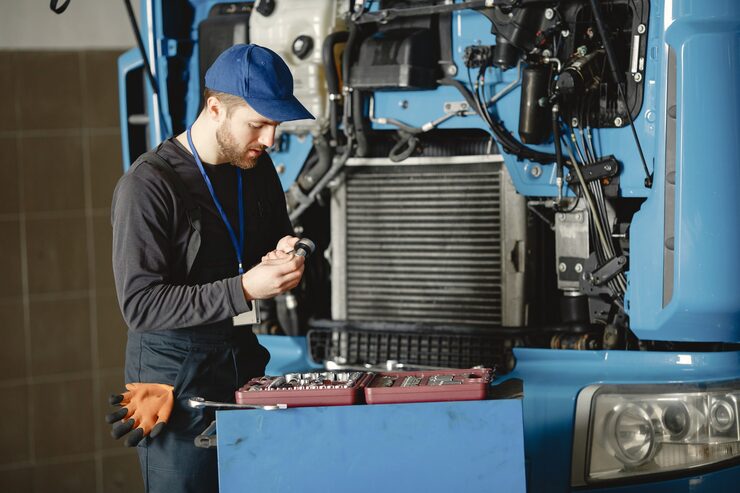
The Ram Heavy Duty equipped with the 6.7L Cummins turbo diesel has long been regarded as a gold standard for durability and towing capacity. Over the years, truck enthusiasts have praised the Cummins name for its ability to deliver reliable service well beyond 300,000 miles. However, the 6.7L engine’s character changed with the introduction of the Diesel Particulate Filter (DPF) system.
While necessary for emissions compliance, the DPF system introduced new complexities, including frequent regeneration cycles, increased fuel consumption, and costly component failures. Today, many owners are turning to aftermarket modifications to address these issues.
The 6.7 Cummins DPF delete has become one of the most talked-about modifications in the diesel community, offering a way to restore the engine’s natural efficiency and reliability. This article explores the reasons behind this trend, the associated risks, and what owners should consider before making a decision.
Reasons for 6.7 Cummins DPF Mod Popularity
Enhance Performance
The DPF creates significant exhaust restriction, forcing the engine to work harder to push gases through the filter. Removing this restriction results in substantial horsepower and torque gains. According to owner reports, a successful delete and tune typically delivers increases of 50 to 150 horsepower and 100 to 250 lb-ft of torque, transforming the driving experience.
Lower Maintenance Costs
The DPF is also costly to maintain and repair. Replacing a failed DPF can cost between $3,000 and $5,000. Regeneration cycles place additional strain on engine oil, the fuel system, and the turbocharger. By removing the DPF, owners eliminate these expensive failure points and reduce long-term maintenance costs.
Improve Fuel Efficiency
During regeneration, the engine injects additional fuel into the exhaust system to burn off soot—fuel that contributes nothing to forward propulsion. Removing regeneration cycles and reducing exhaust backpressure typically improves fuel economy by 3 to 5 miles per gallon. For owners who drive high annual mileage, this translates into significant fuel savings.
Reduce Engine Stress
Regeneration cycles generate excessive heat in the exhaust system, raising under-hood temperatures and subjecting engine components to additional stress. The DPF itself creates exhaust backpressure, which increases cylinder pressures and exhaust gas temperatures. By removing the DPF, the engine runs at lower operating temperatures and more efficiently, contributing to increased longevity.
Improve Service Life
Reduced heat stress, elimination of fuel dilution, and cleaner engine operation all contribute to longer engine life. Owners who perform a DPF delete frequently report that their 6.7L Cummins engines run more smoothly, respond more quickly to throttle input, and maintain strong performance even at high mileage.
Risks of Dodge Ram 6.7L Cummins DPF Delete
Illegal for On-Road Use
The greatest risk associated with a 6.7 Cummins DPF delete is the legal aspect. Removing or disabling emissions devices violates the federal Clean Air Act. Operating a deleted vehicle on public roads is illegal and can result in significant fines for both owners and the shops performing the modifications. Owners must fully understand this legal reality before proceeding.
Voided Warranty
A 6.7 Cummins DPF delete will void powertrain coverage if the truck is still under factory or extended warranty. Manufacturers can reject claims related to the engine, emissions system, transmission, and even related components once modifications are detected. Many owners choose to wait until their warranty expires before considering this modification.
Emission Inspection Failures
A deleted vehicle will automatically fail inspection in states or regions that require emissions testing. This can prevent owners from registering their trucks. Owners in states with strict emissions regulations have been forced to reinstall factory components or sell their vehicles to comply with local laws.
Resale Difficulties
A deleted truck may be more difficult to sell to a broad audience. Many buyers are unwilling to purchase a vehicle with emissions modifications due to legal concerns, warranty implications, or regional inspection requirements. Owners who delete their trucks may face a smaller resale market.
For those who understand these risks and still choose to proceed, quality DPF mods for 6.7 Cummins offer reliable hardware and tuning solutions intended for off-road use.
Key Considerations for 6.7L Cummins DPF Delete
Tuning Required
A 6.7 Cummins DPF delete cannot be performed with hardware alone. The ECU must be recalibrated to disable DPF-related functions, eliminate regeneration cycles, and prevent trouble codes. Tuning quality is critical for reliable operation and optimal performance. Owners should select tuners from reputable calibrators with a proven track record on the 6.7L platform.
Increased Noise
Removing the DPF results in a louder exhaust note. Some owners appreciate the deeper, more aggressive sound, while others may find the increased noise level objectionable during daily commuting. The increase in volume is most noticeable during acceleration and heavy throttle application.
Long-Term Durability
A properly executed DPF delete can enhance long-term durability when performed with high-quality components and proper installation. However, cutting corners—such as using poor-quality delete pipes or applying aggressive tuning without supporting modifications—can lead to transmission issues, turbocharger problems, or even engine failure.
Proper planning and quality components are essential.
How to Optimise Cummins 6.7L Diesel Performance
For owners pursuing a DPF delete, a comprehensive approach yields the best results. A complete delete kit typically includes a DPF delete pipe, EGR delete components, and associated hardware. Combining the delete with quality tuning is the best way to optimize fuel mapping for the new exhaust configuration.
Beyond the delete itself, supporting upgrades—such as cold air intakes, upgraded intercoolers, and transmission tuning—help manage higher power levels and enhance overall reliability.
For those seeking a complete transformation, performance upgrade kits from EGR Performance allow owners to build a cohesive system tailored to their specific driving needs, whether towing heavy loads, pursuing maximum horsepower, or optimizing for daily-driver efficiency.
Conclusion: Is it Still Worth Deleting DPF on 6.7 Cummins
Whether to delete the DPF on a 6.7L Cummins is ultimately a matter of personal priorities and circumstances. The benefits are substantial for owners who use their trucks for heavy towing, live in areas without emissions testing, and are willing to accept the legal and warranty risks. This modification transforms the 6.7L Cummins into the engine it was meant to be: running cooler, smoother, and more powerful, free from the failures associated with emissions equipment.
However, the risks may outweigh the rewards for owners still under warranty, those residing in states with strict emissions regulations, or those planning to sell their trucks in the near future. For those who choose to proceed, achieving the legendary longevity and performance of the 6.7L Cummins requires an investment in quality parts, reputable tuning, and professional installation.
As the legal landscape continues to evolve, demand for 6.7 Cummins DPF delete solutions remains strong among enthusiasts who prioritize reliability, performance, and long-term value.