
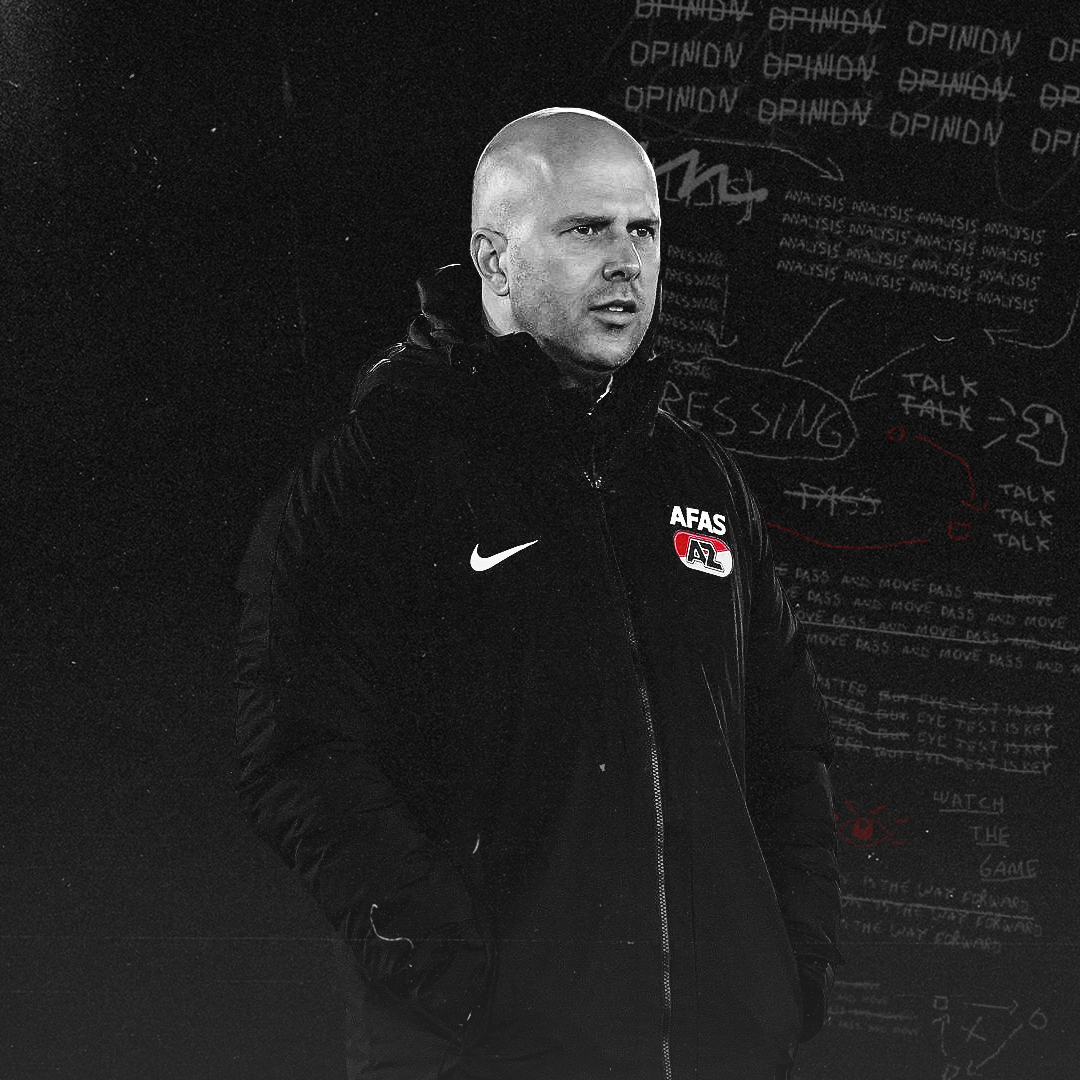
How Liverpool Can Fix Their Structural Problems This Summer
Liverpool’s decline is not about missed chances alone but a deeper loss of identity, intensity and balance that must be corrected this summer.
Liverpool’s season has unfolded in a way few anticipated. From champions to uncertainty in the space of a year, Arne Slot’s side have gone from setting the standard to searching for answers. The temptation is to point at missed chances or individual dips in form, but the deeper issues run far beyond finishing.
This is a team that has lost clarity in how it plays, and until that is addressed, no amount of short-term fixes will restore them to the level they once set.
The finishing numbers tell only part of the story
On the surface, Liverpool’s struggles in front of goal appear decisive. They have missed 55 big chances in the Premier League and over 100 across all competitions, with a conversion rate that lags behind their direct rivals.
Yet the underlying data paints a more nuanced picture. Liverpool remain broadly in line with their expected goals output and still rank among the league’s higher scorers. The issue is not simply that they are wasteful but that the quality and clarity of their attacking situations have declined, a trend also reflected in recent analysis of what has happened to Liverpool this season.
Too many chances are rushed, taken from distance or arrive without the structure that previously made them so efficient.
That inconsistency is also reflected in how Liverpool are viewed externally. William Hill currently place them at around 6/4 to secure a top-four finish, a price that captures both their underlying quality and the uncertainty surrounding their current level.
For readers looking to explore how those odds compare across the market, you can read more about the William Hill bonus on Oddspedia, where the platform outlines current football markets alongside promotions such as the Bet £10 get £40 in free bets offer and how those incentives apply across Premier League and European fixtures.
More broadly, those shifting prices reflect a side still searching for clarity in how it plays, with bookmakers balancing Liverpool’s underlying metrics against their recent inconsistency.
A team caught between identities
Under Jürgen Klopp, Liverpool were defined by verticality and aggression. Their game was built on speed, directness and relentless pressure. Under Slot, the approach has moved toward a more controlled, possession-based style, but without the same sharpness or cohesion.
The result is a hybrid that lacks conviction.
Build-up play is slower, attacking patterns are less defined and the forward line often looks disconnected. Mohamed Salah, once the focal point of Liverpool’s attacking structure, has been pushed wider and further from goal, reducing his impact in decisive areas.
At the same time, the departure of Trent Alexander-Arnold has removed a unique creative outlet.
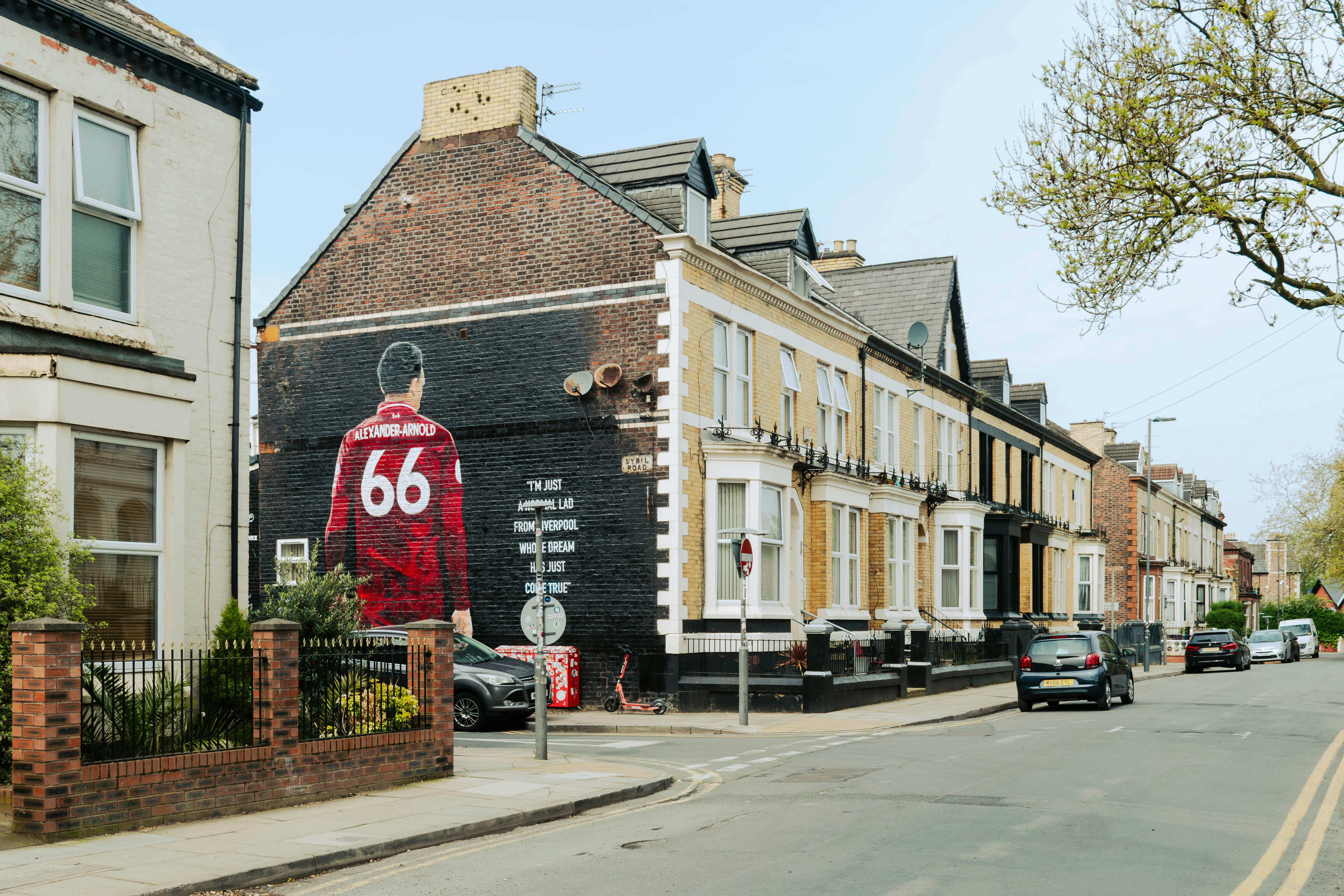
Without that deep distribution and chemistry on the right side, Liverpool’s attack has become easier to contain, even as individuals like Dominik Szoboszlai help provide an encouraging outlet.
The collapse of intensity
Perhaps the most concerning change has come without the ball.
Liverpool’s pressing identity, once the foundation of their success, has faded.
That drop-off is reflected in the numbers, with Manchester City covering 118.7km in a recent meeting compared to Liverpool’s 109.67km, underlining the gap in intensity.
That lack of intensity is also evident in how easily opponents find space and progress through midfield with far less resistance. There is a visible gap between midfield and defence that simply did not exist in previous seasons.
This is not just a tactical issue but a physical and structural one.
When Liverpool lose the ball, they no longer react with the same urgency. That delay allows opponents to transition, stretching a system that is no longer compact or aggressive enough to recover quickly.
Recruitment without balance
Liverpool’s recent transfer activity has added technical quality, but it has not consistently addressed the demands of the Premier League or the needs of the system Slot is trying to implement.
A significant outlay, reported at around £440 million, was intended to strengthen depth and elevate the ceiling of the squad. Instead, it has exposed gaps. The recruitment focus leaned heavily toward technically refined profiles such as Florian Wirtz, without fully accounting for the athletic and transitional qualities that had previously underpinned Liverpool’s success.
That imbalance has had clear on-field consequences. Liverpool lack dynamism in wide areas and have struggled to stretch opponents vertically, which in turn has made their possession slower and easier to defend. Without consistent penetration beyond the last line, attacks become predictable and congested.
The issue is not simply individual underperformance, but a mismatch between squad construction and tactical identity. Liverpool invested in control at a time when their most effective model relied on intensity, speed and directness. Until that alignment is restored, the team will continue to look caught between two ideas, capable of dominating the ball but lacking the tools to turn that control into decisive outcomes.
What Liverpool must address this summer
The solution is not a complete rebuild but a targeted correction.
Liverpool need to restore vertical threat in their attack. That means adding players who stretch defences, make runs in behind and create space for others. Without that threat, possession becomes sterile.
They must also solve the right-sided imbalance. Whether through recruitment or tactical adjustment, replacing the creative influence lost in recent seasons is essential.
Equally important is a return to intensity. The midfield must regain its ability to press, cover ground and protect the defensive line. Without that foundation, no attacking improvement will be sustainable.
Finally, recruitment must become more role-specific. Rather than accumulating talent, Liverpool need players who fit clearly defined functions within the system they want to build.
A summer that defines the next phase
Liverpool’s challenge is not simply to improve results but to rediscover a clear identity.
They have drifted into a space between styles, between ideas and between phases of a squad cycle. The task this summer is to bring those elements back into alignment.
If they succeed, the drop-off of this season will look like a temporary deviation. If they do not, it risks becoming something more lasting, a gradual step away from the level they once made look routine.