

How Stablecoins Help Track Monthly Expenses
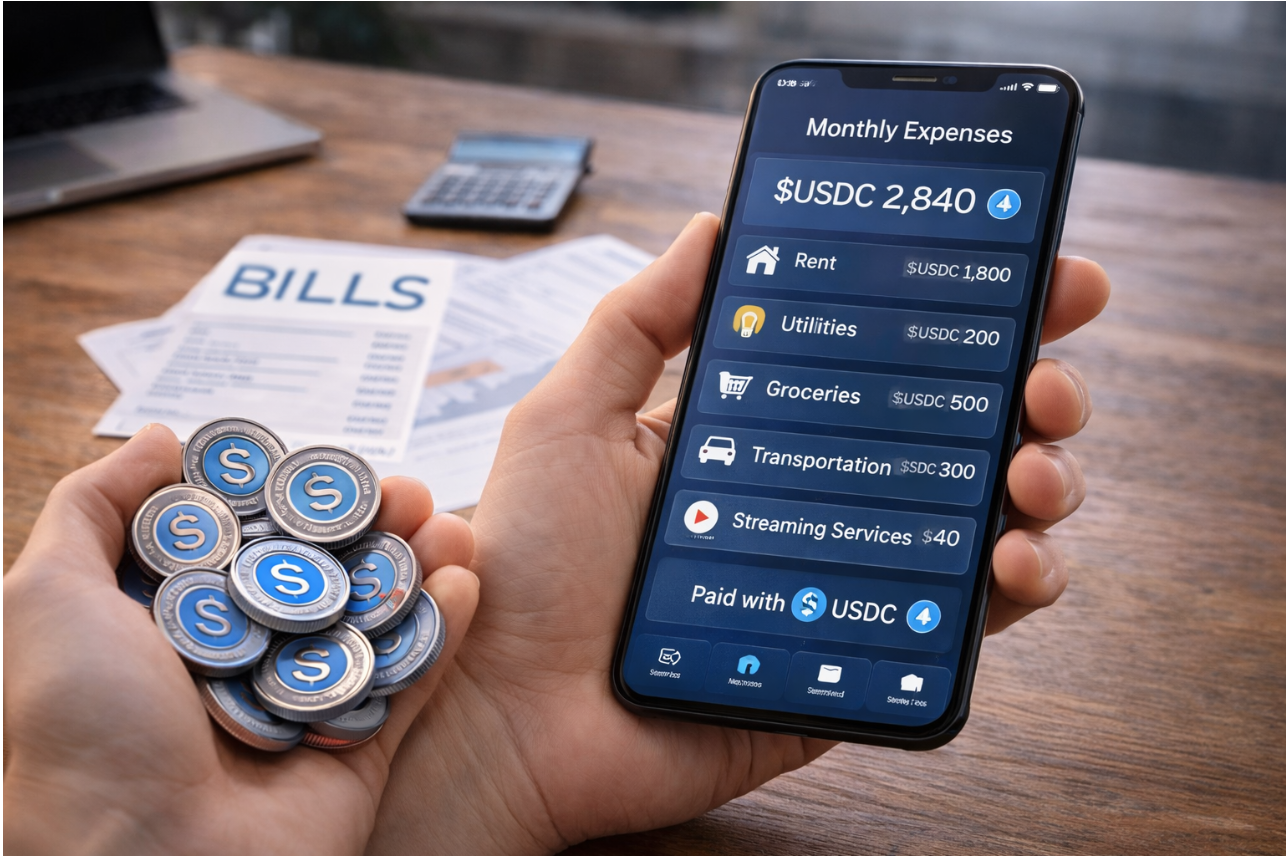
Every month feels harder when digital money moves so fast. Bills, rideshares, streaming – their costs jump around with exchange rates and service charges. Clear prices? That is what some now find in stablecoins. These tokens copy fiat values but run on decentralized ledgers instead.
Some money apps mix budget features with cryptocurrency storage these days. Within similar systems, gaming sites like the 1xBet app reveal how tech enables quick payments and balance monitoring. Since stablecoins clear quickly while sidestepping market swings, they slide right into this flow. When cash holds its worth steady each month, organizing expenses feels smoother.
Over ten trillion dollars moved through stablecoins worldwide. Much of it wasn’t trading noise – real purchases made up a big chunk. Firms started sending cash to freelancers abroad using these digital coins. Handling international bills got simpler because of them. Money that follows code is becoming more common by the day.
Digital Stability in Daily Money Matters
Tied to something steady like the US dollar, stablecoins keep their worth more predictable. Because of that backing, they dodge wild jumps seen in most crypto coins. When bills come due – apartment payments, utilities, or online memberships – people can plan easier without guessing at sudden changes.
Three benefits stand out when people try it. Some find tasks take less time. Others see fewer mistakes happen. A few appreciate how smoothly things run:
- predictable value across weeks and months
- low transfer fees compared with traditional banking
- fast settlement without waiting for clearing cycles
Predictable expenses stay predictable when money does not wobble. Holding 1,200 pounds each month becomes possible if value stays flat. Sudden dips due to shifting exchange rates? Those fade out. Money sits still, so plans do not break.
Handling Regular Payments and Subscription Plans
Month by month, money moves without a second thought. Subscriptions for shows, files in the sky, travel cards – each takes its cut on schedule. Digital coins that hold value step neatly into these repeating cycles. Payments roll forward, silent, set.
Wallets hook up to subscriptions on plenty of online services today. Out in tech spaces tied to sports stats apps, companies show off payment systems that make putting money into accounts and checking records easier. With budgeting tools, stablecoins work much like those setups. Every expense shows up instantly because the record stays open for anyone to see.
Most freelancers work with overseas clients, so payments come from different countries. Because of that, moving money across borders gets simpler with stablecoins. Earnings stay steady when held in these digital forms instead of shifting between currencies. That means less value disappears before actual use.
Corporate Use and Wider Adoption
Firms of scale have turned their attention to stablecoins when handling cash reserves. Throughout 2025, major payment firms quietly tested these digital tools behind closed doors. Their goal? Speeding up transactions while unlocking money previously tied up.
What pushes people to adopt? Main reasons show up here:
- transparency of blockchain records
- programmable payment conditions
- compatibility with decentralised finance tools
More than four out of ten company leaders say they’ll adopt stable digital money soon – Deloitte’s research shows it might happen within twenty-four months. Confidence grows because these tools seem to make daily tasks smoother.
Risks and Practical Considerations
Even when things seem steady, knowing about hidden weaknesses matters. Because stablecoins rely heavily on how solid their backup funds are, trust isn’t automatic. Oversight by regulators shapes part of that safety net too. Without clear audits now and then, confidence fades fast.
Online money watchers see big sites like 1xbet app using open number reports to gain user confidence. Instead of hiding details, they show results plainly. Behind stablecoins, companies do something alike – releasing proof of what backs their cash. Because rules are tight, surprises stay rare. Value holds steady when oversight stays sharp.
Folks often overlook safety until it’s too late. Keys that unlock access must live somewhere safe – think locked drawers, not sticky notes. On top of that, using extra checks like physical devices or login codes builds stronger shields. When done right, sneaky withdrawals just won’t go through.
Looking Ahead
One day, handling a monthly budget could mean mixing regular bank accounts with digital currency systems. People want things clear, fast, working as expected. Because stablecoins change less in price and cost less to move, they fit right into that picture.
Slowly but surely, clearer rules begin to steer how things grow. Across Europe and Asia, governments keep working on systems to manage digital money. When guidelines settle down, more people might start using them fast. Paychecks, monthly rent, even grocery runs – stablecoins slip into these moments without fuss. Rules firm up. Habits shift.
Month by month, knowing where money goes builds trust. Fixed-value coins make that possible because every move shows up clearly. People now lean into digital tools for handling cash, slowly but steady. When payments keep changing shape online, these coins could become the base for everyday planning.