

How professional racing contributes to the development of technology
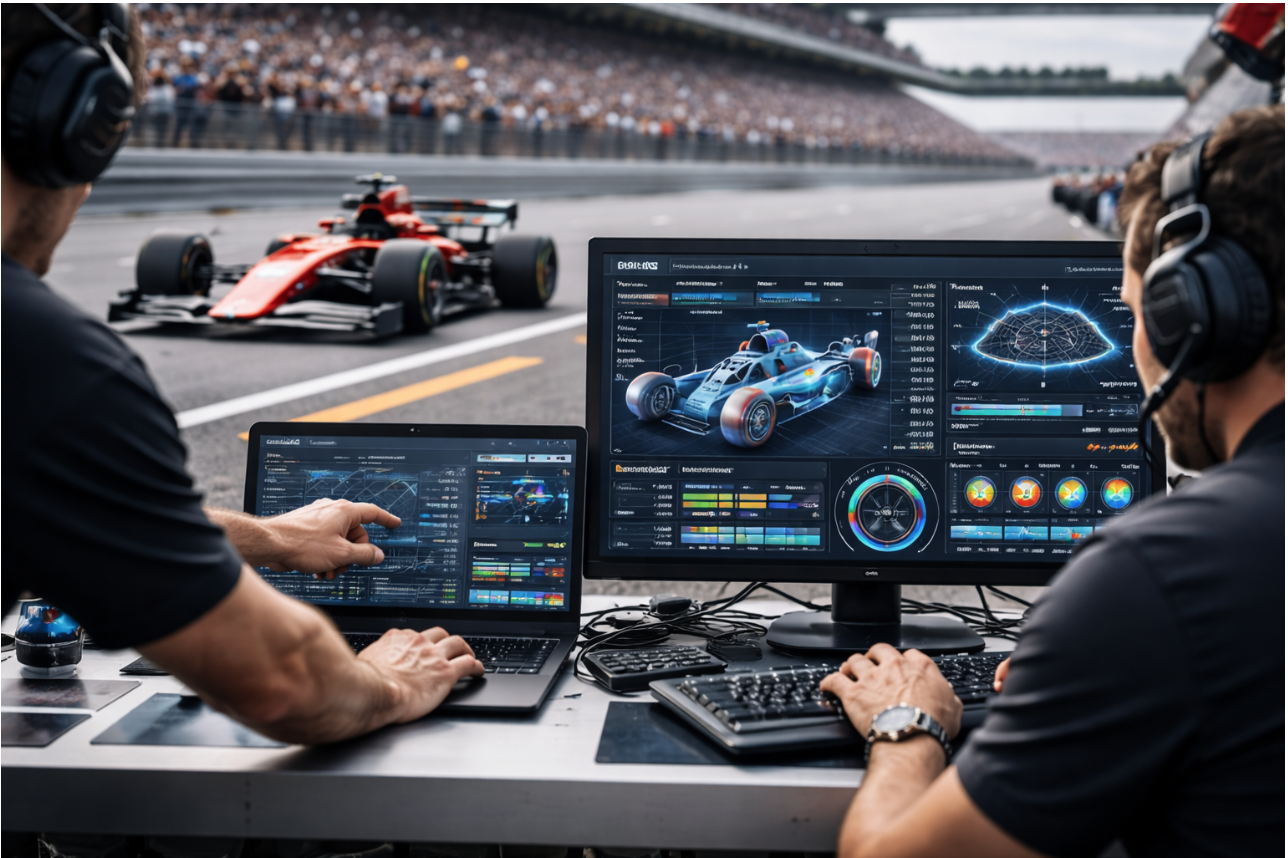
Faster laps push materials beyond normal boundaries. Out there on the track, designs face brutal conditions most cars never see. Because failures show up fast under such strain, fixes follow close behind. From that intensity comes knowledge used far beyond race weekends. Tough demands of competition sharpen everything from engines to tires.
Nowhere is change more visible than in how races connect to online spaces. Live stats pop up just as fast as bets get placed. So top up your 1xbet account in Bosaso on big race days. Behind it all, money movement, real-time car data, and video streams depend on tight tech coordination. Not just engines evolve – digital layers keep pace too. With bigger crowds tuning in, tools shift right along.
Every year, global motorsport pulls in more than five billion dollars. Money moves fast toward better airflow designs, new substances, then smarter data tools. Some ideas show up at top racing levels long before ordinary buyers see them. When race meets tech, results can be weighed, tracked, seen.
Aerodynamics Meets New Materials
Faster laps begin with how air moves around a car. Instead of guessing, teams rely on wind tunnels to see what happens. Often, small changes make big differences over time. Computers model airflow before any part is built. What works in racing eventually shows up on regular cars. Efficiency gains start where speed matters most.
Out of speed trials come slim, strong mixes. Though built light, carbon parts hold firm under stress. These days you spot them in luxury street machines – electric models too. Pushed by track demands, new stuff shows up faster.
Data Analytics and Telemetry
Fresh off each circuit pass, today’s racing machines log countless measurements. Right after a sensor checks the tyre grip, it tracks how hot the motor runs. Because numbers stream nonstop, crews tweak their moves on the fly.
Out there past the racetrack, numbers shape decisions more often than you’d think. Cars rolling off assembly lines carry smart sensors that never stop watching. Places where people follow games or place bets lean heavily on live feeds – systems like those tied to 1xbet move at the same pace. When information flows right, machines respond better, risks shrink. Speed meets control when data pulls everything together.
Safety Engineering
From race tracks come many rules meant to keep car travelers safe. When crashes happen, parts of a vehicle soak up force – this helps lower chances someone gets hurt. Helmets now do better at shielding heads because scientists tested them where speed matters most. Stronger seat belts and cages around drivers? Those started as fixes on circuits too.
Key safety innovations include:
- impact-absorbing composite frames
- fire-resistant materials in driver cabins
- advanced braking systems with rapid response
Few years down the line, regular cars get these upgrades too. Because of racing, safety ideas are tried out first on track.
Hybrid and Electric Powertrains
Faster laps now come not just from fuel, but stored electricity. When tires scrub speed, machines grab that chaos, turn it into current. Under floodlights and pressure, specialists tweak cells to last longer, deliver sharper bursts.
Now showing up in everyday hybrid cars, tech once used only in top-tier race events has made the shift. Platforms like those tied to the 1xbet application follow comparable logic when boosting responsiveness. Driven by motorsport demands, companies accelerate how they handle power use efficiently.
Digital Worlds Meet Fan Connection
Faster signals link what happens on the course to screens everywhere. Right now, data streams shape how races appear on television along with odds updates. Without delay, information moves from car to fan through strong network links.
Fast payments keep racing deals running, just like 1xbet shows when tech meets track action. Global excitement around motorsport pushes online systems to grow without delay. When live streams improve, so do money tools behind the scenes – each step shaped by demand.
Out front, high-level simulations steer how vehicles come together today. Digital versions of cars go through their paces first, long before any track testing begins. Odds you see in racing bets – like the ones on 1xbet – often grow out of models that mirror these engineering tools. What holds it all up? Trustworthy data, sharp details, nothing left fuzzy.
Broader Industry Impact
Faster laps shape how regular cars look. Because racing pushes limits, new brake ideas show up on city streets. When suspensions get tuned for tracks, those tweaks later help family vehicles ride smoother. Fuel systems evolve through competition, then spread widely. Tough track demands teach builders what lasts, so daily drivers gain strength from raceborn fixes.
Faster changes in racing speed up how quickly new tech is built. Because teams must win now, they try riskier ideas more often. This rush ends up helping car makers everywhere.
What happens on the track isn’t just about winning races. Under pressure that can be tracked and tested, new ideas come to life at full speed. Because of these challenges, airflow designs get smarter. Safety gear improves while vehicles use less power. Tech links inside cars grow sharper due to constant testing. Progress shows up fastest where performance is pushed hardest.
When more people around the world get drawn into motorsport, tech links between racing and everyday life will grow stronger. Lessons tested at high speed often show up later in cars we drive daily. Electric transport might borrow ideas shaped under pressure on circuits. Digital tools used by drivers could influence how software works beyond the track. Progress made during races tends to ripple outward slowly. What begins as split-second fixes may become common years later. Speed changes everything – even things that seem unrelated. The push to win fuels quiet breakthroughs elsewhere too.