
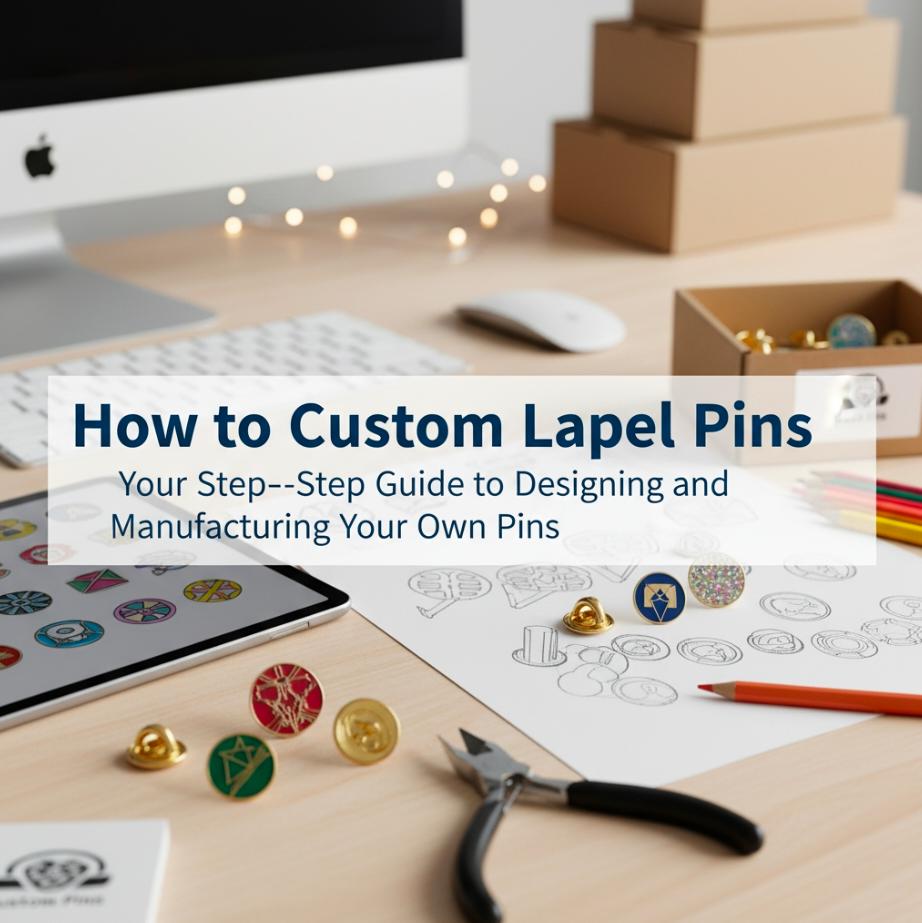
How to custom lapel pins
The Creation Process
Custom pins require deliberate process, collaboration and a fine focus on details. Every phase influences the ultimate standard of excellence, so we meticulously schedule, source quality components and collaborate hand in hand with designers and customers to nail the vision. Here’s an overview of the main steps:
1.Conceptualization
Pin creation begins by brainstorming concepts that highlight a brand or individual style. Rough sketching of images can help form those early thoughts and permit fast iteration. Feedback from others, like peers or focus groups, polishes the idea and confirms that it resonates with the target audience. Consider what the pin is primarily used for – events, team gifts, collectibles. These decisions assist direct the appear and feel.
2. Material Selection
Select materials defines the design and durability of the pin. Soft enamel, textured and colorful, fits whimsical or intricate illustrations. Hard enamel leaves a flat, glossy finish and is more suited for slick, polished aesthetics. Some makers choose eco-conscious metals for healthier brands. Choosing the appropriate material makes a difference in terms of both texture and cost. For those who desire to make pins in the home, implements such as a Dremel cutoff wheel are applicable, but it requires patience to measure up to commercial quality.
3. Design Refinement
Digital design software assists to develop intricate designs. Iterating the design using client input is essential to achieving a good result. The design has to cooperate with the material, because not everything transfers the same. Every pin’s art must be specified sizes, colors and placements prior to the next step. This avoids expensive errors once you begin producing.
4. Production
Transforming a design into a tangible pin takes molds and tons of pressure — literally, up to 5 tons to stamp the image. For enamel pins, the digital file becomes a mold, which then gets filled/finished. Hard enamel and soft enamel require different approaches. Hard enamel is polished flat, and soft enamel has raised metal edges. It can be as involved as electroplating, coating with metal by ion bombardment. A single pin might take 7 minutes to make, but a bunch can take 30. Collaborating with artisans and problem back-ups keep quality elevated.
5. Final Touches
Completed pins are subjected to quality control to detect defects and ensure compliance with the ordered specifications. Additional processes, such as coatings or unique backings, enhance the tactile experience and utility of the pin. Pin packing, just being thoughtful, makes the unboxing experience more fun for the buyers. Transparent maintenance suggestions assist individuals maintain their pins looking dandy for a long time.
Effective Design Principles
Custom pins design requires strategic consideration of how every detail influences the ultimate aesthetic and utility. Underlying design principles that allow brands to pop and pins to perform well in various environments. Every decision, from color to size, factors into how the pin commands attention and conveys a message.
Simplicity
Because simple is usually best, particularly on something small like custom pins. Clean lines, unshadowed shapes, and few details all help to keep the message crystal clear. When you concentrate on one or two things, the pin’s reason for existing remains at the forefront. Over-designed graphics can muddle folks and obscure the core message. Try the designs out with a focus group to know if the message is getting across. If a few can’t figure it out, it’s either too cluttered or ambiguous. Don’t use fine grids or sharp corners, which can cause uneven color fill or peeling during production.
Color Theory
Color selections can influence the emotional tone of a pin and its brand messaging. Employ 3-5 colours to maintain visual interest without overloading the reader. Good color contrast makes key features pop and the pin more attention-grabbing. Experiment with various palettes and notice which elicit affirming responses from your audience. Be mindful of the cultural significance of colors—red, to use an example, stands for luck in some regions and danger in others. This is important for pins intended for international audiences.
Readability
Text and logos have to remain readable at any size. Select fonts that are legible at a glance, even from far away, and steer clear of overly decorative or delicate fonts. Minimum metal line thickness 0.2mm, colour fill areas no smaller than 0.3mm to ensure detail stays crisp and production easy. Use small words and make them all to the point so the message is easy to catch fast. Always view your designs in varying light to ensure that nothing gets lost in its shadows or glare!
Sizing
Choose a size suitable to the use and location of the pin. The majority of custom lapel pins are 0.75 – 2 inches (approximately 2 – 5 cm) in diameter. Clothes or bag pins must remain under 5 cm to preserve their lightness and wearability. Mockups let you visualize how your pin appears in real life. Cutouts need special care: for 1–2mm thick pins, holes must be at least 1.5mm wide; for 3mm thick, holes need to be over 2.5mm. Use vector-based design software.
Material Deep Dive
Custom pins come in so many different materials — all with their own appearance, texture and advantages. From metals and enamels to mixes that provide both style and durability, the ideal material can alter how a pin withstands everyday use and how it aligns with your design objectives. Here’s a deconstruction of typical materials, characteristics, price influence and how they function for various projects.
| Material | Properties | Benefits | Typical Uses | Cost Impact |
| Soft Enamel | Textured, colored | Affordable, versatile | Promo, collectibles | Low |
| Hard Enamel | Smooth, polished | Durable, premium look | Gifts, branding | Moderate |
| Die Struck | Metal-only, classic | Timeless, robust | Awards, events | Moderate-High |
| 3D Mold | Sculpted, dimensional | Unique, detailed | Custom, art pins | High |
Material selection is everything for wear and appearance. Metals such as iron, brass or zinc provide strength and enamel finishes enable bold Pantone matched colors. It turns out that your material choice influences cost, production time, and even what kind of pin backing works best.
Soft Enamel
| Feature | Details |
| Texture | Raised metal, recessed colored enamel |
| Look | Textured, bright colors, defined lines |
| Popular Uses | Promo, event giveaways, affordable collectibles |
| Pros | Cost-effective, flexible design, fast to make |
Soft enamel pins are widely loved for their affordability and design freedom. They utilize raised metal borders with colored enamel in the recessed portions, providing a tactile, visually appealing effect. These pins are great for giveaways, team swag or inexpensive collectibles. To maintain their good looks, store them dry and don’t be rough — the raised lines do wear down.
Hard Enamel
Hard enamel pins provide a polished, glass-like finish that is flush with the metal lines. This provides them with that slick, premium appearance that pops. Hard enamel is far less likely to scratch or fade, so these pins make a great gifting or everyday option. Use pantone colors for precise color matching and the hard enamel process is ideal to support fine details and complex vector graphics. As opposed to soft enamel, the enamel is layered on and polished smooth, which is more time-consuming but yields a firm, enduring finish.
Die Struck
Die struck pins are 100% metal, without any color fill. This timeless style uses raised and recessed surfaces to form a pattern. The end product is a pin that is substantial to the touch and polished in appearance. Die struck pins are commonly selected for awards, commemorations, or when a brand requires a classic, subtle choice. They age well, resist tarnish, and serve designs that depend on texture and shape more than color.
Avoiding Common Pitfalls
Custom pin projects can run into trouble if steps are missed or treated too quickly. A lot of problems begin during the sketch phase, but some obvious steps can assist anyone in sidestepping errors and achieving superior outcomes. Below are common mistakes and ways to avoid them:
Not limiting colors: Using more than four colors in a design makes it look crowded. Limit to 4 or fewer colors for neatness and ease of production.
Overcomplicating the design: Too many small elements or fine lines can blur or disappear once produced. Plain shapes with nice, clean edges apply best for such tiny items as pins.
Ignoring pin size: Lapel pins usually range from 1 to 3 inches wide or tall. Choose a size that suits the pin’s function, so it pops without drowning.
Choosing the wrong metal: Not all metals fit every design or budget. Dual plating (mixing two metals) provides a unique aesthetic but can increase the cost. Do your metal match to the design and cost goals.
Poor communication with pin pin manufacturers: Gaps in information or unclear messages lead to delays and errors. Share mockups, color codes, size specs in writing. So never hesitate to inquire if something isn’t clear.
Skipping cost outlines: Not knowing the full price upfront can risk surprise fees. Request a complete quote, with shipping and options, in advance.
Not checking past work: A reliable manufacturer should show real samples from the past six months. This step aids product quality and style control.
Missing quality checks: Inspect every order before shipping. Identifying defects early saves money and stress.
Ignoring color psychology: Each color can trigger certain moods or actions. Like blue tends to feel calm, red grabs attention. Select colors that complement the pin’s message or brand.
Strategic advance digging prevents these errors. Budget and time frame should be clearly established. Check the pin’s design, size, and colors with both team members and the manufacturer prior to initiating full production. It simply works out better and creates less headaches.
Beyond the Pin
A custom pin is more than art. How it tastes, sails, and exhibits can alter they utilize it or gather it. These additional touches craft the complete experience for attendees, collectors or visitors.
Backings
l Butterfly clutch: Secure and easy to wear, common for daily use
l Rubber clutch: Gentle on fabric, good for casual wear and backpacks
l Magnetic: No holes needed, safe for delicate materials
l Safety pin: Larger, sturdy, often used for big pins or badges
l Screw back: Offers top security, used for important or valuable pins
l Deluxe clutch: Metal, holds tighter, suits premium pins or gifts
A well-designed backing can prevent pins from becoming lost or damaged. Magnetic and rubber options safeguard clothes, while screw backs provide assurance at trade shows or corporate occasions. Not all backings fit all pins—bulky pins require powerful backings, but tiny pins can often get away with mere butterfly clutch.
The usage counts, as well. For employee acknowledgment, a stronger or upscale background sounds appropriate. Collectors might desire screw backs to keep precious pins secure on display boards. For baseball caps or jackets, rubber clutches are less apt to catch. Always demonstrate to customers how to properly affix pins and to inspect backings for deterioration. Just some good care tips to make your pins last.
Packaging
l Use heavy card stock or boxes so it doesn’t bend in shipping!
l Add custom artwork or branding for a unique feel
l Include a clear window to show off the pin
l Choose compact shapes that fit standard mailing sizes
l Add a note or card for a personal touch
Green packaging, such as paper wraps or recycled cartons, can attract environmentally-conscious consumers. It slashes waste — essential for global brands. Cool packaging—like backcards with a theme or reusable tins—can transform a tiny enamel pin into a present or collector’s treasure. Branded sleeves or inserts act as marketing, with logos or messages that customers take away.
Presentation
Pin exhibits pack a punch at trade shows or e-stores. Posters allow them to view scenes and unique characteristics, such as rotating components or glowing accents. Pegs or palettes do the trick for stores or bazaars. Great set ups attract attention, make pins convenient and collections secure.
Smart presentation raises perceived value as well. Clear boards, good lighting and neat layouts make pins look high-end. On the web, crisp images count. Utilize close-ups, photos with pins on hats or bags, and emphasize details such as finish or interactive elements. They help customers perceive quality and increase sales.
Real-World Impact
Custom pins have become the savvy branding tool for brands, groups and individuals who want to make a real-world impact. Many brands deploy these tiny objects in nifty ways. Take, for instance, international tech companies that provide bespoke pins to employees who achieve significant objectives or complete challenging tasks. These pins, which are often imprinted with the year or milestone, aren’t just decorative on a shirt or bag. They help make the moment and feel proud. Employees feel seen, and it’s a little but powerful way to say thanks. At team meetings or annual get-togethers, distributing a personalized pin makes the day memorable and leaves a lasting impression.
Custom pins can unite as well. When a company hands out pins for completing a significant project or a 5-year milestone, it makes us all feel like a team. Pins can celebrate collective victories, and when we all wear the same one, it means we fit in. In our melting pot of a city, pins that celebrate cultural or ideological diversity can express inclusiveness and make all feel welcome. A few companies create rainbow pins for Pride Month or distribute pins spotlighting other causes. These little tokens create a sense of inclusion.
Awareness raising is another huge thing custom pins can accomplish. Nonprofits and event groups pin to spread the word. That plain pin can represent something much bigger, like backing medical science or a day of activism. Pins are simple to see because they adorn bags or jackets or hats. One pin on someone’s coat can reach hundreds a day. Such prominence ensures the message is seen by more individuals, be it a social cause or a business ethos.
Custom pin projects are more impactful than many realize. Every pin posted, posted up or pinned on is an opportunity to demonstrate allegiance, foster brand loyalty, ignite discussion. Brands and people who wear pins thoughtfully discover new ways to engage, commemorate and evolve with their community.