
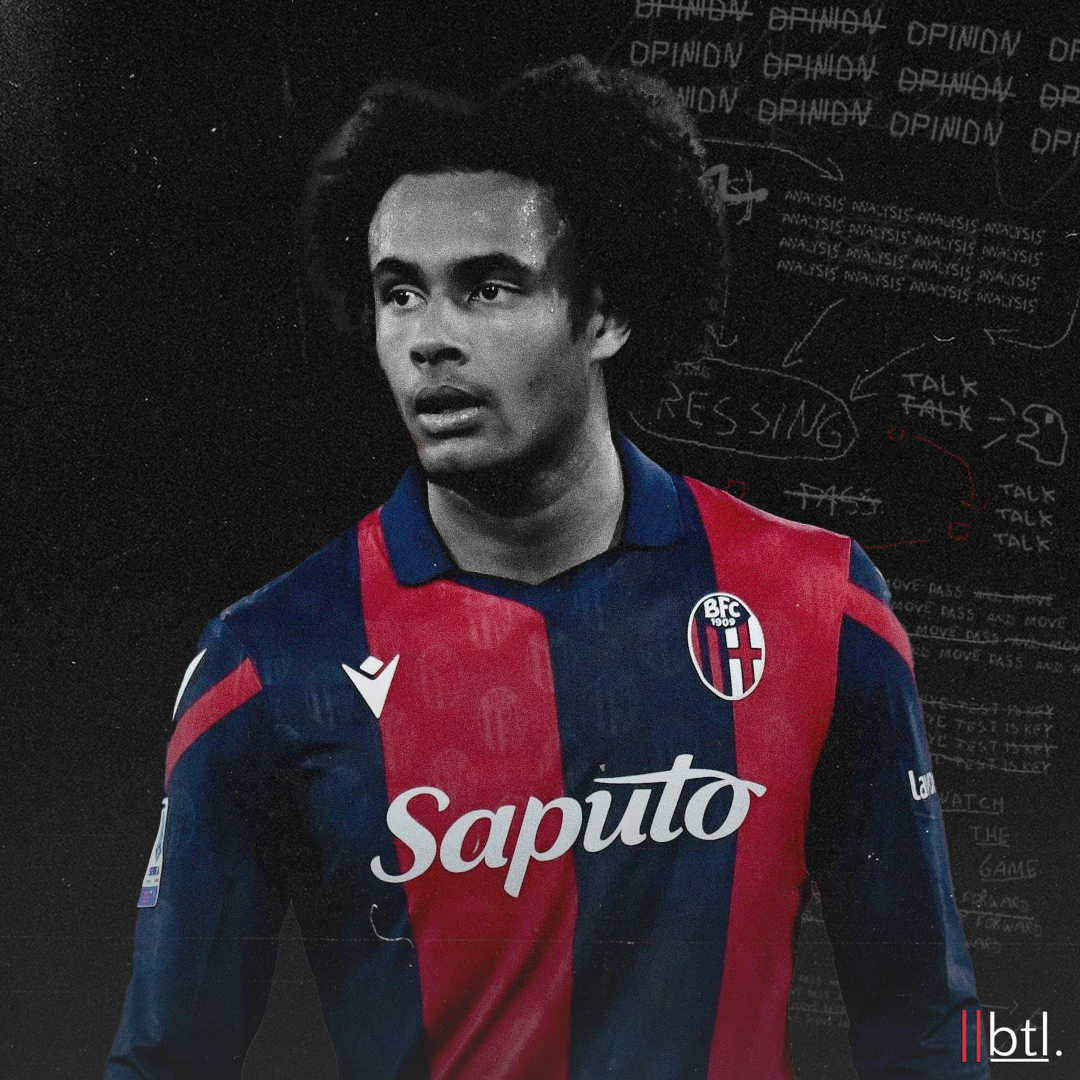
The Evolution of Football Viewing: How Real-Time Stats are Changing the Fan Experience in Africa
The way we consume football has fundamentally changed. Gone are the days when watching a match meant simply sitting in front of a television for 90 minutes, waiting for the commentators to provide updates on possession or shots on target. Today, the modern football fan is an active participant in the game, armed with a smartphone and an insatiable appetite for data. This shift is happening globally, but nowhere is the transformation more pronounced—and more impactful—than across the African continent, particularly in football-obsessed nations like Nigeria.
The rise of second-screen viewing has created a new ecosystem around the beautiful game. Fans are no longer satisfied with just the visual spectacle; they want to understand the mechanics behind it. They want to see player heat maps, track expected goals (xG), and analyze passing networks in real time. This demand for deeper engagement is reshaping not only how fans interact with the sport but also how platforms and broadcasters deliver content to them.
The Rise of the Second Screen
In the past decade, smartphone penetration in Africa has skyrocketed. According to recent telecommunications data, millions of fans now have access to high-speed internet and affordable mobile devices. This technological leap has given birth to the “second screen” phenomenon. While the main screen (the television or a communal viewing center screen) displays the live action, the second screen (the mobile phone) provides a constant stream of supplementary information.
During a typical Premier League or Champions League weekend, social media platforms, live score applications, and analytical websites see massive spikes in traffic. Fans are debating tactical substitutions, questioning refereeing decisions based on instant replays, and sharing statistical breakdowns of player performances. The conversation has moved from the local pub to the global digital village.
This evolution is driven by a desire for a more immersive experience. A fan watching Victor Osimhen lead the line for Napoli doesn’t just want to see him score; they want to know his sprint speed, his positioning relative to the opposition’s defensive line, and how many times he has successfully pressed the center-backs. This level of detail, once reserved for professional coaches and scouts, is now available to anyone with an internet connection.
Data Democratization and the Analytical Fan
The democratization of football data is perhaps the most significant development in modern sports consumption. Companies that previously sold data exclusively to professional clubs are now creating consumer-facing products. Expected goals (xG), a metric that was considered highly niche just a few years ago, is now a standard talking point in post-match discussions among everyday fans.
This analytical approach has changed the narrative around player evaluation. A midfielder might not register an assist or a goal, but if their “progressive passes” and “key interceptions” metrics are high, the modern fan recognizes their contribution. This deeper understanding fosters a more nuanced appreciation of the game, elevating the discourse from purely emotional reactions to objective, data-driven analysis.
In Nigeria, where football is practically a religion, this analytical shift is particularly evident. The passion for the game remains as intense as ever, but it is now coupled with a sophisticated understanding of tactics and statistics. Fans are not just supporting their favorite teams; they are analyzing them, predicting outcomes, and engaging in complex debates about formations and managerial decisions.
The Integration of Information Platforms
As fans demand more data, the platforms that serve them have had to evolve. It is no longer enough to simply provide a final score or a basic match report. Modern sports platforms must aggregate a vast amount of information, from live commentary and injury updates to deep statistical analysis and historical trends.
This is where the ecosystem becomes interconnected. Fans seek out platforms that can provide a comprehensive overview of the sporting landscape. They want to know the context surrounding a match before it begins, track the data as it unfolds, and read the analytical breakdowns after the final whistle.
In this highly competitive digital space, platforms that offer integrated, reliable, and user-friendly experiences are the ones that capture the audience’s attention. For instance, when fans are looking for a complete picture of the sports entertainment ecosystem, they often turn to dedicated review and information hubs. Platforms like BetReviews247 have noted a significant uptick in users seeking services that offer integrated live-tracking features alongside traditional match coverage, reflecting the growing demand for a holistic sports consumption experience.
The Impact on Local Football Culture
While the focus is often on major European leagues, the data revolution is also impacting local football culture. The Nigerian Professional Football League (NPFL) and other domestic competitions are beginning to embrace digital platforms to connect with fans. By providing better access to match data, player statistics, and live updates, local leagues can tap into the same analytical mindset that drives engagement with international football.
This presents a massive opportunity for the growth of the domestic game. If fans can analyze a local derby with the same level of statistical depth as a Champions League final, their emotional investment in the local league will inevitably deepen. The challenge for domestic football administrators is to build the digital infrastructure necessary to provide this level of detail.
Looking Ahead: The Future of Football Consumption
The evolution of football viewing is far from over. As technology continues to advance, the fan experience will become even more immersive. We are already seeing the early stages of augmented reality (AR) and virtual reality (VR) being integrated into sports broadcasting. In the future, fans might be able to overlay real-time player statistics onto their screens simply by pointing their phones at the television.
Furthermore, the integration of artificial intelligence (AI) will allow for even more sophisticated predictive models and personalized content delivery. Fans will receive customized statistical breakdowns based on their specific interests, whether that’s tracking the performance of a particular player or analyzing the tactical nuances of a specific team.
What remains constant, however, is the passion that drives this evolution. The desire to understand the game, to debate its intricacies, and to feel connected to the action on the pitch is what fuels the demand for more data and better platforms. For the modern African football fan, the second screen is no longer a distraction; it is an essential tool for experiencing the beautiful game in all its complex, data-driven glory.
The shift from passive viewing to active, analytical engagement represents a new era for football fandom. As platforms continue to innovate and data becomes even more accessible, the relationship between the fan and the sport will only grow stronger, more informed, and more deeply connected than ever before.