
The Greatest Clubs to Ever Get Relegated
Relegation is possibly one of the most painful experiences a football fan can go through, apart from being a Manchester United fan of course. With the newfound wealth of super clubs, fans of Europe’s biggest sides might think their teams are insulated from such a horrible eventuality.
However, Manchester United this last season, Chelsea before them, and Tottenham Hotspur this season showed how managerial go rounds and haywire recruitment can bring even the biggest sides close to losing their top flight status. So, in preparation for the next biggest relegation in Europe, which I think might be coming very soon, let’s take a look at some giants of the past who found themselves playing second tier football and see if we can learn from their mistakes.
We start with one of the most decorated sides in Europe, AC Milan, who in the 70s were a far cry from the club we know today. After winning two European Cup titles during the 60s, the Rossoneri were chasing their tenth Scudetto title so they could finally sew a star on their jerseys above their crest. Juventus had already gotten theirs during the 50s and more importantly, Inter had received their first stella in 1966.
In their pursuit of the elusive tenth Scudetto, Milan started the decade strongly but found success only in cup competitions, winning three Coppa Italia and a cup winners cup in a very controversial final against Leeds United before losing out in the UEFA Cup semifinals against Tottenham, who went on to win the 1972 edition. See? It has happened before. In the league, they finished second three years in a row and their much desired title came only in 1979.
Gianni Rivera, their best player at the time, and the person who led the team on the pitch chose this triumph as a good occasion to hang up his boots and the club’s fortunes started to decline. Their decline was not so much gradual, as it was brisk and heavily enforced. In 1980 the Totonero scandal rocked Italian football, with seven clubs across Serie A and Serie B involved in matchfixing. The operation started with two owners of a Rome restaurant where Lazio players used to dine, Alvaro Trinca and Massimo Cruciani.
Sadly for them, they weren’t very good at match-fixing and somehow ended up making a loss of over US$400,000 in today’s money. Desperate, they admitted their crimes to the police on the 1st of March 1980 and on the 23rd Italian authorities arrested 13 players alongside Milan president Felice Colombo just as the final whistle sounded on that day’s matches.
Despite winning the subsequent Serie B campaign, the relegation had hurt Milan and they went straight back down. In 1983 they returned to Italy’s top flight and managed to stay there, despite their ever larger financial issues. The club’s sorry state paved the way for bunga bunga enthusiast Silvio Berlusconi’s takeover of the club in 1986, and Milan’s resurgence in the 90s and 2000s.
What’s the Best Football Team for Each Letter of the Alphabet?
Around 25 years later another scandal rocked Italian football. This time Milan were only implicated and another giant bore the brunt of the punishment, Juventus. Despite people categorizing Calciopoli as a match-fixing scandal, no matches were actually fixed. The main sporting issue of the scandal were the connections between club executives and refereeing organizations with the aim of securing favourable referee appointments for specific games.
In contrast to Totanero, Calciopoli came during an age of increasing media scrutiny of football and the news of the scandal spread like wildfire within Italy and more importantly abroad. The judgement was swift and in only two months Juventus lost the 2005 Scudetto and were demoted to last place in the 2006 edition, giving the title to Inter, their first since 1989. Milan escaped this scandal despite being implicated but Lazio and Fiorentina were to be relegated alongside Juve, with the ruling later toned down to a points deduction.
Several prison sentences were handed out to club executives, though hardly anyone served actual prison time and once the statute of limitations kicked in those sentences were dropped. Funnily enough, just like last time a scandal rocked Italian football, the Italian national team somehow got better. After Totonero they won the 1982 world cup and in 2006 the new tradition was upheld. Eight Juventus players took to the pitch in the Olympiastadion in Berlin, five for Italy and three for France.
Despite this, Juventus would still have to deal with life in Serie B for the 2006-07 season and with the loss of Lilian Thuram, Zlatan Ibrahimovic and future Ballon d’Or winner Fabio Cannavaro. Luckily for them Alessandro del Piero, Gianluigi Buffon, David Trezeguet, and Pavel Nedvěd remained loyal and the relegation gave young players like Giorgio Chiellini and Claudio Marchisio a first team chance.
Turkish Football Authorities Have Something to Say about Women’s Bodies
This helped Juventus win the Serie B title that season, despite starting with a points deduction and by 2012, Juve were back on top of Italian football, kickstarting an unprecedented run of nine straight league titles. The club, however, still feels wronged by the harsh decision and still considers the two lost Scudetti to be rightfully theirs.
Since the first two relegations were enforced and therefore pedants might argue weren’t caused by on the pitch issues, we move on to the highest profile one, Manchester United. Although the club should have been relegated this season simply because they allowed Spurs to win a trophy United has still gone through the whole post-Sir AlexFerguson era relatively insulated from any calamities.
Back in the 70s, such mismanagement landed you in the second tier. In a tale eerily similar to the current day, the departure of a legendary manager alongside the club’s best ever players sent United into a never-ending spiral. In 1968 United became the first ever English club to win the European Cup, they had Matt Busby aka 1960s Ferguson at the helm and three Ballon d’or winners on the pitch, Bobby Charlton, Denis Law and George Best. Busby’s retirement in 1969 however, hit the club like an Eastern European grandma wielding a wooden spoon.
Busby, much like Ferguson had named his preferred successor but had to come out of retirement in 1971 to save the club from relegation. Two managers later and without the holy trinity of Best, Charlton, and Law, United were relegated in 1974. What made it especially painful was that part of the relegation was a loss to Manchester City where former club legend Law scored against United.
The relegation didn’t spell the end for the club, like many rivals were hoping but instead offered a much needed reset. They came straight back up the next season and in 1977 defeated arch rivals Liverpool in the final of the FA cup. However despite a marked improvement and big name signings like Bobby Robson, United wouldn’t become dominant again until Ferguson joined the club.
Back in the 1950s, even though back then Liverpool weren’t the giant they are today, they were still considered one of the best teams in England with five League titles. They were chasing an FA Cup title at the time, which had eluded them so far, when they reached the 1950 final against Arsenal. It seemed like a good chance to turn their fortunes around, since mid table finishes had been the norm since they won the 1947 league title. However, their 2-0 defeat to Arsenal spelled the beginning of a rotten time during the club’s history.
During the next four years, Liverpool slipped further and further down the table until, in 1954 they finished dead last, breaking 50 years of continuous top flight football. Life in the second tier wasn’t much better for the Merseyside outfit, finishing 11th in their first season and losing 9-1 to Birmingham City. The situation at the club improved slightly in the next seasons but promotion eluded them.
It was this desperate situation that convinced the Liverpool board to hire a young manager in Bill Shankly and back him through an arduous rebuild. Joining halfway through the 1959-60 season, Shankly needed two seasons to gain promotion, time in which he famously sacked 24 players at the end of his first season. The faith of the Liverpool board would however be repaid since Shankly and his two proteges Bob Paisley and Joe Fagan turned Liverpool into the best team in England during the following decades.
Before we get to the last entry on the list I have to honour a few mentions, namely. Two-time European Cup winners Nottingham Forest, who were relegated in 1993. Borussia Dortmund, whose financial issues saw them spend four seasons in the second flight during the 70s.
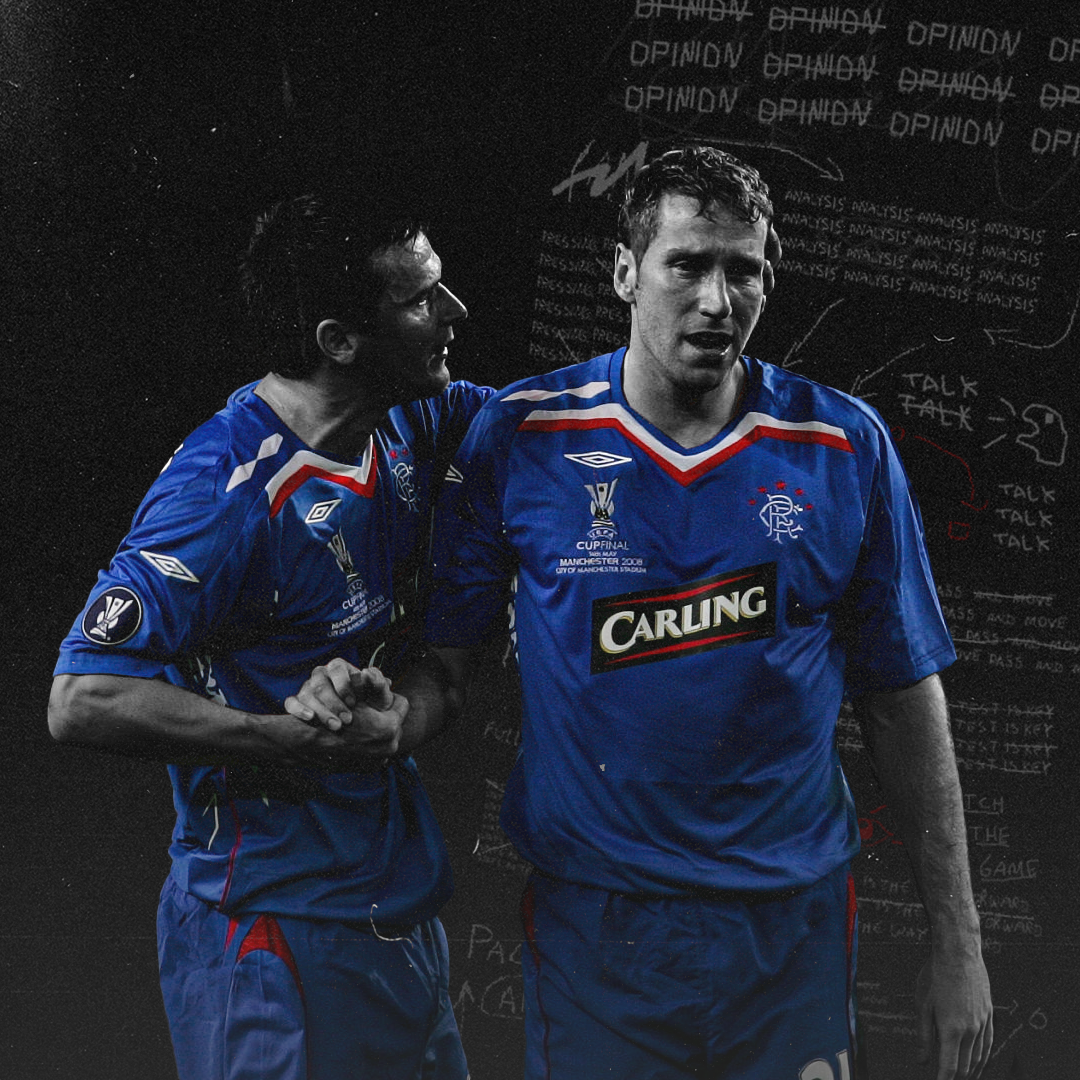
Rangers, who entered administration in 2012 and had to start again in the Third Division. Atletico Madrid, who went down in 2000, just four years after winning the double, due to some atrocious financial mismanagement. And Fiorentina and Napoli who went bankrupt in 2002 and 2004.
If you are ever fortunate enough to attend one of the world’s biggest derbies you will probably hear a song that goes a bit like this: River, decime qué se siente haber jugado el nacional. Roughly translated, the first two lines mean River tell me how it feels to have played in the national. The national refers to the Primera Nacional, the second division of Argentine football.
As you have probably guessed, Boca fans who sing this song during their Superclasico clashes with their arch-rivals River Plate are very happy to remind their rivals of their misfortune going on to sing how they will never forget their relegation and that the stain of it will never be washed away.
The Wacky and Wonderful World of English Football Club Nicknames
But how did this stain come about? To call River Plate a giant is probably doing them a disservice since they are much bigger than that. Established as one of the first clubs in Argentina, they celebrated their centenary in 2001 and were named Campeón Del Siglo or champions of the century by Argentine sports publication El Grafico in 1999.
A small relegation scare in 1983 when they finished second from bottom and were only saved from relegation by the leagues rules who dictated that relegation was decided on a points per season basis was just the kick up the backside they needed to make the 90s their most successful decade so far, winning the 1996 Copa Libertadores. Their decline came about nearly a decade later when the club started selling their key players like Javier Mascherano in 2004 and Alexis Sánchez in 2008 without properly replacing them.
Diego Simeone led the team to the 2008 league title but left during the next season as the club finished the Apertura, the first half of the championship dead last for the first time in their 107-year history. Club president José María Aguilar who had saddled the club with 75 million dollars of debt also left that year being replaced with Argentina and River Plate legend Daniel Passarella. Over the next seasons their form continued to be indifferent at best and in 2011 they finally came under fire through the points per season relegation system.
However, direct relegation was avoided and they would have a final chance to redeem themselves in a two legged tie against Belgrano who had finished 4th in that season’s Argentine second flight. Surely the most successful team in Argentine history until then could dispatch minnows Belgrano.
The Best Footballers That Became Politicians After Retirement
Well, not quite. The first leg played away from River’s home ended 2-0, with the game interrupted as masked River ultras invaded the pitch. A chance for redemption seemed possible at River’s home ground, El Monumental, as within 5 minutes they were 1-0 up. In the 61st minute the second goal came but this time for Belgrano.
Just 5 minutes later River were awarded a penalty only for Belgrano’s keeper to save Pavon’s effort. Belgrano managed to keep things tied until the final whistle which was never heard as River fans stared rioting around the 89th minute. Both sets of players had to be escorted off the pitch and violence spilled out into the neighbouring areas. Suicide hotlines were flooded with calls and an actual increase in demand for antidepressants was recorded.
The next season they came straight back up aided by David Trezeguet who left Juve after they were relegated but didn’t seem to mind playing in the Argentine second tier. Since then the club has somewhat redeemed itself in the eyes of fans winning three more league titles and the 2015 and 2018 Copa Libertadores, the last of which was won against Boca. At least now River fans have somewhat of a response to Boca fans when being taunted for their relegation.
By: Eduard Holdis / @He_Ftbl
Featured Image: @GabFoligno / Ian MacNicol – Getty Images