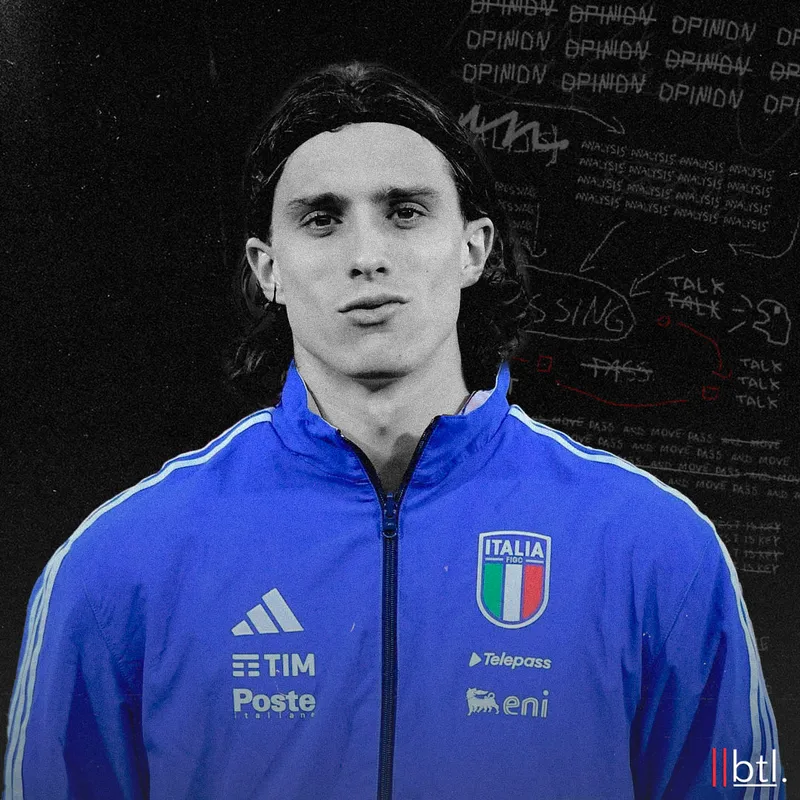
Illustrator Gabriel Foligno Photographer Alessandro Sabattini Publication Getty Images
Italy's missing the World Cup is the Fault of Modern Football
The modern footballing machine is manufacturing efficiency at the cost of the soul. We are witnessing the death of the "unique being"—the player whose individuality is not a flaw to be coached out, but how the game turns. From the…
The modern footballing machine is manufacturing efficiency at the cost of the soul. We are witnessing the death of the "unique being"—the player whose individuality is not a flaw to be coached out, but how the game turns. From the underproducing academies of "advanced" nations to the viral robot drills on social media (imagine a group of 10-year-olds performing a series of Cruyff Turns in sequence), we have mistaken uniformity for mastery.
The runaway genius, Roberto Baggio, the brute poet, Daniele De Rossi, or the progressive passer, Michael Carrick, are dying and being replaced with a duplicative conveyor belt. Children are us. The modern, risk-averse copyists reflect their development. This homogeneity is our fault. Anomalies, such as Max Dowman and Lamine Yamal, do not prove that the system works; rather, they demonstrate that the soul prevails despite suppression.
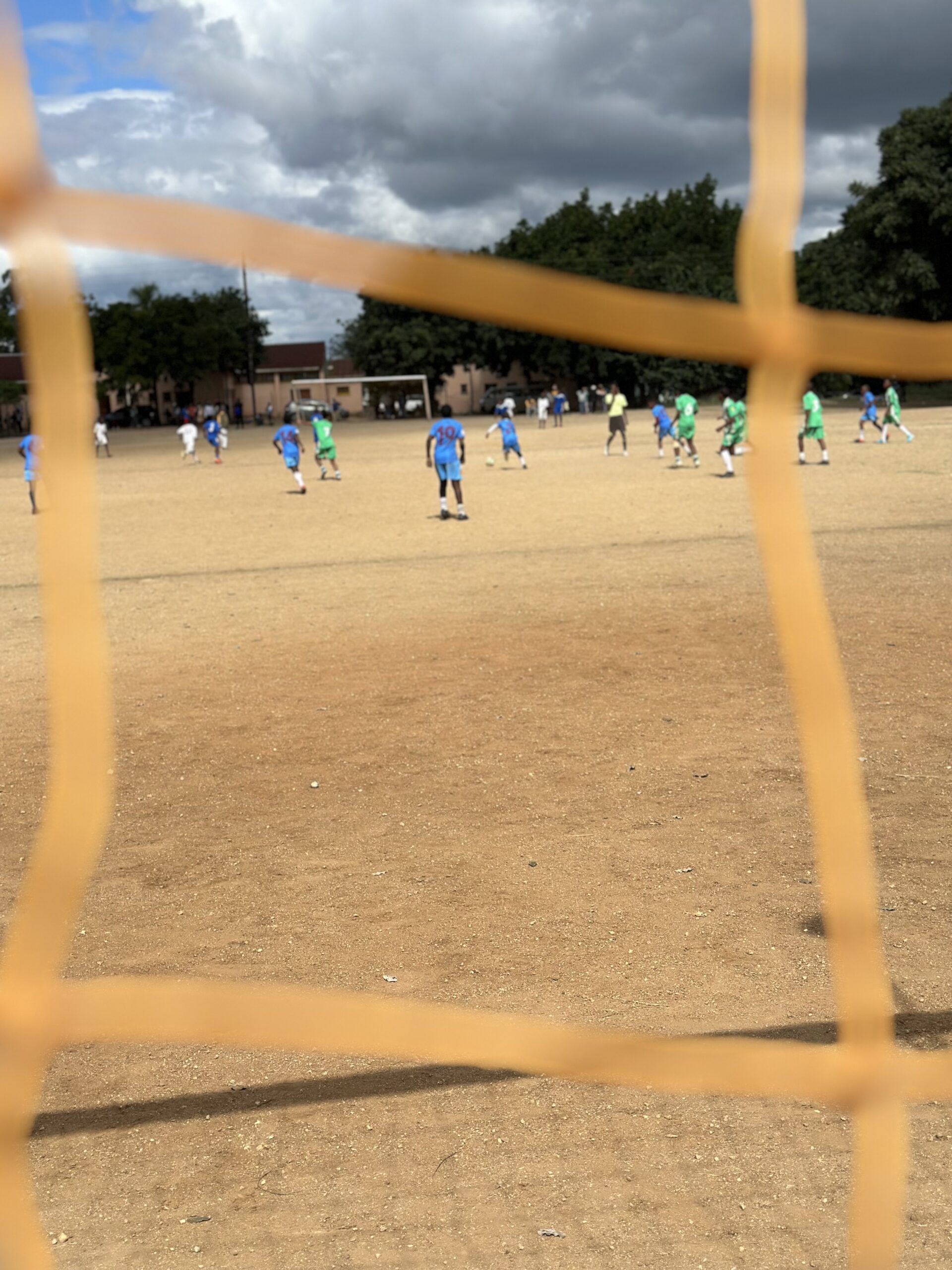
While my work in the Kingdom of Eswatini in Southern Africa with Fisher Talent Group, a football scouting nonprofit, reveals a desperate need for the infrastructure, investment, and formal academy systems that Africa lacks, it also exposes the "cutting-edge" world's greatest shortage: the loss of the spirit. I sell a quote called SOULtalent in our online store, The Soul Store. It means what I am saying.
Football is an open field designed for freedom, a canvas where the individual asserts their own ethos onto the game rather than surrendering to the system—they must integrate with their true self, not succumb to what they are not. This pursuit is life.
/@btl/explaining-the-decline-of-the-azzurri
Football is not basketball. There is not a lane with a three-second time restriction or a five-second "closely guarded" penalty limiting how close you can get to an opposing player. It is not rugby where you must pass and offload the ball backward or laterally. It is not American football, moving perpetually onward, marking with hashes and numbers, reminding you of your destination.
Football defines itself by freedom. It is interpretive, flowing, and possible. Discipline, whether personal or tactical, is not mutually exclusive. It works within football's unrestrictedness and the paradox of its release: one must learn to be themselves within a sport that demands it, while simultaneously aligning enough to propel the team. Poor youth development is to blame for every creative notion we have lost by farming robots instead of humans. Our young athletes are losing themselves in an engine.
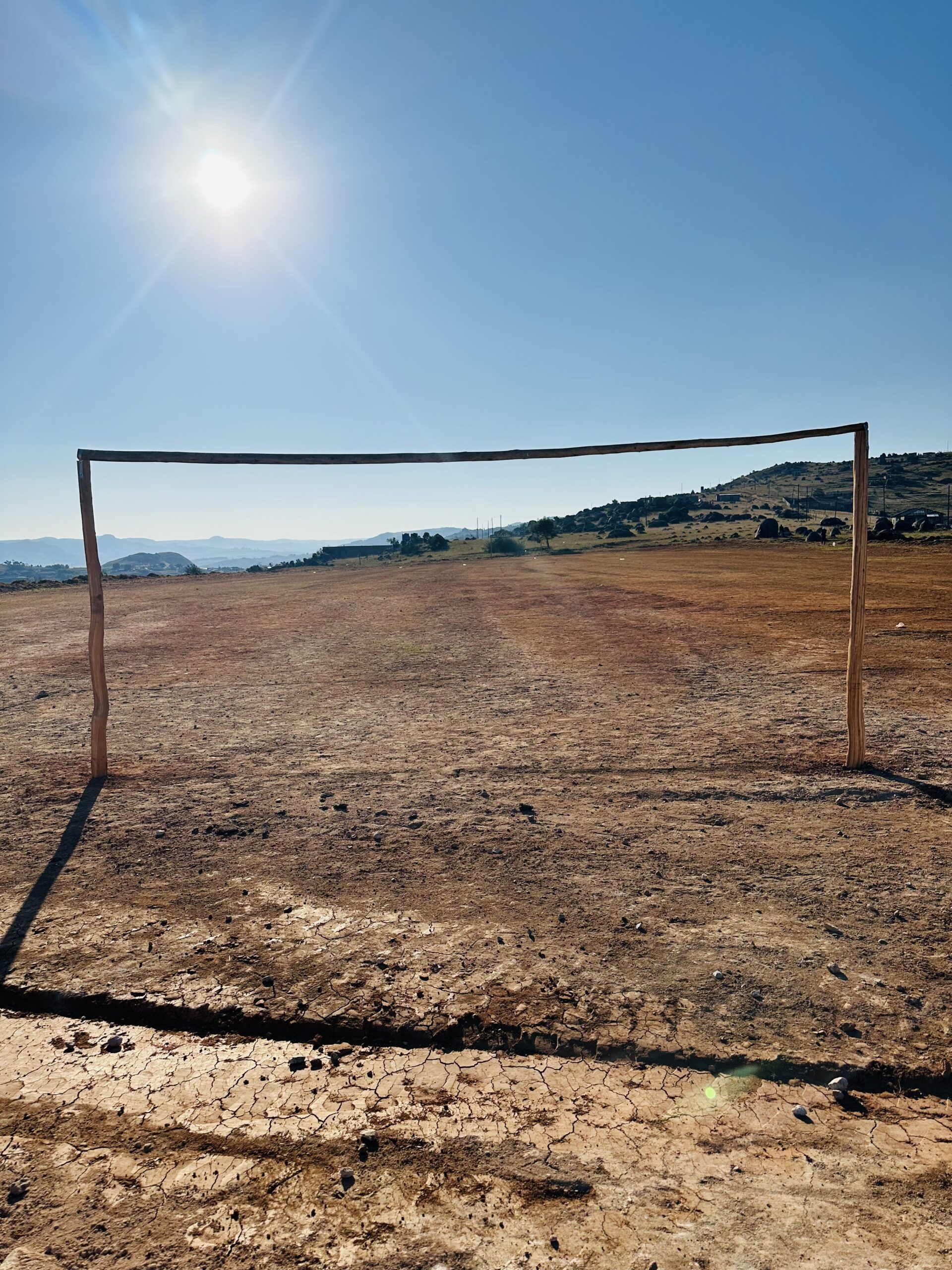
True youth development preserves a raw depth of being that many "progressive" footballing nations are crushing. I suggest playing shoeless throughout the Foundation Phase and competing on dirt pitches. Elite European and U.S.A. academies should implement auxiliary dirt fields and five-a-side cement pitches, making them sanctuaries within structured academies and serving as epitomes of football.
There must be a mediator, reminding us of the origins of creativity and individuality, even at the senior level. There is no passage without progression—no cultivation of the individual without a way. When you plop into perfection, you become that.
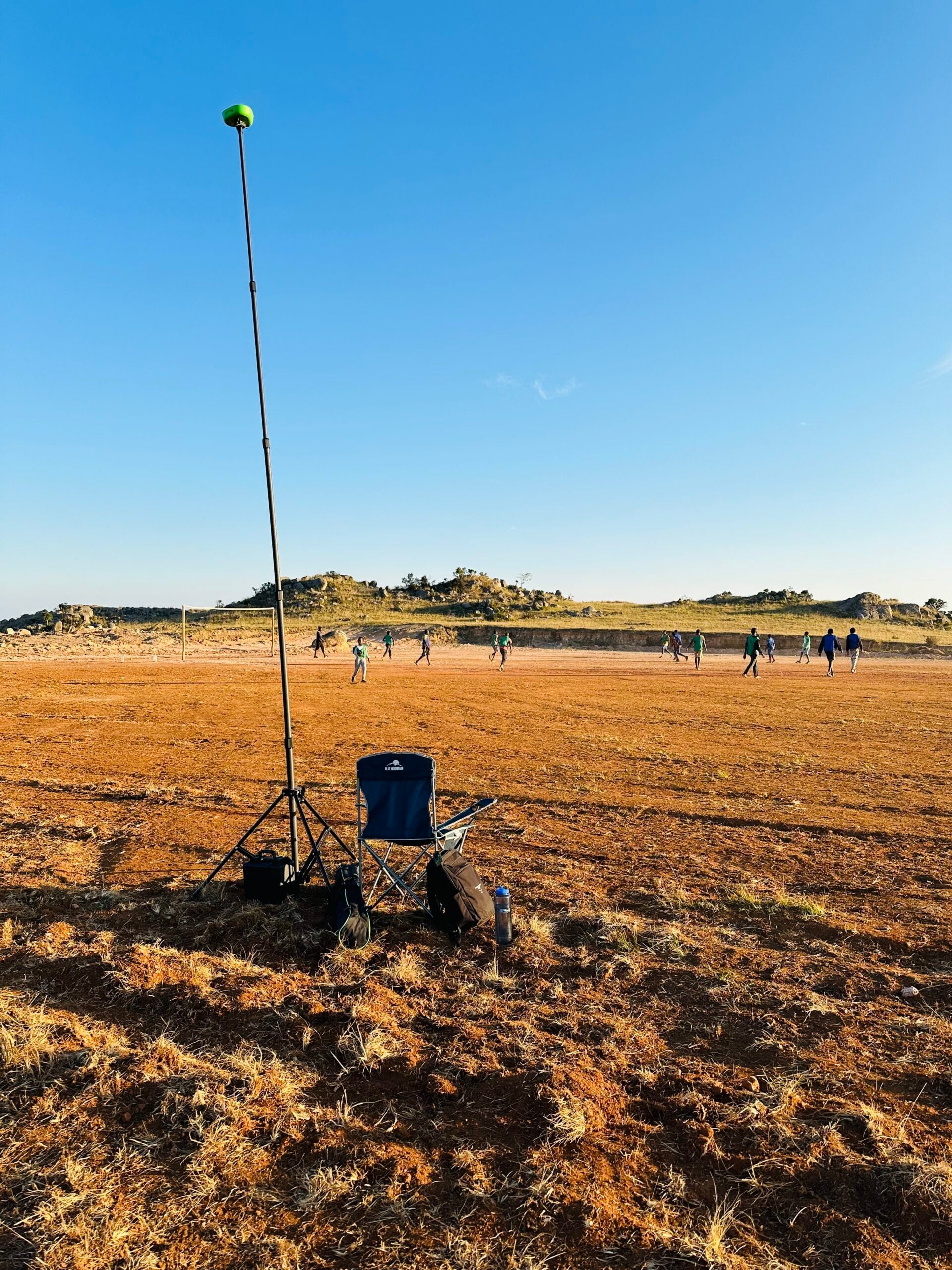
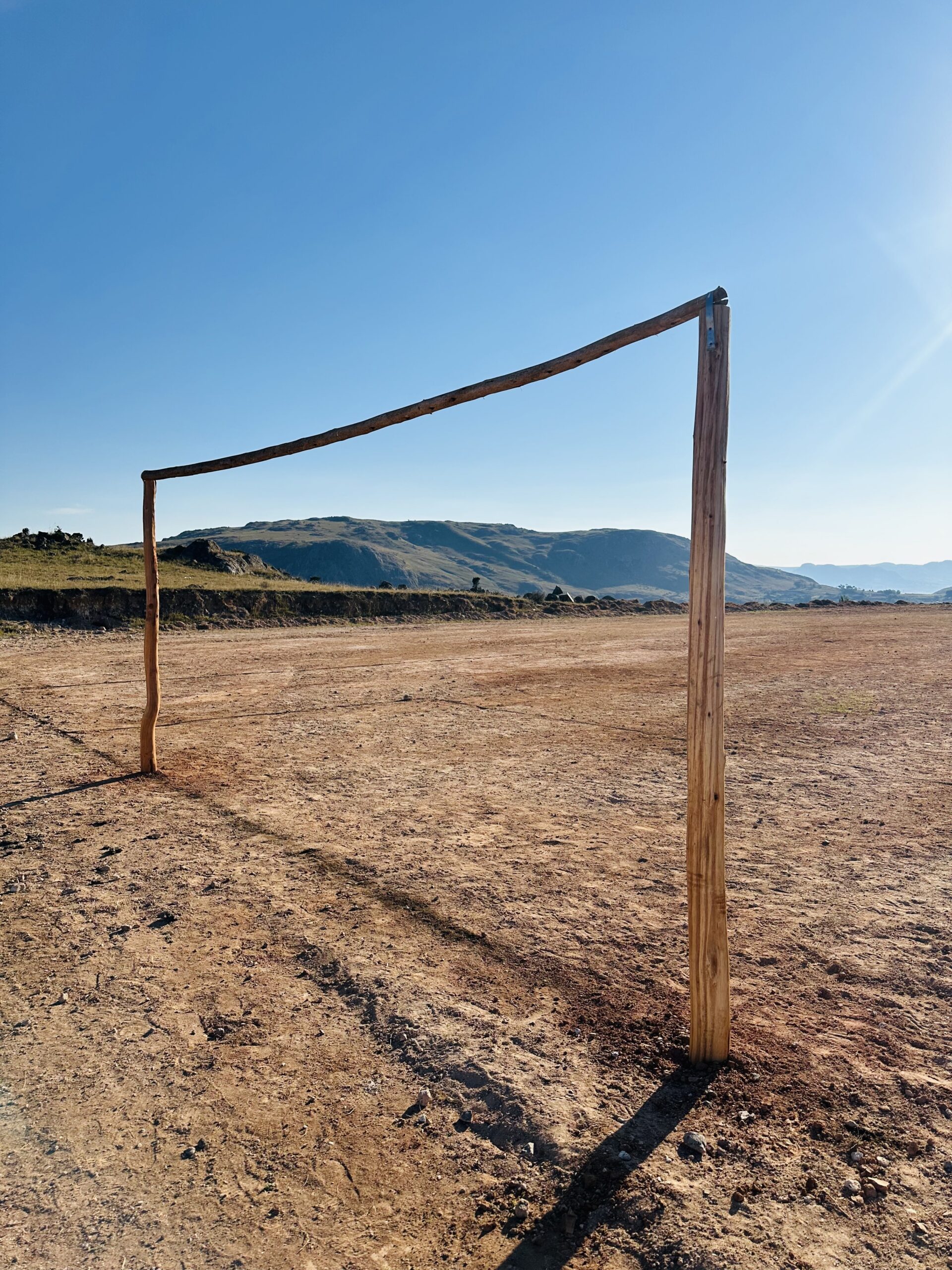
I want infrastructure, administration, and the stable base that Africa lacks for its youth, but there is a balance. The dirt fields, shoeless playing, and more are circumstantial. I believe in a purpose-driven, best-of-both-worlds approach to youth development for advanced and developing footballing nations that preserves individuality and creativity.
If we cannot marry the "right" way to grow players with the preservation of their original flair and internal freedom, we are not developing talent; we are managing decline. The game will not save itself. It mirrors what we give. It is time to stop producing robotic, fear-based young athletes and start cultivating human beings behind the ball. The most important element is coaching.
Even if dirt fields and shoeless playing never professionalize or strategize into development, the culture of the "street," wherever it went, must return. Coaching, true understanding of the game, and original thinking beyond coaching courses and CV boosting must return.
Most importantly, the way we see the game must sharpen; the priority—at least—of individuality and creativity must. The children are not the problem. We must adopt this mindset as the standard: what we put in, we get out, just as we teach players to reap what they sow.
Many "refined" systems suffer from rigidity. The emphasis on an "athletic" approach—prioritizing size and physicality at the expense of a player's true essence and athletic spectrum—is undermining the sport. Most importantly, automated technical development is. It is about balance.
We must help young athletes understand the distinction between repetition and true skill development—its application, fearlessness, and need in a game. They must learn to distinguish between mastering techniques and developing their own. The lack of sincerity and its amplification are why the game lacks an abundance of front-foot wingers, visionary 10s, progressive passers, registas, mezzalas, and all the captivating Italian roles that faded as development misconstrued.
We must restore the courageous human spirit, liberating young players to be themselves. We need more who take bold actions, display confidence and moxie, and exhibit originality in their attacks and personality in their defense. Instead of merely dragging the ball and playing horizontally, wingers must attack defenders and clear them. Dwindling wing play epitomizes my assertion: we must revitalize imagination, invention, and fearlessness, enabling players to thrive within a system without caving to it.
Modern wingers do not attack. They surrender east and west to safety, protection, and mistaken notions of ball security. They are predictable instead of accountable. I prize "possession football," but not at the cost of misinterpreting it. I hold a deep respect for Italian systems and value global tactics, but balancing structure and freedom is football's symmetry. Italy's failure to qualify for the World Cup again is tragic. It affects Italy, but modern football bears the responsibility.
By: Rob Fisher, Executive Director and Head of Scouting at Fisher Talent Group
Photo credit: Rob Fisher
Credits
Words
Rob Fisher