
K Drama Come to Life: The Toxicity of Korean Football
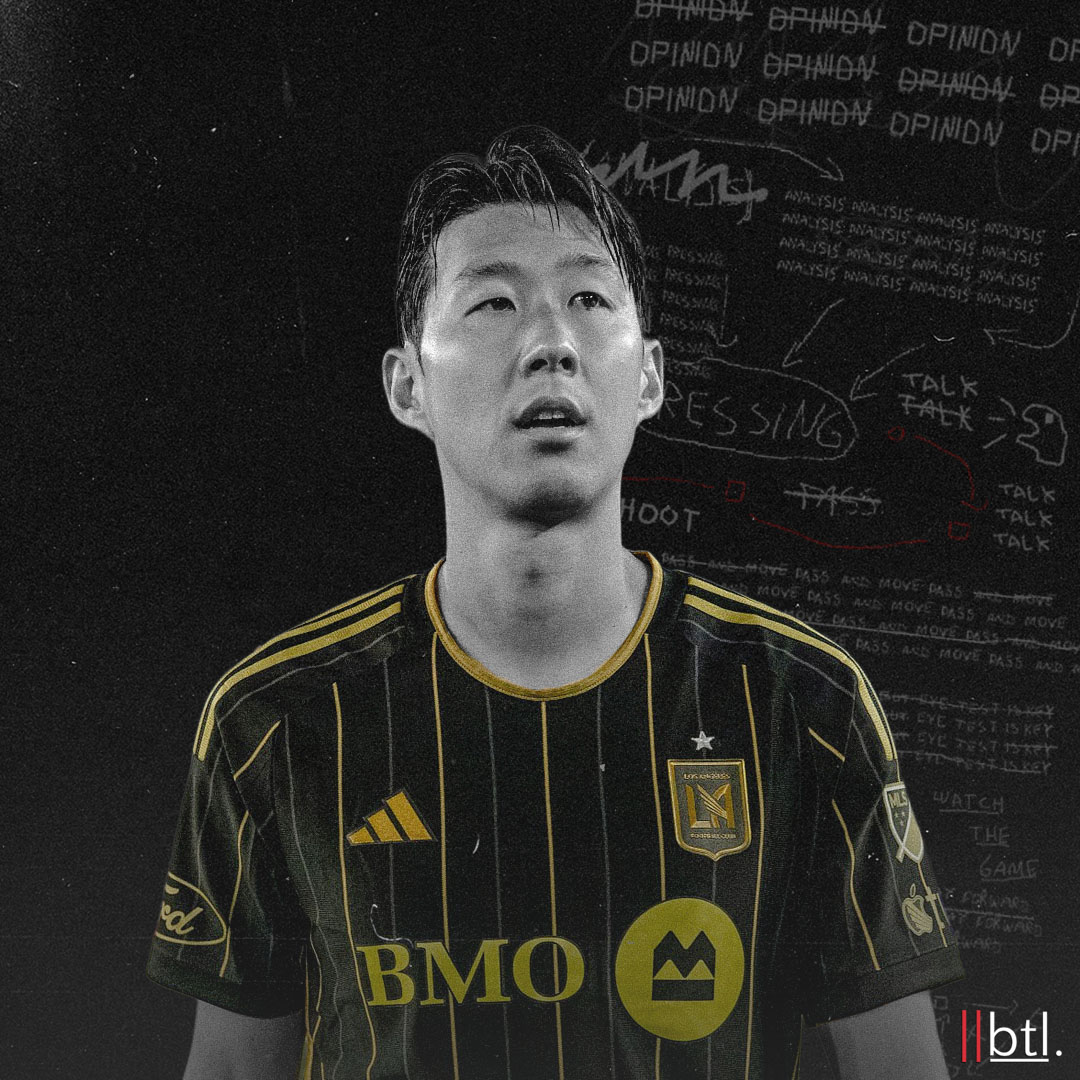
If anyone ever told you real life isn’t a Korean drama, they were lying. Petty locker-room feuds, physical confrontations, and a Mean Girls-level toxicity — Korean football has it all. Despite the brilliance of Son Heung-min and Lee Kang-in abroad, Korean football is quietly falling apart at the seams. The brilliance of these two players has masked an ugly reality that may soon be exposed to the world.
The Slap
The floodgates opened last week when former Ulsan HD defender Jung Seung-hyun alleged that his former manager, Shin Tae-yong, slapped him – an accusation Shin has fiercely denied. Shin – the same man who masterminded Korea’s famous 2-0 win over Germany at the 2018 World Cup – was widely regarded as one of the nation’s more progressive coaches. But even before these allegations, his tenure at Ulsan HD was an unmitigated disaster.
Shin was appointed head coach of Ulsan in August of this year, but was sacked 65 days later due to poor results. After his departure, he claimed in interviews that he had been frozen out of the club by the board and players. The 56-year-old had allegedly attempted to overhaul the squad following an AFC Champions League match that ended poorly, prompting veteran players to turn on him. Following his dismissal, other players accused him of playing golf during an away trip and storing the equipment in the team’s bus.
More Than A Slap
Jung’s allegations against Shin sparked a wave of debate in Korean football circles. It started a discussion about the reputation of Korean coaches, many of whom have been criticized for their ineffective communication skills and temper tantrums.
Gwangju FC manager Lee Jung-hyo, considered to be one of the nation’s best young coaches, has been caught on camera shoving one of his players. Another manager, Kim Do-hoon, was accused of headbutting a rival coach when he was working in Singapore. Even Son Woong-jung, the father of Son Heung-min, was recently accused of abusing young players training at his football academy.
Workplace violence in Korea, often referred to as gapjil (power abuse), has been a widespread issue with roots in the country’s hierarchical culture. Younger people are expected to address their elders in a formal tone while following their instructions. At times, it can lead to a sense of distance between colleagues in the workplace, including on the football pitch.
Guus Hiddink, the legendary coach who guided Korea to fourth place at the 2002 World Cup, forced the younger and older players in his team to dine together; a practice that was unheard of before his arrival. Younger players on the national team once routinely performed menial tasks – even fetching fruits for older teammates – a ritual some could consider humiliating. It’s not hard to imagine that Korean coaches, who are above players on the totem pole, could start abusing their players.
Shooting Ourselves in the Foot
In an attempt to rectify these issues, some Korean clubs have tried to bring in foreign coaches. One of the most successful examples is Gus Poyet. The 58-year-old Uruguayan was appointed head coach of Jeonbuk Hyundai Motors in late 2024. In his first season, Poyet secured both the K League and FA Cup titles for Jeonbuk.
However, the good feelings didn’t last long as Poyet announced his immediate resignation this past weekend. The reason? One of Poyet’s assistant coaches, Mauricio Taricco, had been suspended and fined for allegedly racially abusing a referee. The decision was widely ridiculed by fans and analysts. Footage of the incident showed that Taricco’s supposed “racial abuse” was negligible at best – if not entirely misinterpreted.
The Renaissance of Hwang Hee-chan at Wolverhampton Wanderers
Despite the evidence, the K League refused to lift Taricco’s punishment, prompting Poyet and the rest of his staff to resign. The decision by the K League to uphold the punishment wasn’t surprising to those familiar with Korean football. In fact, it’s a decision that people familiar with Korean culture should have expected.
Beneath the glitz of Korean dramas lies a stressed, overworked country – one where institutions, including the K League, often make decisions driven more by pride than practicality. There’s a stubborn refusal by those in power to admit their mistakes and, even worse, a refusal to change their ways.
Here Comes the Pain
No matter what I write, the results of this toxicity have been bearing fruit. While the JFA invests in its domestic league and upgrades stadiums, the KFA has been sitting on its hands, letting most of the country’s arenas fall into a state of disrepair. While many Japanese players make the jump to Europe and thrive in various leagues, Korea has sent only a handful in comparison.
Besides the obvious success stories in Son Heung-min and Lee Kang-in, there are many other Korean players who flamed out quickly on the brightest stage. It makes one fear for the future of Korean football once Son and Lee are no longer playing.
Unless South Korea produces another generational talent, the sport risks collapsing under the weight of its own dysfunction. And when that day comes, the blame won’t lie with Japan, referees, or foreign coaches. It will lie squarely with ourselves.
By: Albert Kim / @Albert_Kim2022
Featured Image: @GabFoligno / Shaun Clark / Getty Images