

4 Practical Spaces Every Football Community Needs
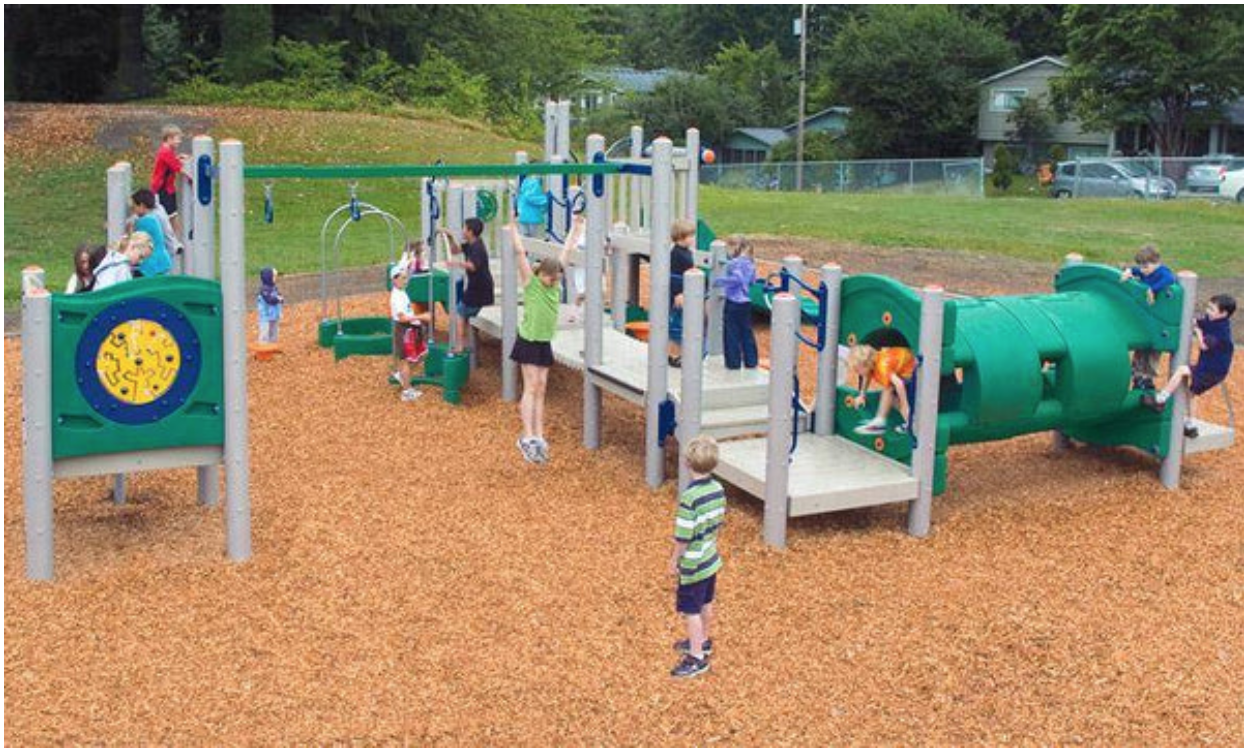
Alt Text: Children enjoying the outdoors play equipment
The four physical spaces every healthy football community needs include safe play areas, shaded social zones, school recreation spaces, and informal gathering points.
Investing in these foundational environments fosters early youth development, supports player pathways, and strengthens long-term club retention.
The game is built not only by tactics and talent, but also in the physical areas that surround the pitch.
There is a particular kind of magic that happens beside a grassroots football training ground on a Tuesday evening. A group of eight-year-olds is juggling a ball near the touchline, not because a coach told them to, but because the energy of the place demands it.
A few metres away, a toddler chases a sibling across a patch of open grass. Parents stand in small clusters, picking up conversations that started last Saturday and never really ended.
Look at that scene carefully. None of it is happening on the pitch. None of it is the product of a coaching manual, a development plan, or a tactical system.
Yet all of it is the reason that the club still exists after thirty years.
These peripheral zones are where families build the habits of returning week after week. They represent the last thing anyone thinks to invest in, yet they deliver incredible long-term value.
This piece examines four types of physical environments that every healthy football community needs. None of these requires a stadium budget, but all of them matter profoundly.
1. Safe Play Areas for Younger Children
In football-mad neighborhoods, the youngest children are never far from the action. They arrive at training nights bundled in the back seat and deposited somewhere near the pitch.
The problem is that these sidelines are rarely designed for their safety or engagement.
Managing a bored toddler on a patch of concrete for ninety minutes creates a persistent barrier for parents.
Over time, families without a dedicated space for little ones tend to drift away. By the time a child is old enough to start training, their parents have no existing relationship with the club.
A modest, intentionally designed play area adjacent to a training ground changes that dynamic entirely.
For community clubs seeking structured physical development, providing age-appropriate structures is easily achieved with options like WillyGoat’s school playground equipment.
The developmental science supporting early free play is well-established. Physical activity early in life combats national health issues, considering that about 1 in 5 school-aged children is affected by obesity.
Building motor competence through free physical play creates a foundation for future athletic endeavors. Small community clubs that invest in even a modest play corner notice it becomes a natural gathering anchor.
Player pathways often begin not with a first training session, but with a first afternoon spent playing freely. Families attend on nights they might otherwise have stayed home.
Ultimately, the club feels more like a place that belongs to everyone.
| Key Insight: Designing for toddlers isn’t just about childcare; it’s about early recruitment. When families feel welcome before their kids can play, they are more likely to stay for the long haul. |
2. Shaded Social Zones for Families
Picture a Saturday morning touchline in late July with the sun directly overhead. Parents are squinting into the light, shifting their weight, and holding bags over their heads for shade.
By the time the final whistle blows, most families are already moving toward the car park. This lack of comfort means the post-match social window is gone before it even starts.
This is one of the most underestimated problems in grassroots football infrastructure.
Fortunately, creating shaded social space is almost entirely solvable with minimal investment. Adding benches beneath a simple canopy or a covered standing area dramatically changes the community culture.
These small upgrades work in a slow, compounding way that clubs only recognize when reflecting on their growth.
When families have a reason to stay, conversations naturally deepen. The parent who has been thinking about volunteering finally finds the right moment to mention it.
The coach wondering whether to propose a new Saturday format gets immediate feedback from multiple perspectives. These interactions form the social tissue that keeps football communities functioning beyond a fixture list.
Larger academies understand this instinctively and invest in covered stands and café facilities. Community clubs can scale this principle down with a modest shade sail or pavilion structure.
Research consistently points toward social bonding as the primary driver of long-term sport retention. Players stay because they feel embedded in a community, not just because they enjoy the game.
3. Flexible School Recreation Spaces
Most children experience their first real football environment in a school playground during lunch break.
Someone produces a ball, goals are marked by two jumpers, and rules are entirely negotiated. These school recreation spaces act as the unofficial academies of grassroots football.
They are the vital environments where the game first becomes something children choose for themselves.
The developmental contribution of well-designed school recreation environments extends far beyond football.
Spaces that encourage free movement and varied physical activity support essential spatial intelligence. This foundation contributes to why total high school athletics participation recently hit a record high.
Children who arrive at their first structured session comfortable with movement have a measurable head start.
The physical design of these outdoor spaces influences how freely children engage in physical activity. Surface variety and open areas allow for the multi-directional movement required in modern sports.
A school that invests thoughtfully in its outdoor environment is investing in the quality of local player pathways. These vibrant settings inspire the exploratory activity that builds physical confidence for life.
| Pro Tip: Use schoolyard designs that encourage multi-directional movement and creative play. These unstructured environments build the fundamental motor skills that formal coaching sessions often take for granted later on. |
4. Informal Gathering Points
Football conversations rarely end exactly at the final whistle. The game continues in car parks, at café tables, and on park benches outside training grounds.
These informal gathering points are where the last twenty minutes of a match are passionately relitigated. They are where club identity is formed and shared history is created.
The presence of informal social infrastructure determines whether a football community truly functions together. The story a club tells about itself is written in these casual conversations, not just its trophy cabinet.
Grassroots administrators consistently cite mundane social traditions as the core of their club culture. A post-training dinner tradition or a specific park corner holds immense value for long-term loyalty.
These anchors are powerful retention tools, particularly for young players navigating adolescence. Social embeddedness prevents the common drop-off in sports, as seen when participation rates fall from 61.9% to 49.8% between ninth and twelfth grade.
Players who have somewhere to belong off the pitch are significantly more likely to remain connected.
Creating these spaces requires recognizing that football is a deeply social phenomenon.
The Overlooked Architecture of Football Culture
Return, for a moment, to that typical Tuesday evening training ground. The children juggle beside the touchline while parents socialize with their cups of tea.
What makes that scene possible is the rich texture of the physical environment. The play area, covered benches, and recreation spaces pull families back week after week.
The strength of football nations and regions is not measured solely in academy graduation rates. It is measured in the everyday environments that keep ordinary people connected to the game.
Those environments form the foundational grassroots infrastructure that sustains everything built above them.
| Key Insight: The strength of a football community is measured not by trophy cabinets, but by the quality of the everyday environments that keep ordinary people connected to the game across their lifetimes. |
The Big Picture
The next generation of players is already out there, juggling beside a training ground. They are waiting for the spaces around them to be worthy of the game they love.
Prioritizing these four simple community spaces ensures the sport thrives for decades to come. Ultimately, investing in local infrastructure guarantees a lifelong connection to the beautiful game.
| Author Profile: WillyGoat is the leading online retailer of commercial playground equipment for schools, parks, churches, daycares, and communities across America. |