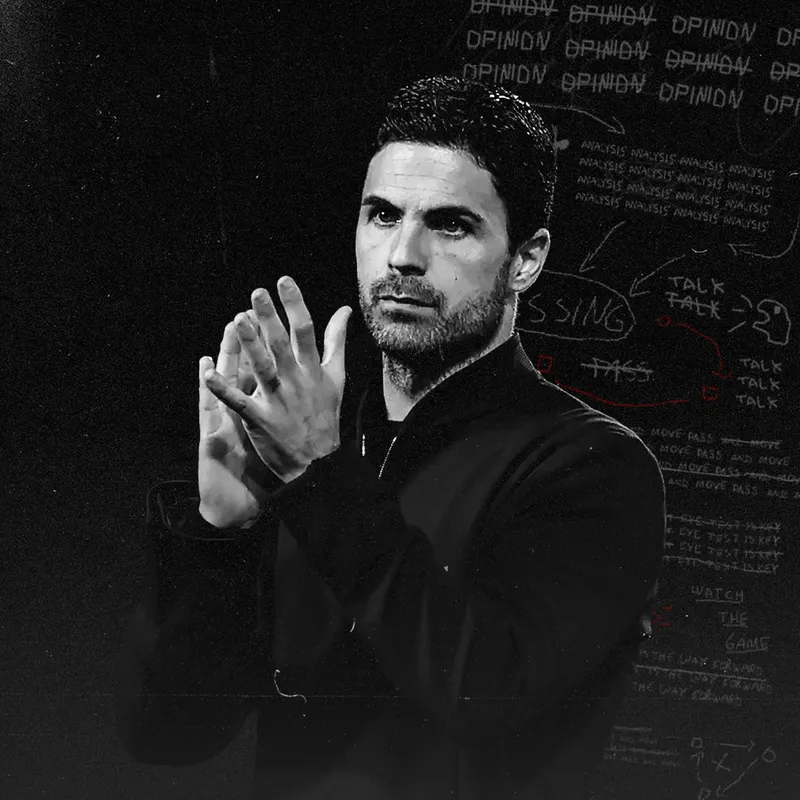
How Arsenal Reached the Champions League Final Under Arteta: A Tactical Breakdown
14 matches. 11 wins. 3 draws. 0 defeats. 6 goals conceded. For the first time in two decades, Arsenal Champions League dreams have come true. The Gunners are in Budapest. This is how Arteta's system dismantled Europe's best, one round at a…
14 matches. 11 wins. 3 draws. 0 defeats. 6 goals conceded. For the first time in two decades, Arsenal Champions League dreams have come true. The Gunners are in Budapest. This is how Arteta's system dismantled Europe's best, one round at a time.
Are you following the final match? Website ggbets-pl.com has live odds and player markets running daily. Worth a check if you want to see how the bookies actually price Saka, Gyökeres and Rice against PSG's attack. Bookmakers have PSG at 46% favourites, Arsenal at 30%.
The system: how Arteta set Arsenal up for Europe
The 4-3-3 base and its European adjustments
Arteta's base shape is a 4-3-3. William Saliba and Gabriel as centre-backs. Two flexible full-backs. Declan Rice anchors midfield. Eberechi Eze and Myles Lewis-Skelly share the No. 8 role on big European nights. Meanwhile, Martin Zubimendi and Mikel Merino are rotating in. Bukayo Saka stays right. Gyökeres leads the line.
In domestic football the system controls games through possession. In Europe it bent. Against Bayern, against Bilbao, against Atletico Madrid, the Gunners moved to a more compact 4-1-4-1 out of possession. Wider blocks. Less pressing. More patience.
The defensive philosophy - mobile centre-backs replacing natural full-backs
A peculiar tactical wrinkle this season. Arteta started using inverted full-backs in transition. Myles Lewis-Skelly stepping into midfield. Riccardo Calafiori drifting inside. The risk? Wide spaces left exposed. The reward? Numerical advantage in central zones during build-up phases.
Why does it work? Saliba and Gabriel are mobile enough to cover those spaces.
Why Arsenal's press worked differently in Europe vs the Premier League
In the Premier League, the Gunners press high. They harass goalkeepers. They cut passing lanes early.
European football demanded a different approach. Top opponents play through the press better. So Arteta dropped the line. The press triggered selectively rather than constantly. More controlled. Smarter.
Key personnel: Rice, Eze, Gyökeres and the roles that defined the campaign
The spine:
- Declan Rice - defensive anchor and progressive passer. The bridge between defence and attack.
- Eberechi Eze - the creator. Half-spaces, late runs, big moments in big games.
- Viktor Gyökeres - expensive striker from Sporting. Pressing forward who creates chaos for opposition defences.
Add Saka on the right. Add Saliba's distribution from the back. That's the European Arsenal.
League phase: building a perfect record
Athletic Club (Bilbao) away - the opening statement
Bilbao like to build patiently. Arsenal didn't let them. The Gunners controlled the game at San Mamés in their opening league phase fixture on 16 September 2025. The 2-0 result was the template for future success.
Bayern Munich at home - the biggest test of the phase
A statement win against the reigning German champions told Europe Arsenal were serious. Jurriën Timber headed Arsenal ahead on 22 minutes. Lennart Karl equalised for Bayern on 32. The second half belonged to the substitutes. Noni Madueke scored his 1st Arsenal goal on 69 minutes. Gabriel Martinelli added a 3rd on 77. Rice was Player of the Match. Bayern's 18-match unbeaten run? Over.
Olympiacos, Pafos and the rest - managing rotation without losing structure
Eight group matches. Different selections each time. The bench rotated heavily. The structure stayed identical. Arsenal finished top of the league phase with a 100% winning record. No other team in the rivalry achieved that.
League phase verdict
Eight wins from eight. Top scorers in the phase. Five clean sheets. Arsenal had shown they could press, counter-press and control across three different styles.
The league phase only told half the story. By the time Arsenal reached the knockouts, they were also leading the Premier League. That’s a tactical identity proving itself in both competitions at the same time.
Last 16: Bayer Leverkusen - pressing vs pressing
The opponents and the threat they posed
Kasper Hjulmand replaced Erik ten Hag at Leverkusen in September 2025. Hjulmand inherited a chaotic squad rebuild and steadied it. Leverkusen's identity: high press, positional fluidity, dangerous transitions through pace. A mirror of Arsenal in many ways.
First leg: the 1-1 in Germany
Arteta played balanced in Germany. Compact defensive block. Counter-threat through Saka and Gyökeres. A 1-1 draw on March 11 kept the tie poised.
Second leg: the 2-0 at the Emirates (3-1 aggregate)
Arsenal laid siege to Leverkusen's goal from the start. Blaswich made 10 saves on the night. Saka. Trossard. Gabriel. White. All denied. Then came the 36th minute. Eze controlled a Trossard pass on the edge of the box. One touch. He swivelled. Then a 25-yard rocket into the top-left corner. Was it the best individual moment of the campaign? Hard to argue otherwise. Rice doubled the lead on 63 minutes.
3-1 on aggregate. Through to the quarters.
Quarter-final: Sporting CP - the patient grind
Sporting's threat and the tactical challenge
Sporting CP arrived as a side that had topped a group containing Bayern Munich. Their pressing intensity matched Arsenal's. The challenge was clear. Outwit a team that played a similar style.
The 1-0 aggregate win
Tight. Cagey. Two legs of low-scoring chess. The Gunners won 1-0 on aggregate. Exactly the kind of result Arteta's system was built to deliver. Defensive structure first. Surgical attacking when the moment came.
Semi-final: Atletico Madrid - Arteta vs Simeone
The tactical problem Atletico posed
Diego Simeone's low block remains the toughest nut to crack in European football. Physicality. Counter-attack discipline. They play a direct ball over the top to Julián Álvarez whenever an opening appears. It's different to Leverkusen. It was harder in some ways.
First leg at the Metropolitano (1-1)
Gyökeres scored a penalty. Álvarez equalised. A VAR controversy went against Arsenal late on. Tense, hostile, ugly. Arsenal kept their discipline.
Second leg at the Emirates (1-0)
Arteta opted for Lewis-Skelly and Calafiori instead of more defensive players. A statement of intent! The breakthrough came in the 44th minute. William Saliba's pass found Gyökeres behind the defence. The Swede crossed to Trossard at the back post. Oblak saved Trossard's shot. Saka pounced on the rebound. Then he tucked it home before half-time. In the second half, Atletico pressed. Rice made one vital tackle. Gabriel produced a last-ditch block that kept Atletico out.
Arteta after the match, speaking toarsenal.com:
"It's one of the best nights that I've had in my career… I think today the supporters raised the standard and told us the way we had to play this game."
The defining tactical moment of the campaign
Rice completed 83 passes in the first leg against Atletico in Madrid. Second-most by an English midfielder in a UCL semi-final since records began in 2003-04. Only Michael Carrick's 99 against Schalke in 2011 is higher. He also made 12 line-breaking passes. Well, that’s more than any other player on the pitch. The data behind Arsenal's control. He didn't just defend. He dictated. UEFA gave him Man of the Match.
The numbers that tell the full story
Defensive record across the competition
Defensive dominance: how Arsenal led the campaign
The team conceded just six goals across 14 matches.That put Arsenal among the meanest defences in the competition's modern era. The clean-sheet count rose throughout the campaign. Arteta's team didn't just press more. They pressed at the right moments.
Gyökeres's European impact
The Swedish striker arrived from Sporting in summer 2025 for €73.5m. By May 2026 he had 20 goals across all competitions. The Champions League contribution came from clutch moments. The penalty in Madrid. The constant disruption of opposition build-up phases.
Rice's campaign by the numbers
- 83 passes vs Atletico first leg, the second-most by an English midfielder in a UCL semi-final since 2003-04
- 12 line-breaking passes that night - most by any player in the match
- UEFA Man of the Match in the semi-final first leg
- Decisive goal against Leverkusen at the Emirates
A complete season at the top level. He's now in conversations for the Ballon d'Or top 10.
What the final against PSG requires tactically
When is the Champions League final? Saturday May 30, 2026. There is intrigue here because past statistics cannot indicate a future winner with any certainty. Both teams won twice and there were three draws. So, we'll have to wait and see what the surprise Champions League final 2026 will bring.
PSG's system under Luis Enrique
Reigning champions. 44 goals in this campaign. Five-goal hauls against Chelsea and Bayern Munich. Dembélé in career-best form. Kvaratskhelia dragging full-backs out of shape. Désiré Doué added a third attacking dimension PSG didn't have last season.
The one tactical weakness Arsenal have shown that PSG will target
Arsenal struggle when teams play with width and pace simultaneously. PSG do exactly that. Look for Kvaratskhelia attacking Lewis-Skelly's side.
What Arteta must do differently on May 30 in Budapest
Stay compact. Force PSG into half-spaces where Saliba and Gabriel can compete. Trust Rice in space. Take chances when they come. And they will. Because PSG defend like the scoreline is already 4-0.
The form table makes Arsenal underdogs. The Opta supercomputer gives Arsenal a 54.6% chance. Arsenal sit five points clear at the top of the Premier League with one game left after Kai Havertz's header sank Burnley on Monday. Arsenal aren't going to Budapest to make up the numbers.
Conclusion
Eleven wins. Zero defeats. The competition's best defensive record. Arsenal didn't stumble into this final. They earned it. Match by match. Decision by decision. Arteta has built the system, the squad and the mentality. Budapest is the destination. The question now? Whether Saturday ends with the trophy.
FAQ
1. What time is the Champions League final in the UK?
Kick-off is 5pm BST at the Puskás Aréna in Budapest (May 30, 2026). UEFA shifted the start time forward this season for the first time in modern history. So you’ll be able to enjoy a family-friendly Saturday afternoon slot.
2. When did Arsenal last win the Premier League?
The Invincibles era. 2003-04 under Arsène Wenger. Their last Champions League final appearance was even further back - 2006, when Barcelona beat them in Paris.
3. Why is Arsenal's away record against Spanish clubs so unusual?
The team's record against Spanish opposition this season has been exceptional. Wins over Athletic Club and Atlético in the league phase, plus a draw in Madrid, extended a historic run against La Liga sides under Arteta.
4. Where to watch Southampton F.C. vs Arsenal F.C.?
Domestic league matches involving the Gunners are shown on Sky Sports, TNT Sports or Premier League Productions in the UK. The broadcaster depends on the fixture date. Sky shows most Arsenal games, while BBC’s Match of the Day provides highlights. Arsenal’s Champions League final is available on TNT Sports and also free-to-air on Channel 4.
Credits
Words
Zach Lowy