
Beyond the Pitch: How Security at Major Football Events Actually Works
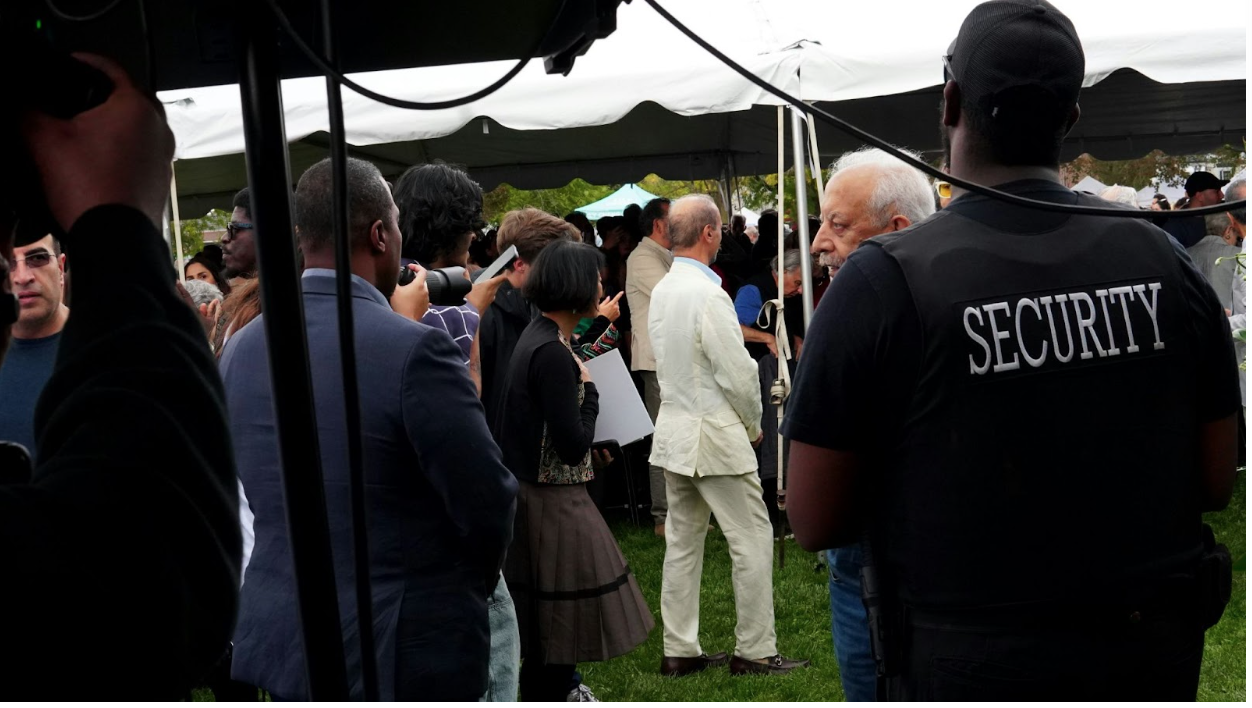
https://unsplash.com/photos/security-guard-watches-over-a-gathering-under-a-tent-YQ9aFeawqeo
Football attracts billions of eyes. It also attracts risk. The same scale that makes a Champions League final or World Cup group stage electrifying makes it a serious security operation.
Behind every flawless matchday is a layered security plan covering thousands of personnel, coordinated agencies, and specialized protective equipment most fans never see.
Why Football Security Has Become Its Own Science
UEFA President Aleksander Ceferin publicly identified security as the “biggest concern” heading into Euro 2024 in Germany. That is not standard procedure language; it reflects a genuine evolution in the threat landscape.
Pitch invasions, organized supporter violence, terrorist threats, and politically motivated disruption have all featured in the recent history of major football events. Security planners now treat stadium safety with the same rigor coaches apply to tactical systems.
The 2022 Champions League final in Paris became a case study in what goes wrong when security planning fails. Thousands of supporters with valid tickets were denied entry, and crowd management broke down. UEFA and host associations drew direct lessons from that night.
The Layers of a Modern Football Security Operation
Effective stadium security does not begin at the turnstile. It starts weeks before a ball is kicked, with risk analysis, venue audits, and coordination between private security firms, local police, and national authorities.
| Security Layer | Responsibility | Personnel Involved |
| Risk & intelligence | Threat identification, historical data analysis | National agencies, UEFA security staff |
| Outer perimeter | Fan flow management, ticket verification | Stewards, private security |
| Inner stadium | Crowd control, incident response | Trained security officers |
| Pitch & tunnel | Player and official protection | Close protection officers |
| VIP and media zones | Access control, personal protection | Armed/equipped security detail |
| Emergency response | Medical, evacuation, crisis management | Police, paramedics, fire services |
What Security Personnel Actually Wear
Visible stewards in bright bibs represent just the outer ring. Close protection officers operating in tunnel areas, team facilities, and VIP zones require a different level of equipment.
Ballistic protection is standard for personnel assigned to high-risk positions at major international fixtures. Officers working players and official security details at tournaments like the World Cup and Champions League routinely wear concealable soft armor.
Providers rated and certified by the National Institute of Justice (NIJ) are the benchmark for professional use. One widely used brand among security professionals is safe life defense, which produces NIJ-certified soft armor designed for extended wear in public-facing security roles.
The priority in football event security is concealability. Officers working close to players and officials cannot present a militarized appearance. Soft armor worn under formal or event clothing achieves protection without visibility.
Expert Perspective on Stadium Security
“Safety and security in the stadium, on the pitch and at team facilities are the ultimate priority for UEFA, DFB and Euro 2024.”
UEFA Official Statement, Euro 2024 (via ESPN)
“Technology gives us the tools to be proactive instead of reactive. This not only makes our work more effective, but also more secure.”
Pieter, security technology specialist, Dutch Crowd Security (Euro 2024 preparations)
Soft Armor vs. Hard Armor: What the Role Dictates
Not all security positions at a football event carry the same risk profile. The choice between soft and hard armor is determined by the specific assignment.
| Role | Armor Type | Why |
| Steward / outer perimeter | None or stab vest | Crowd management, not ballistic threat |
| Close protection officer | Soft (NIJ IIIA) | Concealable under clothing, handgun protection |
| Police tactical unit | Hard plates (Level III+) | Armed response, rifle threat environments |
| VIP escort detail | Soft (NIJ IIIA) | Discreet, all-day wearability required |
| Armed security supervisor | Hybrid (soft + plate insert) | Balance of concealability and rifle protection |
For most in-stadium security roles at football events, NIJ Level IIIA soft armor is the practical standard. It handles handgun threats, allows full movement, and can be worn through an eight-hour matchday shift without impairing performance.
Watch: Inside Stadium Security Operations
This breakdown covers how major sporting events plan and execute safety operations, from perimeter control to close protection protocols.
Watch: How Stadium Security Works at Major Events (YouTube)
5 Things That Separate Good Football Security From Poor Planning
- Pre-event risk analysis: Identifying specific threats based on the fixture, the teams, and the location before any personnel are deployed.
- Layered access control: Separating fan zones, media zones, player tunnels, and VIP areas with distinct credentialing at each point.
- Certified protective equipment: Close protection staff must wear gear that meets recognized ballistic standards, not uncertified alternatives.
- Crowd intelligence: Monitoring supporter groups and tracking known troublemakers in the days leading up to the event, not just on the day.
- Post-incident review: After every major fixture, security teams debrief and feed findings into the planning cycle for the next event.
More from Breaking The Lines
Tactical Analysis: How Modern Managers Approach High-Stakes Games
Player Analysis: Reading Performance Data Correctly
Opinion: How Football Analytics Is Changing the Game
Frequently Asked Questions
Do security officers at football events actually wear body armor?
At major international tournaments and high-risk club fixtures, close protection officers and armed security personnel commonly wear concealable soft body armor. Outer-ring stewards typically do not.
What standard of body armor is used in professional event security?
NIJ Level IIIA is the most common standard for close protection roles at football events. It protects against the majority of handgun threats and can be worn under standard event clothing for a full shift.
How is player security managed during major tournaments?
Player and coaching staff are protected by dedicated close protection details operating from team hotels through to the tunnel and the pitch perimeter. These teams conduct advance work on every venue and route before the squad arrives.
What went wrong at the 2022 Champions League final in Paris?
Crowd management failed at the entry points of the Stade de France, leaving thousands of supporters with valid tickets unable to enter. French police used tear gas on the crowd. UEFA subsequently commissioned an independent review and implemented direct changes to its security protocols.
Is it legal for private security firms to carry body armor at sporting events?
In most jurisdictions, yes. Licensed close protection operatives are permitted to wear ballistic protection as part of their professional role. Rules vary by country, and all operators at UEFA events must be registered and compliant with the host nation’s regulations.
Football is more than a game on the pitch. The infrastructure keeping players, officials, and fans safe is a discipline in itself, one that deserves the same analytical attention as the tactics taking place ninety minutes at a time.