

Dual Truss Container Shelters: Enhancing Industrial Storage and Logistics Efficiency
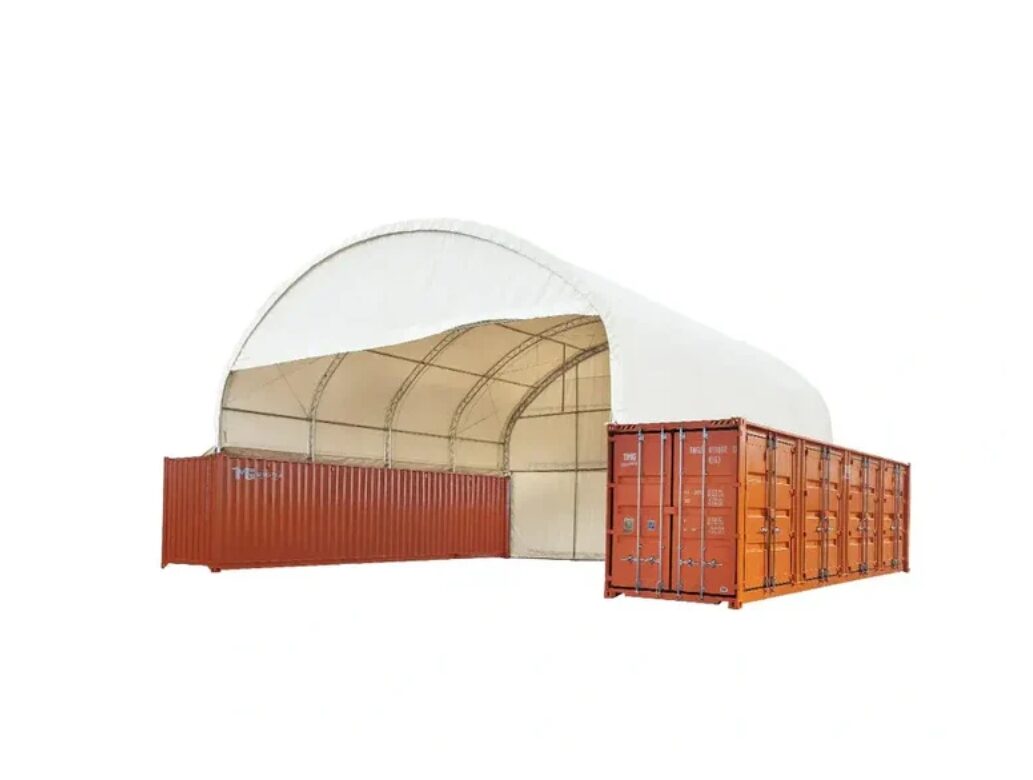
In the United States, industrial operations increasingly demand flexible and durable solutions for storage and logistics. The Dual Truss Container Shelter addresses these needs by providing a robust, weather-resistant structure suitable for warehouses, distribution centers, and outdoor storage areas. Its design integrates dual trusses for enhanced strength and stability, making it a practical choice for long-term and temporary industrial use.
Market Context and Industrial Significance
With the growth of e-commerce, logistics, and industrial manufacturing, the demand for reliable storage solutions has intensified. Organizations require structures that can withstand extreme weather, protect inventory, and improve operational workflow. Dual truss container shelters meet these requirements by providing a versatile storage environment that is both secure and adaptable to varying industrial contexts.
Technical Overview and Applications
The dual truss design enhances structural integrity, allowing the shelter to support heavy loads and resist deformation. The enclosure typically includes:
- Heavy-duty 21-ounce PVC fabric for weather and UV resistance
- Front drop and enclosed end walls for flexible access and security
- Adjustable anchor points to secure the structure on uneven terrain
- Large interior space suitable for industrial machinery, raw materials, or palletized goods
- Compatibility with forklifts and other material handling equipment
Efficiency, Safety, and Productivity
Efficiency and productivity in logistics depend on safe and organized storage. Dual truss container shelters streamline material handling by providing clear, open space for inventory management. Safety is improved as the structure protects workers and materials from environmental hazards and falling debris.
- Enhanced workflow for loading and unloading operations
- Reduced risk of material damage from weather exposure
- Minimized manual handling due to organized storage layout
- Improved occupational safety for warehouse personnel
Technical Considerations and Operational Capacity
Operational performance relies on the design and setup of the shelter. Factors to consider include:
- Weight distribution across dual trusses for stability
- Correct anchoring to prevent wind-induced movement
- Fabric tension and seam integrity for long-term durability
- Internal clearance to accommodate equipment and personnel safely
Factors Affecting Performance and Effectiveness
Performance can be influenced by site preparation, weather conditions, and maintenance. Proper leveling, routine inspection, and immediate repair of damaged components ensure maximum effectiveness and safety. Operator training on secure loading and proper access further enhances reliability.
Safety Considerations and Best Practices
For safe use of dual truss container shelters, consider these guidelines:
- Regularly inspect fabric and structural components for wear or damage
- Ensure the shelter is securely anchored, especially in high-wind areas
- Use appropriate protective gear when accessing elevated or enclosed sections
- Keep the surrounding area clear of obstacles for emergency egress
- Train personnel in safe loading, unloading, and storage procedures
Equipment Types, Tools, and Accessories
A dual truss container shelter can integrate with additional equipment to optimize storage operations, especially when using TMG Industrial shelter systems:
- Forklifts and pallet jacks for efficient material handling
- Storage racks and shelving for organized inventory
- Lighting systems to improve visibility inside enclosed areas
- Protective mats or flooring for machinery and sensitive materials
- Weatherproof barriers and curtains for enhanced environmental control
Advantages and Limitations
Advantages
- High durability with dual truss structural support
- Flexible access through front drop and end wall configurations
- Rapid setup and relocation capabilities
- Weather and UV protection for sensitive materials
Limitations
- Requires proper anchoring and site preparation
- Periodic maintenance needed to ensure long-term performance
- Fabric replacement may be necessary after extended exposure to harsh conditions
- Limited insulation for temperature-sensitive storage without additional measures
Real-World Application Example
A logistics company in Illinois deployed a dual truss container shelter to expand outdoor storage for palletized goods. By enclosing one end wall and using the front drop, they created a secure environment that allowed forklifts to operate efficiently while reducing exposure to rain and snow. This solution improved workflow efficiency by 30 percent, decreased material damage, and enhanced worker safety during winter months.
Conclusion and Future Industry Trends
Dual truss container shelters provide a versatile, durable solution for industrial storage and logistics challenges. By combining strength, accessibility, and protection, they improve workflow, enhance safety, and support diverse industrial operations. Future trends include modular designs, improved weatherproof materials, and integration with smart warehouse technologies for monitoring and operational efficiency.