
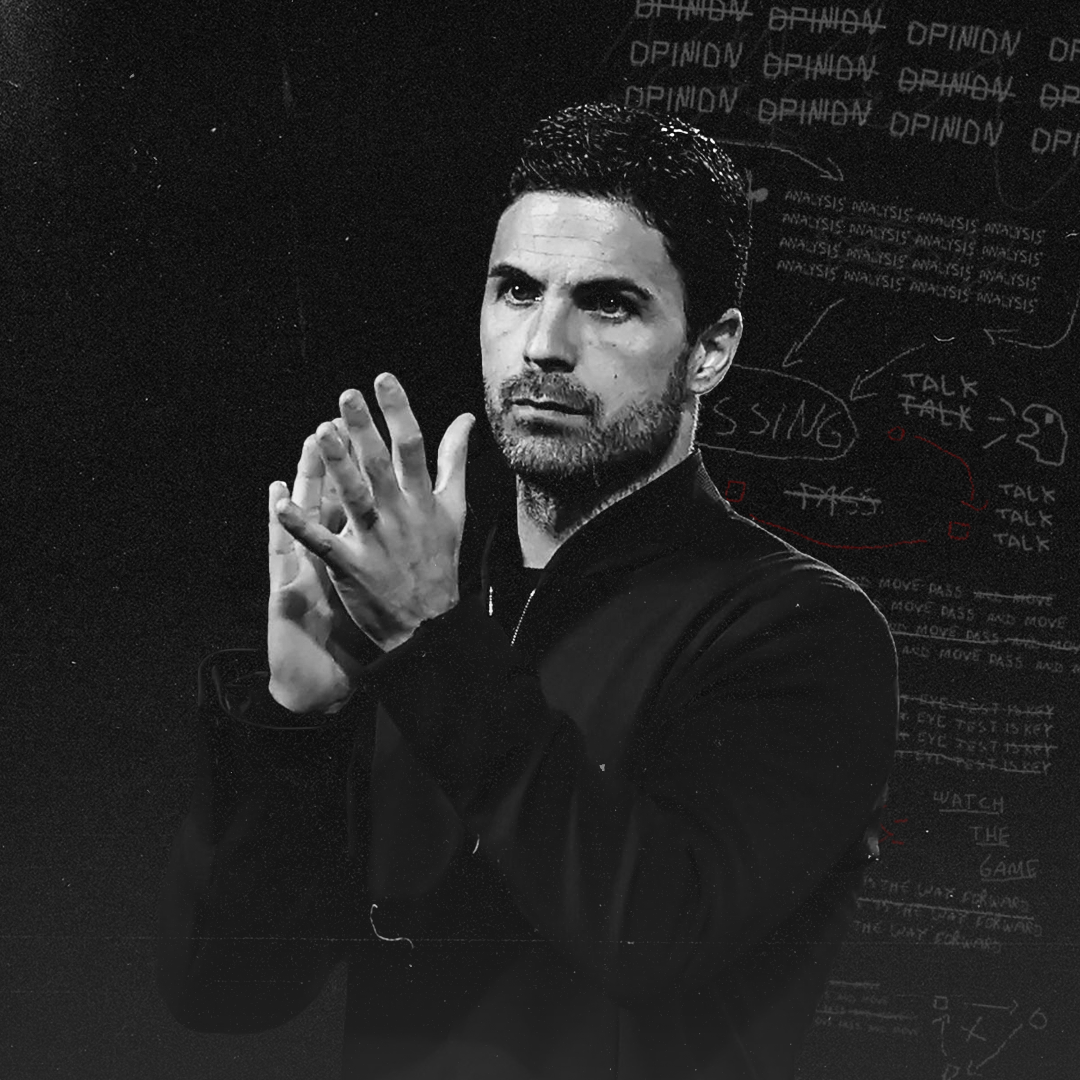
Heart Problems, No Chance at Barcelona, and Arsenal’s Rebuild — The Career of Mikel Arteta
The story of Mikel Arteta started with serious health issues, but his passion for soccer won in the end. At 15, he left home to chase his dream. At 20, he faced reality. By 30, he became a leader at Arsenal — the same club he now manages. After years of working under Pep Guardiola and leading a major rebuild at the Emirates, Arteta now sets his own rules. He’s not just coaching — he’s reshaping the club’s identity.
Growing Up with Xabi Alonso and Learning at FC Barcelona
Arteta grew up in the Antiguo district of San Sebastián. Sun, ocean, and a soccer ball — the perfect combo. But behind that carefree life was a serious issue. From birth, his blood didn’t circulate properly, which affected his heart.
At age two, he had surgery — the scar is still visible today. Despite this, Arteta never gave up on his dream of playing soccer. Once his health improved, doctors cleared him to play seriously.
His first team was a small local club called Antiguoko, where he trained alongside Xabi Alonso. Their youth coach once said Arteta stood out even more:
“He was like Lionel Messi. If you watch Messi as a kid, you’ll see similarities. Arteta could read the game several steps ahead, like he was watching from above. He was always thinking. He would come up to me and say, ‘They’re playing 4-4-2 or 4-3-2-1.’ Even back then, he was analyzing tactics.”
If you enjoy excitement and licensed games, check this out — Red Dog casino online for real money, where there’s always plenty of fun.
La Masia and the Barcelona Dream
In July 1997, three cars left San Sebastián heading to Catalonia. Inside were 15-year-olds, including Arteta. After a one-week trial, all of them earned contracts and joined La Masia.
Life there wasn’t easy — shared rooms with 10–12 beds and a strict routine broke many players. But Arteta adapted quickly. On his first day, he met Pepe Reina, and they shared a bunk bed for three years. Among his teammates were Andrés Iniesta and Víctor Valdés.
Every season, Barcelona cut 6–7 players and replaced them with new talents. Arteta survived every round and made it to Barcelona B. Playing in midfield, he stood out for his quick thinking and high intensity. Coaches said that despite being naturally quiet, he had strong confidence inside.
In the late ’90s, Arteta started training with the first team under Louis van Gaal, alongside stars like Luís Figo, Patrick Kluivert, Rivaldo, and Luis Enrique.
But breaking into the starting lineup was almost impossible. The midfield was overcrowded — Arteta had to compete with Guardiola, young Xavi, and Iniesta. In 2000, new coach Lorenzo Serra Ferrer brought in even more midfielders like Emmanuel Petit and Iván de la Peña.
Despite his talent, Arteta never played an official match for Barcelona’s first team — he had to build his career outside Spain.
Working with Guardiola and Attention to Detail
Right after retiring, 34-year-old Arteta became an assistant to Guardiola at Manchester City. The two quickly built a strong connection.
“Sometimes just one look was enough to understand each other,” Arteta said.
The 2016/17 season was Guardiola’s only trophyless year at City. Many doubted whether he could adapt to English football. Meanwhile, Arteta was quietly studying everything at the club — from analytics to medical departments.
He convinced Guardiola to rethink transfer strategy based on squad balance — something that later helped build a dominant team that won multiple titles. He also pushed the idea that set pieces were underrated and personally brought in specialist Nicolás Jover.
On top of that, Arteta created an 80-page scouting document for the entire City Football Group, detailing the requirements for every position in Guardiola’s system.