

How Pest Control Supports Property Longevity by Protecting Structural Materials and Home Systems
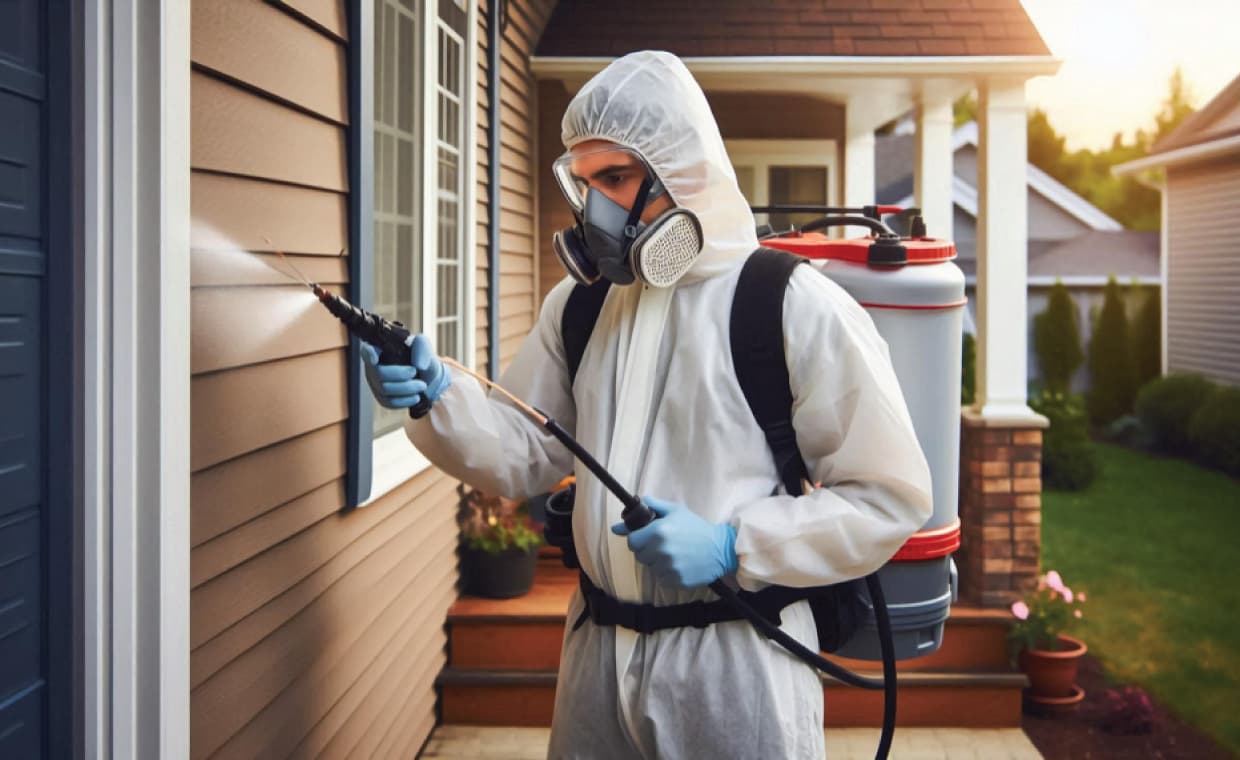
Every home depends on the strength of its structure and the reliability of its essential systems. When these components remain intact, the property functions efficiently, maintains comfort, and experiences fewer long-term issues. However, many homeowners overlook how vulnerable their property is to hidden damage caused by pests. Rodents, insects, and other intrusive species affect far more than visible areas, often weakening materials and disrupting systems that support daily life. These issues develop quietly over time, making proactive care essential.
This is why many households turn to CURA Termite & Pest Control when thinking about long-term protection strategies. Pest Control serves as a preventative measure that goes beyond removing pests and contributes to the preservation of the home itself. By addressing the presence of pests early and preventing access to sensitive areas, professional services help ensure that structural components remain stable. Instead of focusing solely on pest removal, this approach reinforces the longevity of the property.
Understanding how Pest Control protects the foundational elements of a home reveals why it should be considered part of a long-term maintenance plan. When pests are prevented from accessing critical areas, the entire structure benefits from enhanced durability.
Protecting Insulation From Damage and Efficiency Loss
Insulation plays a vital role in regulating indoor temperatures and improving energy efficiency. Unfortunately, many pests view insulation as a convenient nesting material or a warm place to hide. Rodents tear through insulation, compress it, and disrupt its ability to function. Insects may also infiltrate wall cavities where insulation is stored.
Pest Control helps protect insulation by closing entry points, reducing nesting opportunities, and preventing long-term degradation. When insulation remains intact, heating and cooling systems work more efficiently and operating costs stay manageable. Preserving insulation also supports comfort throughout the year.
Keeping insulation in good condition contributes to overall property performance.
Preventing Electrical Hazards Caused by Chewing and Gnawing
Rodents are notorious for chewing through electrical wires. This behavior not only disrupts home systems but also creates serious fire hazards. Damaged wiring can lead to outages, malfunctioning appliances, and unsafe electrical conditions.
Pest Control identifies where rodents may access electrical pathways and prevents further damage. By reducing rodent activity and blocking entry points near utility lines, homeowners protect their wiring and avoid costly electrical repairs. Maintaining safe electrical systems plays a critical role in long-term home safety.
Electrical preservation depends on addressing pest activity early.
Protecting Plumbing Systems From Leaks and Moisture Damage
Pests frequently infiltrate areas around plumbing systems, particularly where pipes enter walls or floors. Rodents gnaw on plastic pipes, and insects occupy moisture-prone areas, weakening surrounding materials. Over time, these issues lead to leaks, soft drywall, mold growth, and structural deterioration.
Pest Control reduces this risk by targeting pest populations that are attracted to moisture and warm pipe areas. By preventing access and managing environmental conditions, professionals help protect plumbing infrastructure. This contributes to a more reliable and durable home environment.
Stable plumbing systems support both cleanliness and structural integrity.
Reducing Damage to Ventilation and HVAC Components
Ventilation systems and HVAC components rely on clean airflow to function properly. When pests infiltrate these areas, they leave behind debris, nesting materials, and contaminants that disrupt performance. Birds, rodents, and insects often block vents or damage ducts, reducing system efficiency and increasing energy costs.
Pest Control helps safeguard these systems by identifying vulnerable access points and preventing pest intrusion. When vents and ducts remain free from obstruction, HVAC systems operate more efficiently and experience less strain. This enhances both indoor air quality and system longevity.
Healthy airflow systems improve comfort and reduce mechanical wear.
Preserving Foundation Materials From Destructive Activity
Foundations are designed to support the entire weight of the home, but they can be compromised when pests find their way into cracks or gaps. Burrowing pests disturb soil around the foundation, while rodents and insects take advantage of small openings in search of nesting areas or moisture.
Pest Control protects foundation materials by reducing pest activity around the perimeter of the home. Professionals also monitor landscape conditions that may attract pests to foundation areas. Preventing pest activity near the structure helps maintain stability and reduces the risk of long-term foundation concerns.
Foundation protection strengthens the overall health of the property.
Securing Storage Areas and Preventing Material Loss
Attics, basements, and garages often house valuable belongings, seasonal items, and building materials. These areas are particularly vulnerable to pest activity due to their low traffic and accessible structural gaps. Rodents chew through boxes, wiring, and stored materials, while insects may establish colonies in dark, undisturbed spaces.
Pest Control helps protect storage areas by minimizing pest access and eliminating attractants. By reducing activity in these regions, homeowners can preserve stored materials and avoid costly losses. This also helps maintain the cleanliness and organization of important storage zones.
Protecting storage areas enhances both order and safety.
Preventing Damage to Exterior Structural Elements
Exterior structures such as decks, fences, and sheds experience significant wear when pests begin to nest in or chew through wood. Insects may burrow into the material, while rodents create pathways beneath outdoor structures. With time, these issues weaken the durability of exterior installations.
Pest control provided by CURA Termite & Pest Control offers preventative solutions that address pest activity near outdoor structures. By reducing populations and removing access points, exterior elements remain strong and visually appealing. This supports property value and reduces the frequency of repairs.
Protecting exterior components contributes to long-lasting outdoor spaces.
Maintaining Landscape Health and Soil Stability
Pests can also affect landscaping, which in turn influences the home’s structural stability. Burrowing pests may disrupt soil levels, while insects damage trees and shrubs that help support soil integrity. Damaged landscapes affect drainage patterns and can indirectly influence the home’s foundation.
Pest Control helps maintain landscape health by addressing pest species that affect soil and plant life. Stable landscaping contributes to proper drainage and reduces structural risks that arise from soil shifts or erosion.
Healthy landscapes support long-term property stability.
Preserving Air Quality by Preventing Contaminant Spread
When pests inhabit interior spaces, they leave behind droppings, shed skin, nesting debris, and airborne contaminants. These materials infiltrate ventilation systems and reduce indoor air quality, which can affect comfort and health.
Pest Control reduces this risk by eliminating pest activity and cleaning contaminated areas. When pest presence is addressed promptly, indoor environments remain cleaner and safer for occupants.
Air quality preservation depends on consistent pest management.
Conclusion
Protecting a home’s structure and systems requires more than routine maintenance. Pest Control supports the long-term health of the property by safeguarding insulation, wiring, plumbing, ventilation, foundations, storage areas, and landscaping. With help from CURA Termite & Pest Control, homeowners gain access to preventative services that strengthen structural longevity and improve overall system reliability. When pest management becomes part of a long-term maintenance plan, homes remain more durable, efficient, and comfortable for years to come.