
Image to Image AI Workflow: From Static Pictures to Dynamic Visual Content
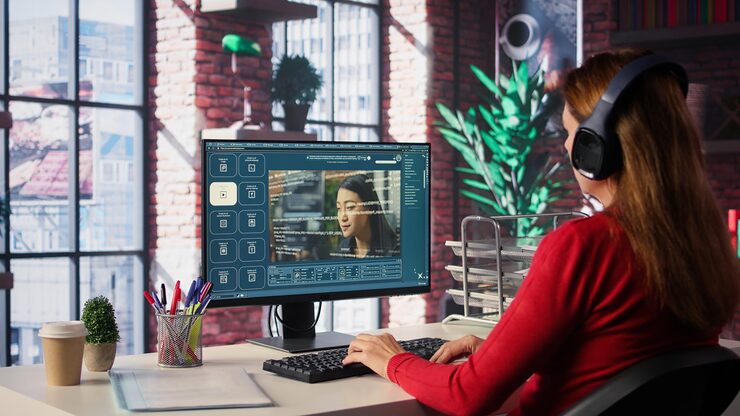
Artificial intelligence has opened a new chapter in digital creativity. One of the most influential innovations in recent years is image to image AI, a technology that allows users to transform an existing image into a completely new version while maintaining the original structure. Instead of starting from scratch, creators can upload a photo and generate multiple styles, enhancements, or variations within seconds.
What makes this technology even more powerful is the addition of animate image AI capabilities. By enabling users to animate image content, AI transforms static visuals into engaging motion-based experiences. This combination of transformation and animation is reshaping how designers, marketers, and content creators produce visual content.
This article explores the workflow, benefits, and future of image to image AI, as well as how animation features are enhancing creativity.
What Is Image to Image AI?
AI Image to image refers to artificial intelligence models designed to convert one image into another. Unlike text-to-image tools, which generate visuals from descriptions, image to image AI uses an uploaded image as the foundation. The AI analyzes the composition, colors, lighting, and objects, then applies a new style or transformation.
For example, a single photo can be converted into:
- A cinematic-style image
- A cartoon illustration
- A digital painting
- A futuristic design
- A retro or vintage photo
All of these variations maintain the original layout, making the results consistent and recognizable.
The Importance of Animate Image AI
While static transformations are useful, modern digital platforms favor motion. This is why animate image AI is becoming increasingly popular. The ability to animate image content directly from a still photo allows creators to produce more engaging visuals.
When you animate image content using AI, you may see:
- Subtle facial expressions
- Eye blinking or smiling
- Moving clouds or water
- Flowing hair or clothing
- Gentle camera motion
These animations enhance user engagement and make visuals more interactive.
How Image to Image AI Works
The workflow of image to image AI is simple and efficient.
Step 1: Upload Your Image
Users start by uploading a photo or illustration.
Step 2: AI Analysis
The system detects objects, colors, depth, and structure.
Step 3: Apply Transformation
A new style or modification is applied.
Step 4: Generate Output
The transformed image is created.
Step 5: Optional Animation
With animate image AI enabled, motion effects are added.
This process usually takes only seconds.
Benefits of Image to Image AI
Image to image AI offers numerous advantages:
- Quick transformation of images
- No advanced editing skills required
- Multiple variations from one image
- Consistent composition
- Integration with animate image AI
- Reduced production time
These benefits make AI-powered tools accessible to everyone.
Why Animate Image Content Matters
The ability to animate image content provides several key advantages.
Increased Engagement
Animated visuals capture attention more effectively.
Better Storytelling
Motion adds emotion and context.
Faster Production
AI generates animation automatically.
Versatile Content
Users can create both static and animated visuals.
Improved Marketing Performance
Animated visuals increase click-through rates.
Popular Applications
Image to image AI is widely used across industries.
Social Media Content
Creators generate unique visuals quickly. Using animate image AI increases engagement.
Marketing and Advertising
Businesses transform product photos and create animated promotional content.
Digital Art
Artists experiment with new styles without recreating compositions.
Photography
Photographers enhance lighting and colors automatically.
Education
Animated visuals help explain concepts more effectively.
Image to Image AI for Businesses
Businesses benefit significantly from image to image AI.
Common applications include:
- Product image variations
- Website banners
- Social media ads
- Marketing graphics
- Email campaign visuals
Adding animate image AI makes these visuals more dynamic and appealing.
Best Practices for Using Image to Image AI
To achieve the best results:
- Use high-resolution images
- Keep subjects clear
- Avoid cluttered backgrounds
- Experiment with different styles
- Use animate image AI for subtle motion
- Generate multiple outputs
These tips help improve quality.
Challenges and Limitations
Although powerful, image to image AI still has some limitations:
- Complex scenes may produce inconsistent results
- Animation may be limited to short sequences
- High-resolution outputs may take longer
- Customization options vary
However, AI models continue to improve.
The Future of Image to Image AI
The future of image to image AI looks promising. Upcoming developments include:
- Real-time transformations
- More realistic animate image AI motion
- Higher resolution outputs
- Longer animation sequences
- Integration with video generation
- AI-driven storytelling tools
These advancements will expand creative possibilities.
Image to Image AI for Content Creators
Content creators benefit greatly from AI-powered workflows. They can:
- Generate multiple visual styles
- Animate image content easily
- Maintain consistent branding
- Create engaging thumbnails
- Experiment with creative ideas
This efficiency allows creators to focus on storytelling.
Combining Transformation and Animation
The combination of image to image AI and animate image AI creates a powerful workflow. Users can transform images into new styles and then animate image content.
This workflow is ideal for:
- Social media posts
- Marketing campaigns
- Digital storytelling
- Website visuals
- Educational materials
The ability to transform and animate images quickly is reshaping digital creativity.
Why Image to Image AI Is Essential Today
Visual content dominates online communication. Static images alone often fail to stand out. Image to image AI provides a solution by enabling rapid transformations and animations.
With animate image AI, anyone can create engaging visuals without advanced skills.
Conclusion
Image to image AI is revolutionizing visual content creation. By transforming existing photos into new styles, users can generate high-quality visuals quickly. The addition of animate image AI allows creators to animate image content, turning static visuals into dynamic experiences.
As artificial intelligence continues to evolve, image to image AI will become even more powerful. The integration of transformation and animation is shaping the future of digital creativity, making it easier than ever to produce engaging and professional visual content.