

Sustainable Innovation in Modern Box Packaging
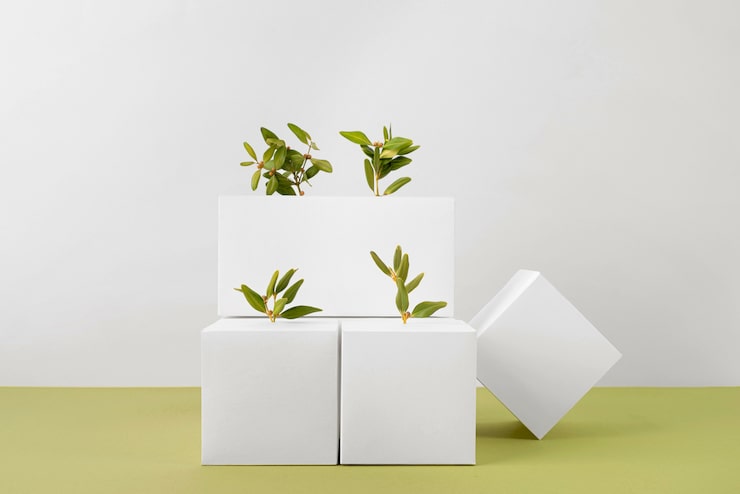
Step into a grocery store or take any product out of its box with an online delivery and you will see a change. Gone are the days of anything packed in unnecessary plastic and bloated cardboard. Nowadays, the theme of manufacturing companies is not just “sustainable”. It goes much deeper than merely using recycled paper.
Sustainable innovation and modern box packaging: Welcome to both. It is not enough any more to be “green” just for the sake of global warming; this is business process combined with design intelligence and also a memorable experience for your customers.
Let’s take a closer look at how this industry is changing and why it matters to your brand.ะ
Drive To ‘Green’ Material
Probably the most significant change we see is in the raw materials themselves. For generations, the purpose of box packaging was to create something both rugged and cheap–using often virgin plastics and nonrenewable resources. Today, with sustainable innovation we must look at entire lifecycle of box as material.
We are starting to see a massive rise of materials such as mushroom packaging (known as mycelium) and agricultural waste fibres. Off wheat straw or bagasse (sugar cane waste) can be made into boxes in the future. These old things that used no longer have any value are now being turned into durable, biodegradable packaging solutions.
Moreover, the shift towards mono-materials is a game-changer. In the past, a juice box might have been made with paper, plastic, and aluminum laminated together. This made it unrecyclable. Now, there is an emphasis on creating barriers and protection along one material line only-usually paper or a certain plastic-so that consumers could toss the entire box into recycling bin without any second thoughts.
Designing for the Circular Economy
Sustainable innovation is not merely about the stuff a box is made out of; it’s also about how one puts the box together. We move from a “take-make-dispose” model towards a circular one. Which means doing a box that can be easily repurposed or broken up.
Now think about simple bespoke packaging. Companies realize that a smaller box with less air (or in industry jargon, a higher “product-to-package ratio”) saves money on shipping and eliminates waste. That requires clever engineering to ensure the product fits snugly, with no extra padding like Styrofoam peanuts.
The other big trend is water-soluble adhesives and soy-based inks. In traditional packaging, more often than not petroleum-based inks and glues contaminated the recycling process. Now, with innovative inks and adhesives, the whole box can be recycled onto new paper free of any toxic residue. This attention to detail is what separates genuine sustainability from simple “greenwashing.”
Smart Technology and Consumer Engagement
A modern box is also becoming smarter. This can be seen in the integration of QR codes and NFC chips printed directly onto the cardboard box using water-based, sustainable inks. Packaging now tells a story.
A consumer can scan the box and find out exactly where the materials came from. How the item was made and finally how they should recycle this box. This transparency guarantees trust. What’s more, some pioneers in the field are looking at special food products that use edible packaging; another practical innovation is active packaging which absorbs oxygen or moisture to keep food fresh longer. By prolonging the shelf-life of what is inside, the packaging itself is preventing food wastage. And that is a huge win for the environment.
The Business Case for Sustainable Boxes
Sometimes You Pay More
You might think, “I know using sustainable paper is more expensive?” At first, some sustainable alternatives appear more expensive. But if the long-term benefits are considered carefully, then,in fact,investment will really pay off. More lightweight boxes mean less air. Innovative packaging saves on shipping costs altogether.
Brands that share their values with their clients are seeing increased consumer loyalty. A 2023 study demonstrated that a large share of consumers, especially Generation Z who are known for their desire for social justice and awareness of environmental problems, are willing to pay a higher price for eco-friendly packaging.
Innovation and sustainability in the modern package protect your product through shipping, protect the planet at disposal time and protect your brand in that very crowded market – that’s a triple play.
The Future is Here
From boxes designed to be returned to the manufacturer to plantable packaging embedded at time of manufacture with seeds, the future of the box is thrilling. Now we are moving towards a world where there is no such thing as “rubbish,” because everything for which we’ve had use can be used again. Established enterprises and people know this.
Whether you are a business owner or a client, this is the path ahead. Next time you hold a beautifully designed, solid but easily recyclable box, thank whoever developed the engineering behind it and thought about how to make it green. It ‘s not just a container: it represents lifestyle.