
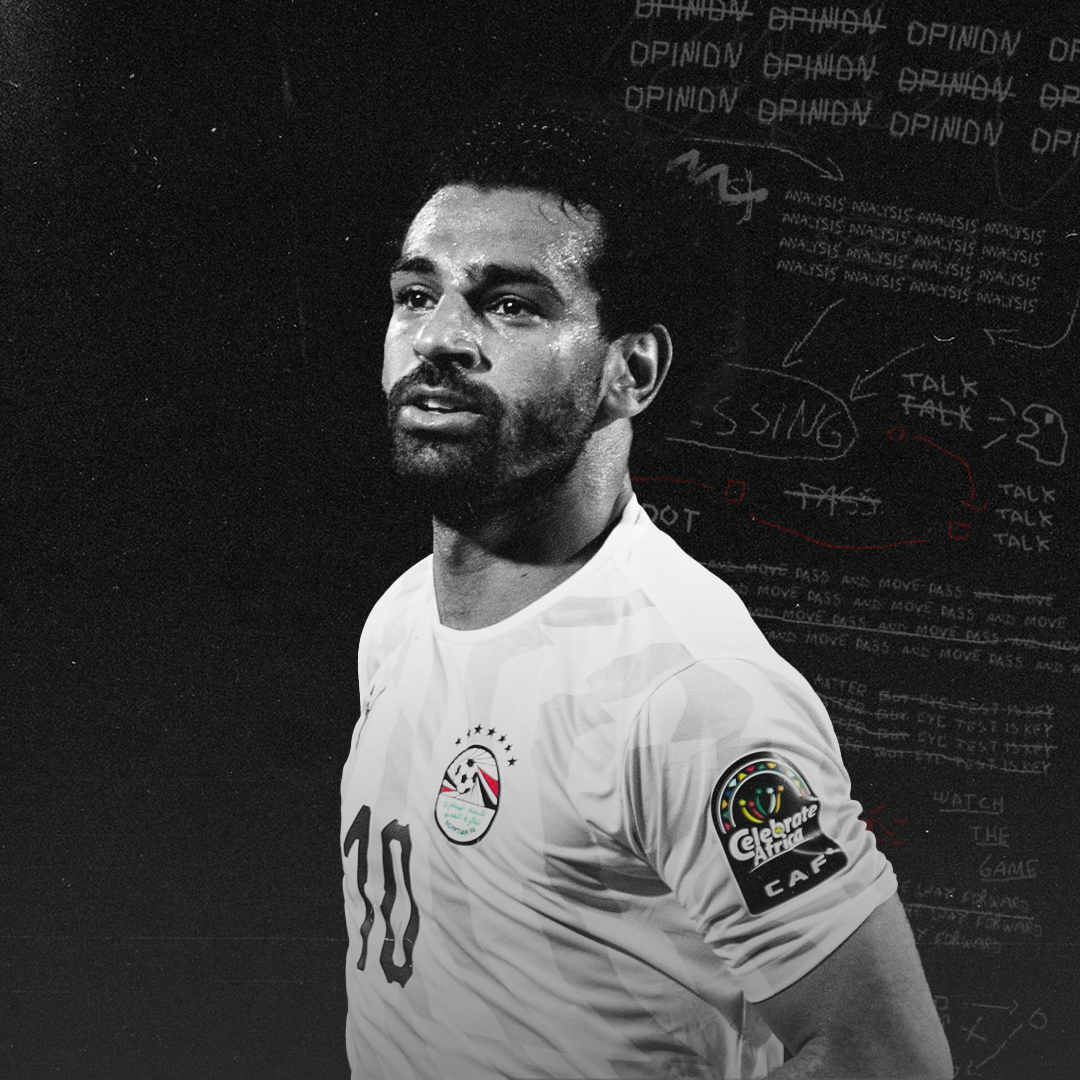
The Broken Bond: Slot, Salah, and Liverpool’s Cold War
The image was stark, almost cinematic in its cruelty. Elland Road, December 2025. The final whistle had just blown on a chaotic, rain-soaked 3-3 draw that felt less like a point gained and more like a title challenge evaporating in the West Yorkshire mist. As Arne Slot walked onto the pitch to offer the customary handshakes to his players, Mohamed Salah – fresh from a 15-minute cameo that yielded zero touches in the opposition box – walked straight past him.
There was no eye contact. There was no acknowledgment. Just a fixed stare towards the tunnel and a muttering that the cameras couldn’t quite catch, but which lip-readers and social media forensic teams have been dissecting ever since.
That moment, combined with Salah’s incendiary “throwing me under the bus” comments in the mixed zone regarding the manager’s tactical setup, turned a simmering tactical headache into a full-blown civil war.
Now, in late January 2026, with Salah returning from a disappointing AFCON campaign and Liverpool languishing 14 points behind Arsenal, the club finds itself at a precipice. The “Slot Era” was supposed to be about control, structure, and evolution. Instead, it has become defined by a high-stakes power struggle between the new regime’s philosophy and the old regime’s King.
The Leeds Flashpoint: A Symptom, Not a Cause
To pin the current malaise entirely on the Elland Road incident would be lazy analysis. That touchline snub was simply the eruption of a volcano that has been rumbling since August.
Arne Slot’s system – “Slotball,” as the international press dubbed it – relies on total universality. It demands wingers who are essentially wide playmakers, tasked with holding extreme width to stretch low blocks and, crucially, pressing with the intensity of a defensive midfielder when possession is lost. It is a system built for the likes of Cody Gakpo, who has the engine of a box-to-box midfielder, or the indefatigable Dominik Szoboszlai.
It is not, and perhaps never was, a system built for a 33-year-old Mohamed Salah.
The statistics from the first half of the 2025/26 season paint a worrying picture for the Egyptian. Salah’s “Pressures in the Final Third” have dropped to a career low. His isolation touches – those moments where he receives the ball 1v1 against a full-back – have decreased significantly, while his turnover rate in transition has spiked. When Slot made the bold call to bench him for three consecutive games in December, including the crucial trip to Newcastle, it wasn’t an act of petulance; it was a tactical necessity. The metrics showed that the team simply looked more cohesive, more Slot-like, without him.
But you cannot bench a deity without consequences. The fallout destabilised the dressing room right when the team needed unity. Since that Leeds draw, Liverpool have won just once in the league. The “Cold War” between manager and star has sucked the oxygen out of the AXA Training Centre, creating factions in a squad that used to be famous for its brotherhood.
A Metaphor for the Crisis
There is a dark, almost poetic irony in the fact that one of the club’s most prominent commercial partnerships right now is the official Liverpool Football Club online slots game. Liverpool is the only Premier League football club with such a partnership, and according to Sister Site, which keeps track of everything related to UK casinos, it’s a very popular one.
If you load it up, you see the branding of the glorious past: the trophies, the smiling faces, the certainty of success. But the mechanic of any slots game is built on volatility. You spin, you hope, and usually, the house wins. The thrill comes from the risk, but the mathematics are designed to punish the gambler who doesn’t know when to walk away.
Right now, Fenway Sports Group (FSG) are playing their own version of this game, but the stakes are far higher than a 20p spin. By backing Slot over Salah in the December dispute – refusing to sanction a January exit despite the Saudi Pro League’s renewed interest – they have pushed all their chips onto the manager’s number.
It’s a massive gamble. They are betting that Slot can reintegrate a disillusioned superstar who has six months left on his deal (if the option isn’t triggered). They are betting that Salah, a player driven by pride and records, will not down tools to protect his fitness for a summer move. And most dangerously, they’re betting that the “House Edge” – the structural integrity of the club – is strong enough to survive the departure of its greatest modern player without collapsing.
The Tactical “Square Peg”
The issue remains on the grass. With Salah back from the AFCON, Slot faces an impossible choice for the upcoming fixtures.
If he restores Salah to the starting XI, he compromises the high-pressing structure that is the only way to catch Arsenal or even a stumbling Manchester City side. Salah simply doesn’t have the legs to press for 90 minutes in this system anymore. He becomes a luxury passenger in a vehicle designed for utility. Furthermore, playing him sends a message to the rest of the squad that reputation matters more than adherence to the tactical plan.
If he leaves him on the bench, the media circus returns. The cameras will be trained on the dugout every time Liverpool fail to score or struggle to break down a low block. The fans, many of whom side with the player who brought them the Champions League and the Premier League title, will turn on the manager. The Anfield atmosphere, already toxic in recent weeks, could turn mutinous.
The Looming Divorce
With a move in the summer transfer window almost certain (probably to the Saudi Pro League), the reality is that this marriage is effectively over; we’re just arguing about who keeps the house and who gets custody of the memories.
For Arne Slot, the rest of this season is an audition not for the title, but for his own survival. If he cannot find a way to get a tune out of Salah – or find a way to win convincingly without him – he might not be the one making the decisions come June. Managers have been fired for less than losing the dressing room.
Liverpool are spinning the reels one last time. But looking at the body language between the manager and the winger in training this week – the distance, the lack of smiles, the business-like interactions – it feels like they’re already out of credits.
The King is dead. Long live the… well, nobody quite knows what comes next. And that’s the terrifying part.