

The Cost of Water Heater Repair Explained
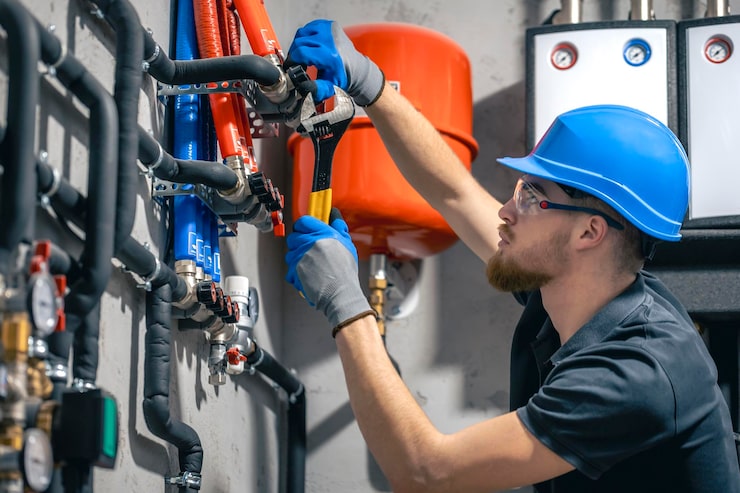
A functioning water heater is one of those home essentials you don’t think much about—until something goes wrong. Whether it’s a sudden lack of hot water, strange noises, or a leaking tank, repairs can quickly become a concern not only for comfort but also for your budget. Understanding the cost of water heater repair can help you make informed decisions, avoid unnecessary expenses, and extend the life of your unit.
In this detailed guide, we’ll break down everything you need to know about water heater repair costs, the factors that influence pricing, common issues, and how to decide whether repair or replacement is the better option.
Why Water Heater Repairs Can Vary in Cost
Water heater repair costs are not fixed. They can range anywhere from a minor expense to a significant investment depending on several factors. The type of water heater you have, the severity of the issue, and labor charges in your area all play a role in determining the final price.
For example, a simple thermostat replacement might cost much less than repairing a leaking tank or replacing a heating element. Additionally, older systems may require more extensive repairs, increasing the overall cost.
Common Water Heater Problems and Their Costs
Let’s take a closer look at some of the most common water heater issues and what they typically cost to fix.
1. Heating Element Failure
One of the most frequent issues in electric water heaters is a faulty heating element. If your water isn’t getting hot enough or not heating at all, this could be the culprit.
- Estimated Cost: Moderate
- What’s Involved: Replacing one or both heating elements
- Time Required: Usually under 2 hours
This is generally a straightforward repair, making it one of the more affordable fixes.
2. Thermostat Issues
If your water temperature fluctuates or doesn’t reach the desired level, the thermostat may be malfunctioning.
- Estimated Cost: Low to moderate
- What’s Involved: Diagnosing and replacing the thermostat
- Time Required: 1–2 hours
Thermostat replacements are relatively inexpensive and can significantly improve performance.
3. Leaking Tank
A leaking water heater is a more serious issue. Leaks can occur due to corrosion, loose valves, or cracks in the tank.
- Estimated Cost: High
- What’s Involved: Repairing fittings or replacing the tank
- Time Required: Several hours or more
If the tank itself is leaking, replacement is often the only viable solution.
4. Sediment Build-Up
Over time, minerals from hard water accumulate at the bottom of the tank, reducing efficiency and causing noise.
- Estimated Cost: Low to moderate
- What’s Involved: Flushing the tank
- Time Required: 1–2 hours
Regular maintenance can prevent this issue and extend the lifespan of your heater.
5. Pilot Light or Ignition Problems
For gas water heaters, a faulty pilot light or ignition system can prevent the unit from heating water.
- Estimated Cost: Moderate
- What’s Involved: Cleaning, adjusting, or replacing components
- Time Required: 1–2 hours
These repairs require professional expertise to ensure safety.
Factors That Influence Repair Costs
Several variables can impact how much you’ll pay for water heater repairs:
Type of Water Heater
- Tank vs. Tankless: Tankless systems are more complex and often cost more to repair.
- Gas vs. Electric: Gas heaters may require additional safety measures, increasing labor costs.
Age of the Unit
Older units tend to break down more frequently and may require hard-to-find parts, which can increase costs.
Extent of Damage
Minor issues are cheaper to fix, while major problems like leaks or corrosion can lead to higher expenses.
Labor Costs
Labor rates vary depending on your location and the experience of the technician. Emergency or after-hours services can also increase costs.
Repair vs. Replacement: What’s the Better Option?
At some point, you’ll need to decide whether it’s worth repairing your water heater or replacing it altogether.
When to Repair
- The unit is less than 8–10 years old
- The issue is minor and inexpensive
- The system has been well-maintained
When to Replace
- The unit is over 10–12 years old
- Repairs are frequent and costly
- Energy efficiency has significantly declined
- The tank is leaking
A general rule of thumb is the “50% rule”: if the repair cost is more than 50% of the price of a new unit, replacement is usually the better investment.
How to Save Money on Water Heater Repairs
Repair costs can add up, but there are ways to minimize expenses:
Regular Maintenance
Flushing your tank annually and checking components can prevent major issues from developing.
Address Problems Early
Ignoring small issues can lead to bigger, more expensive repairs down the line.
Hire Qualified Professionals
Choosing experienced technicians ensures the job is done correctly the first time. Many homeowners trust services like Doctor Water Heater NJ for reliable diagnostics and repairs.
Consider a Maintenance Plan
Some service providers offer maintenance plans that include regular inspections and discounts on repairs.
The Hidden Costs of Ignoring Repairs
Delaying water heater repairs can lead to more than just inconvenience. It can also result in:
- Increased energy bills due to inefficiency
- Water damage from leaks
- Reduced lifespan of the unit
- Potential safety hazards, especially with gas heaters
Addressing issues promptly not only saves money but also ensures your home remains safe and comfortable.
Final Thoughts
Water heater repair costs can vary widely depending on the issue, the type of system, and other influencing factors. By understanding common problems and their associated costs, you can make smarter decisions and avoid unnecessary expenses.
Whether it’s a simple thermostat replacement or a more complex repair, staying proactive with maintenance and seeking professional help when needed can go a long way in keeping your water heater running efficiently for years to come.
Investing in timely repairs today can save you from costly replacements tomorrow—making it well worth the effort to stay informed and prepared.