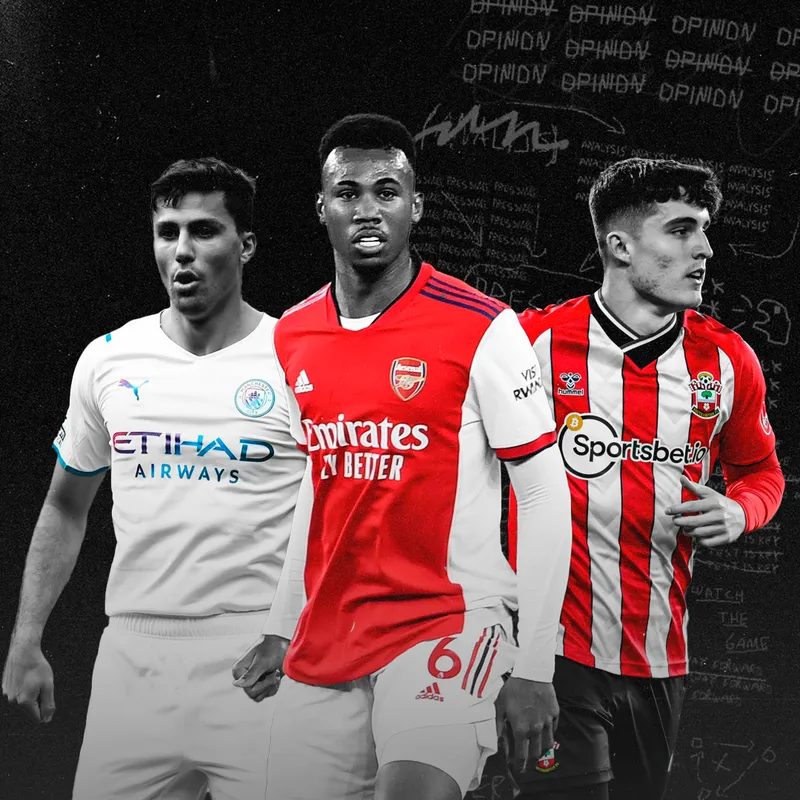
The Pre-World Cup Rotation Window: Why Late-Season Fixtures Deserve a Closer Look
Club managers protecting key players ahead of a major international tournament creates a genuine and recurring market dynamic. Understanding how squad rotation in World Cup years affects late-season fixtures (and what that means for anyone…

Club managers protecting key players ahead of a major international tournament creates a genuine and recurring market dynamic. Understanding how squad rotation in World Cup years affects late-season fixtures (and what that means for anyone placing a sport bet during this window) is one of the more practically useful edges available before the 2026 tournament begins.
When a major international tournament is six to eight weeks away, club managers face a specific set of competing priorities. Domestic results still matter: league positions, European qualification and relegation battles all have real consequences. But the calculus around player welfare shifts significantly when a hundred-million-pound asset is four weeks away from representing their country on the world's largest stage.
The informal communication between club and international management is well documented. A national coach's preference for a player arriving fresh rather than carrying a knock is a real factor in how clubs manage their squads through May. The result is a late-season pattern where heavily international squads field rotated lineups in fixtures that the pre-match market has priced based on full-strength assumptions. For anyone placing a sport bet on late-season domestic fixtures during a World Cup year, understanding this rotation dynamic is a more useful analytical framework than relying purely on season-long form and historical head-to-head data.
Why Standard Data Models Miss This
Football analysis has developed sophisticated statistical frameworks over the past decade. Expected goals, pressing intensity, defensive line metrics and possession models all provide genuine insight into team performance across a full season.
The limitation of these models in late May is straightforward: they measure the team that generated the data across the season, not necessarily the team that will take the pitch on a given matchday. A sport bet placed on a heavy favorite based on October-to-April performance data is implicitly assuming the same squad, the same intensity and the same tactical execution. In a World Cup year, that assumption requires more scrutiny than usual.
This structural issue mirrors a broader challenge in football evaluation. The Premier League's Scouting Problem identifies exactly how evaluating raw statistical output without understanding the underlying context leads to analytical errors. A principle that applies equally to bettors assessing pre-tournament fixtures using full-season models without accounting for the human and tactical variables that shift as the domestic calendar winds down.
The Motivated Underdog
The counterpart to a rotated favorite is a fully motivated opponent. A mid-table side with nothing prestigious at stake in the final weeks of the season still fields players competing for contract extensions, individual performance bonuses and the attention of potential buyers. Their preparation and intensity levels are not subject to the same preservation calculus affecting squads with large international contingents.
A golden boot winner chasing a scoring title has every reason to play at full intensity through the final matchday. A direct replacement fielded by a rotation-heavy club has every reason to play conservatively in a low-stakes fixture. The motivation differential between the two teams is a variable that the pre-match market does not always fully price when the favorite's reputation and badge recognition continues to attract public money regardless of the announced lineup.
Reading the Team Sheet
The most actionable intelligence in this entire analytical framework arrives in the hour before kickoff. Confirmed lineups shift the relevant variables considerably and markets adjust accordingly but the speed and degree of that adjustment varies.
When a manager names four surprise starters including academy players and fringe squad members, the structural shift in quality, tactical familiarity and physical intensity is immediate and significant. Monitoring confirmed lineups and cross-referencing them against the current market position is a practical approach that requires no predictive modelling, only the discipline to wait for the information before committing to a position.
Live Market Dynamics During Rotation Fixtures
Pre-match analysis sets the framework. Live markets offer additional opportunities for bettors who have prepared their assessment in advance.
A rotated side might begin a fixture with reasonable defensive organization and competitive intensity. As the game progresses and physical reserves deplete among less-conditioned squad players, the performance gap between the two sides often becomes more visible in the second half. Tactical cohesion drops when unfamiliar combinations have limited training time together. Defensive shape can become disorganized as fatigue accumulates among players unaccustomed to ninety-minute demands at top-flight pace.
The live market reflects these shifts in real time, but the bettor who identified the rotation dynamic before kickoff is better positioned to interpret what they are watching than one reacting purely to the score.
A Repeatable Seasonal Pattern
The pre-tournament rotation window is not a one-off opportunity specific to 2026. It recurs at every major international tournament cycle and produces recognizable patterns in late-season domestic fixtures. The clubs most affected are consistently those with the highest concentration of players expected to feature prominently in tournament squads.
Mapping those clubs against their late-season fixture schedule, identifying home and away matchups, the opposition's motivation level and the likely international travel demands on key players, is preparation that can be completed weeks before the fixtures take place. The specific lineup decisions belong to the manager. The broader context is visible well in advance to anyone treating the pre-tournament window as a distinct analytical period rather than standard league football.
Credits
Words
Breaking The Lines