The strategic thinkers redefining game theory
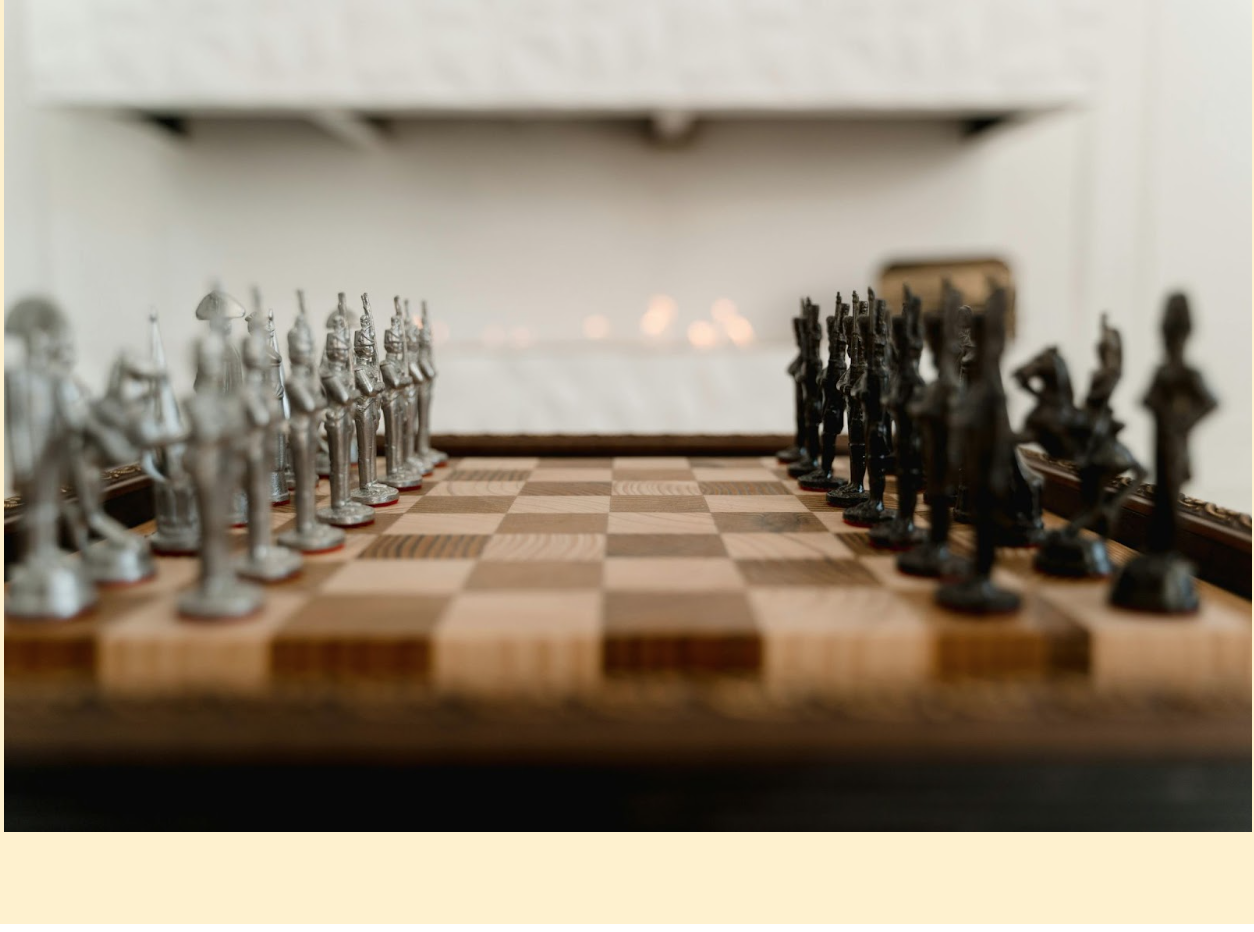
Game theory has guided how we understand competition, teamwork, and smart choices for decades.
Now, a new wave of strategic thinkers is taking these ideas further. They’re combining math, psychology, and insights from real-world experience to create more practical approaches to strategy.
This article looks at how these innovators—from university researchers to professional poker players—are changing the way game theory works in Slovakia and elsewhere.
Whether it’s used at the negotiating table or the poker table, their work is helping organizations and individuals make sharper decisions in an unpredictable world.
Modern strategy: where game theory meets real life
Game theory has stepped out of the classroom and into the heart of Slovak business, sports, and daily decision-making.
It’s not just a mathematical tool anymore—it’s a mindset that guides choices wherever competition or cooperation matter.
Business leaders in Slovakia are applying these principles to outmaneuver rivals and form smarter partnerships. I’ve seen managers use game theory to predict how clients or competitors will respond during negotiations, often with impressive results.
Sports coaches borrow tactics from poker, training athletes to read their opponents’ intentions and adjust on the fly. This approach isn’t about having all the answers—it’s about staying nimble and recognizing patterns as they emerge.
Even personal finance has become more strategic. Whether it’s deciding when to invest or how to negotiate a salary, understanding incentives gives individuals an edge.
If you’re looking to build these skills for yourself, Pokerio Mokykla stands out as a practical resource. Their lessons don’t just cover the math—they focus on reading people, spotting tells, and making decisions under pressure.
This blend of theory and hands-on experience is what sets modern strategists apart in Slovakia’s evolving landscape.
Innovators challenging the old models
Classic game theory gave us frameworks like Nash equilibrium, but it also relied on idealized assumptions—perfect rationality, complete information, and players who never waver. Today’s innovators see the world differently.
They’re bringing new energy to the field by questioning those old certainties. Researchers in Slovakia and worldwide are using real-world data, experimental psychology, and hands-on experience from arenas like poker or business negotiations to reshape game theory’s boundaries.
This shift isn’t just academic. Slovak thinkers are joining a global movement that embraces adaptability, psychology, and even artificial intelligence as essential tools for strategy. The result is a more realistic understanding of competition and cooperation—one that matches the messy complexity of life outside the classroom.
Beyond Nash equilibrium: adaptive and behavioral strategies
Traditional models expect players to act rationally and stick to predetermined strategies. That rarely happens in practice.
Modern researchers are folding in ideas from behavioral economics, focusing on how emotions, risk preferences, and past experiences drive decision-making under uncertainty. In my view, these adaptive approaches fit real-life situations far better than rigid textbook solutions ever could.
By watching how people actually respond to changing stakes or unexpected moves—whether at a poker table or in business—innovators reveal the flexible nature of true strategic thinking.
The role of AI and machine learning in strategic thinking
The arrival of AI has changed how we study strategy. Algorithms can now run thousands of simulated games in minutes, surfacing unexpected outcomes and edge cases that human intuition might miss entirely.
I’ve seen Slovak teams leverage machine learning to predict opponent behavior or optimize negotiation tactics. These tools aren’t just for academics—they’re turning up everywhere from esports tournaments to public policy labs.
The result is a feedback loop: human insight shapes smarter algorithms, while those same systems challenge us to see new possibilities within complex strategic problems.
Game theory in action: from poker tables to policy
Game theory moves beyond abstract math when it’s put to work on real-world problems.
In Slovakia, I’ve seen how strategists—from poker professionals to public officials—are translating theory into action every day.
Whether it’s reading an opponent’s bluff or designing a government policy that balances competing interests, these approaches help people make smarter choices in high-stakes situations.
The country’s top minds are proving that game theory isn’t just for academics. It’s a toolkit anyone can use to navigate complex, competitive environments—on the felt, in the boardroom, or within government halls.
Poker, sports, and the art of bluffing
If you’ve ever watched a poker game in Bratislava or Košice, you know the tension of a well-timed bluff.
Slovak players have learned to weigh risks and read subtle cues at the table—skills that translate directly into sports strategy and business decision-making.
Coaches now teach athletes how to anticipate an opponent’s next move using concepts borrowed straight from poker. I’ve seen business leaders apply similar thinking when negotiating deals or managing teams under pressure.
The mindset of calculated deception and risk assessment turns out to be just as valuable on the football field or in an investor meeting as it is over a stack of chips.
Negotiation and conflict resolution
Game theory has become an essential tool for negotiators across Slovakia.
I’ve watched as business leaders prepare for contract talks by mapping out likely scenarios and identifying points of leverage—a direct application of classic strategy models.
This approach helps negotiators anticipate moves from their counterparts, spot potential deadlocks early, and find win-win solutions more often than not.
The result is fewer costly standoffs and smoother outcomes, whether it’s resolving a labor dispute or hammering out terms with international partners. For Slovak organizations, thinking several steps ahead has become second nature.
Public policy and social good
Government officials are turning to game theory for answers on some of Slovakia’s biggest challenges—from health care resource allocation to energy distribution.
Instead of relying on guesswork or politics alone, they use strategic models to predict how different stakeholders will respond to new policies. That means they can spot unintended consequences before decisions are made public.
I’ve seen this approach improve everything from vaccination campaigns to housing programs. By treating social issues as strategic games with many players and outcomes, Slovak policymakers build fairer systems that benefit more citizens—without breaking the budget.
The future of game theory: collaboration and creativity
Game theory is entering a new chapter, one defined by teamwork across traditional academic lines.
Innovators aren’t just mathematicians or economists anymore. Now, psychologists, computer scientists, and even game designers are in the mix.
Slovak thinkers have started to play a bigger role in these global conversations. You’ll find their work featured at international conferences and in partnerships that stretch from Bratislava to Berlin.
This shift isn’t just about sharing data—it’s about blending creative thinking with technical skill. The result is faster progress on old problems and unexpected breakthroughs in new areas.
Cross-disciplinary teams and global networks
The most exciting advances today come from diverse teams who see challenges from different angles.
When a mathematician joins forces with a psychologist or an AI expert, the way they approach decision-making problems changes dramatically. Instead of rigid models, you get flexible frameworks that reflect how people actually act under pressure.
In Slovakia, academic centers like Comenius University are increasingly involved in these collaborations. Tech companies based in Bratislava are also plugging into international research hubs, accelerating both learning and innovation for everyone involved.
Teaching strategy to the next generation
Strategic thinking isn’t just for theorists anymore—it’s becoming part of the Slovak school experience.
Several universities now offer courses where students tackle real-world problems using game theory tools. Even high school classrooms are experimenting with lessons inspired by games like chess or poker to sharpen critical thinking skills.
This focus on practical learning helps prepare students for everything from negotiations to leadership roles. One thing I’ve noticed is how quickly young people adapt when given the chance to test out strategic ideas instead of just reading about them in textbooks.
Conclusion
The story of game theory is being rewritten by strategic thinkers who mix timeless mathematics with insights from psychology and technology.
In Slovakia and beyond, these innovators are moving the field from the classroom to real-world impact, influencing how we negotiate, compete, and collaborate.
What stands out is their willingness to rethink old assumptions and build on fresh perspectives—whether drawn from poker tables, machine learning labs, or public policy debates.
This creative blend is shaping a new era where strategy becomes more human, practical, and adaptable than ever before.