
The Top 7 Football Playmakers of All Time
Playmakers are the heartbeat of football teams. They dictate tempo, unlock defences, and turn tight matches through vision rather than raw physicality. While goalscorers often grab headlines, the greatest sides in history have almost always relied on a creative genius pulling the strings. Across different eras and tactical systems, a select group of players have defined what it means to be a true playmaker. These seven stand above the rest due to their consistency and ability to shape the biggest matches.
What Defines a Great Football Playmaker
A truly great playmaker is about far more than assists. Vision, spatial awareness, decision making, and composure under pressure are essential qualities. The best creators influence the rhythm of a match, knowing when to slow the game down and when to speed it up. Whether operating as a classic central midfielder or a deeper orchestrator, elite playmakers make those around them better.
Modern football analysis increasingly focuses on numbers and probabilities to measure performance impact. In a similar way to how some people examine statistical edges in activities such as matched betting, analysts study chance creation, expected assists, and progressive passes to understand how a playmaker influences outcomes over time rather than judging isolated moments.
Lionel Messi
Lionel Messi is widely regarded as one of the greatest footballers of all time, and his playmaking ability is a major reason why. Although famous for his goal scoring, Messi has consistently been one of the most creative players in the game. At Barcelona, he often dropped into deeper areas, drawing defenders before releasing perfectly weighted passes.
Messi’s assist totals across La Liga and the Champions League underline his creative influence, but his real impact came from how he controlled matches. By dictating where and when attacks developed, he became the focal point of some of the most dominant teams football has ever seen.
Diego Maradona
Diego Maradona remains the ultimate symbol of individual creativity. His performances during the 1986 World Cup showed what happens when a team is built entirely around a playmaker. Maradona combined dribbling, vision, and bravery to dismantle opponents almost single-handedly.
At club level with Napoli, Maradona elevated an unfancied side to domestic and European success. His playmaking was not just about technical ability but leadership, as he demanded the ball in difficult moments and created opportunities under relentless pressure.
Zinedine Zidane
Zinedine Zidane was the definition of elegance and control. His style of play focused on intelligence rather than speed, enabling him to dominate matches at the highest level. Zidane excelled in major tournaments, delivering decisive performances in World Cups, European Championships, and Champions League finals.
His ability to receive the ball in tight spaces and maintain composure gave his teams control during crucial phases of games. Zidane’s influence as a playmaker was often subtle, but when matches needed clarity, he provided it.
Xavi Hernandez
Xavi Hernandez redefined what it meant to control a football match. At Barcelona and with Spain, he became the central figure in possession based football, dictating tempo through constant movement and precise passing. Xavi’s playmaking was rooted in positioning and awareness rather than flair.
During Barcelona’s most dominant era, Xavi consistently recorded extraordinary pass completion rates while also creating space for teammates. His understanding of angles, timing, and structure allowed his teams to dominate opponents through sustained control rather than moments of brilliance alone.
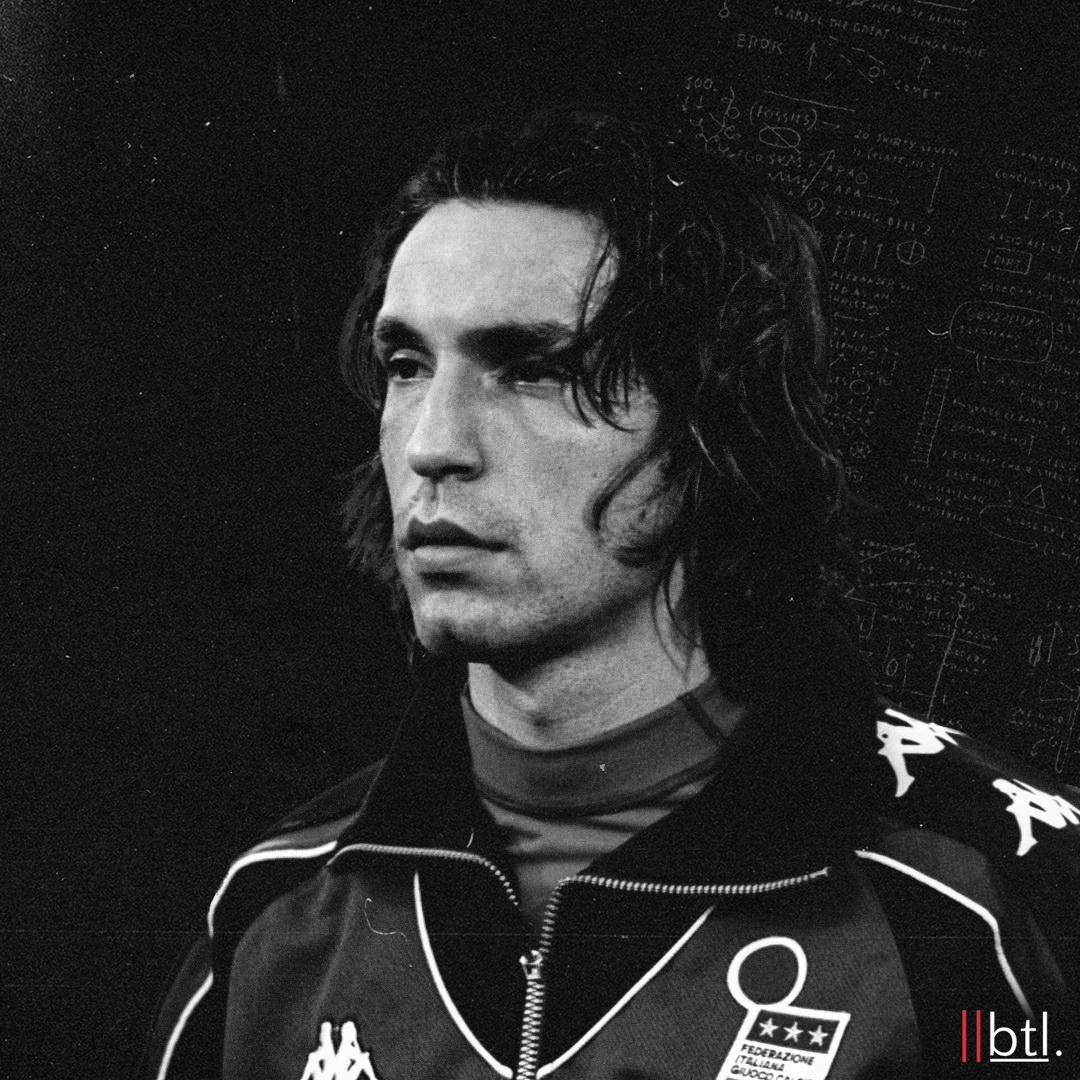
Andrea Pirlo
Andrea Pirlo perfected the role of the deep lying playmaker. Operating from in front of the defence, he controlled games with calm authority, using long range passing and intelligent distribution to break opposition lines. Pirlo changed perceptions of where creativity could come from on the pitch.
His influence was particularly evident with Italy during the 2006 World Cup and Euro 2012. Even against aggressive pressing systems, Pirlo dictated the tempo, proving that intelligence and technique can outweigh physical intensity at the highest level.
Andres Iniesta
Andres Iniesta was the master of control in tight spaces. While often overshadowed by more outspoken teammates, his influence on matches was immense. Iniesta’s ability to glide past opponents and retain possession under pressure made him one of the most effective playmakers in football history.
His defining moments came on the biggest stages. Iniesta’s performances for Barcelona and Spain, including his World Cup winning goal in 2010, highlighted his composure and creativity when it mattered most. He embodied the perfect balance between subtle playmaking and match winning impact.
Kevin De Bruyne
Kevin De Bruyne represents the modern evolution of the playmaker. Combining physical strength with elite vision, he has been one of the most productive creators of the Premier League era. At Manchester City, De Bruyne consistently delivers decisive passes from a variety of positions.
What sets him apart is his versatility and directness. He can operate centrally or wide, cross at speed, and shoot from distance, making him unpredictable and difficult to contain. His influence has helped define attacking midfield play in modern football.