

The Zero-Sum Game: Why Your Roulette Strategy is Failing
You are standing at the table placing chips on “Red” because you saw five “Black” results in a row, but the wheel does not have a memory and it definitely does not owe you a win. Roulette is the ultimate trap for the superstitious player who believes in “streaks” and “balance,” yet the only thing balancing in this game is the house’s bank account.
We don’t look at the history board for “patterns” because those are just random data points designed to keep you clicking. We look at the wheel as a physical machine with a fixed house edge that can only be mitigated by a cold, clinical application of probability and bankroll management. If you are playing for the “rush” of the spin, you are the customer; if you are playing to exploit the table limits, you are the technician.
Engineering the Outside Bet Advantage
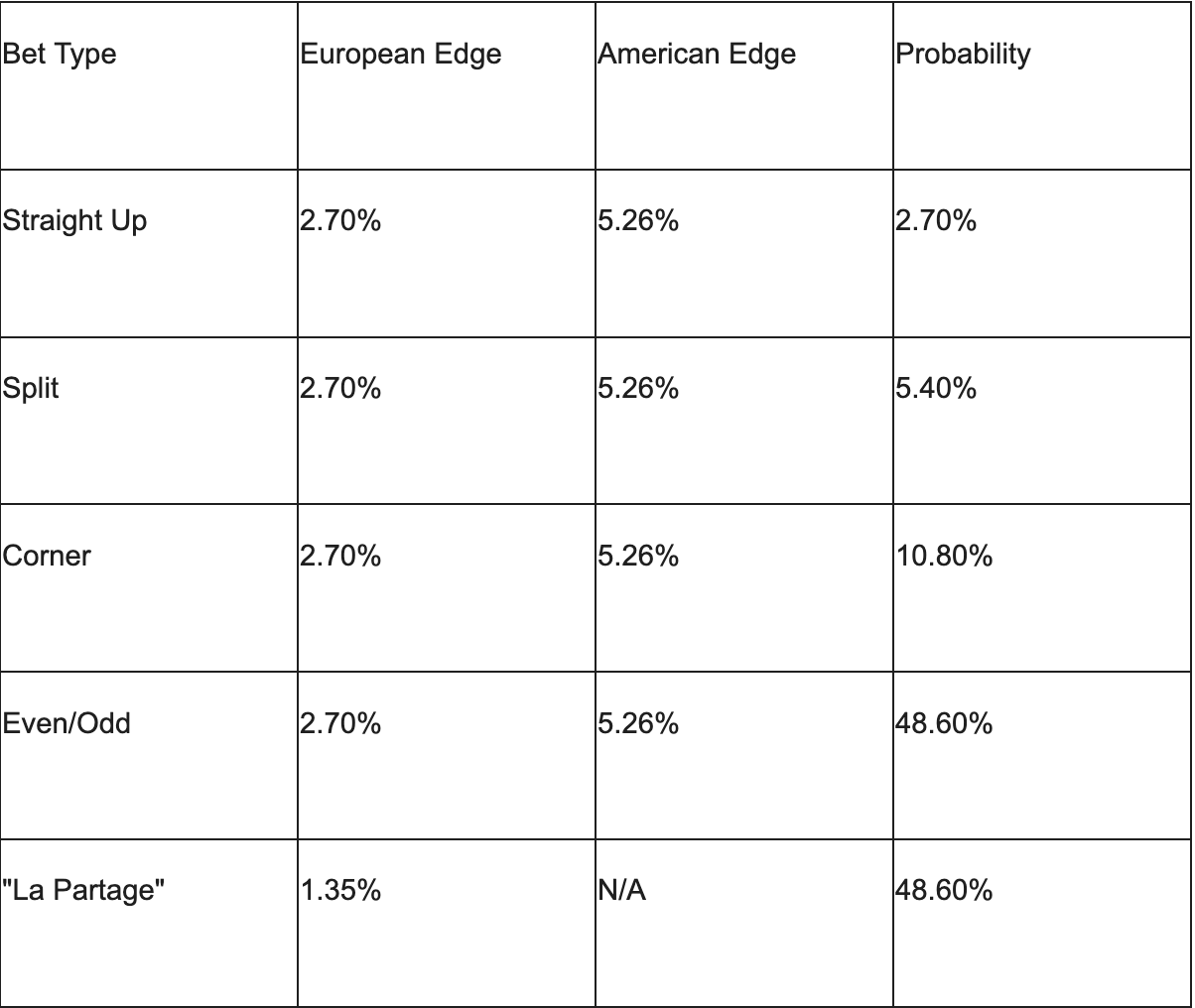
Spinshark Casino is the starting point for any serious player who understands that American Roulette is a scam and European Roulette is the only battlefield worth your time. The double-zero on an American wheel jumps the house edge from 2.7% to 5.26%, which is essentially a 100% increase in the tax you pay just to sit at the table. We only play on single-zero wheels, and we only focus on the outside bets where the probability of success is as close to a coin flip as the house will allow. You aren’t here to hit a 35-to-1 long shot; you are here to move large volumes of capital through the system with the lowest possible friction.
The “En Prison” Safety Net
If you can find a French Roulette table that offers the “En Prison” or “La Partage” rule, you have found the ultimate loophole in the casino’s defense. When the ball hits zero, these rules allow you to either get half your even-money bet back or keep it “imprisoned” for the next spin. This tiny adjustment drops the house edge on outside bets to a staggering 1.35%, making it one of the “cleanest” games in the entire building. We hunt for these tables with the same intensity that a hacker hunts for an unpatched server.
The Sector Betting Myth
Many “pros” will tell you to bet on specific physical sectors of the wheel because of “dealer signatures,” but in the digital world, the physics are simulated by a high-frequency RNG. Sector betting in a digital environment is just a fancy way of losing money on twelve numbers instead of one. We stick to the “Even/Odd” or “Red/Black” logic because it allows for the most consistent application of a recovery system without hitting the table’s maximum bet limit too early in the cycle.
Managing the Volatility of the Spin
The house wins because players panic when they hit a losing streak, but a rebel knows that a losing streak is just a temporary deviation from the mean. You need a system that accounts for the “swing” and keeps you in the game long enough for the math to normalize. We don’t “double up” blindly; we use a tiered recovery system that protects our base unit while slowly clawing back the losses.
The Tiered Recovery System
Instead of a dangerous Martingale, we use a “3-Step Reset” where we only increase our bet after two consecutive losses, and we never go beyond four levels. If we hit the fourth level and lose, we take the hit and reset to the base unit. This prevents the “Infinite Loss” scenario that wipes out 99% of Roulette players who think they can out-gamble the table limit. You are playing a game of attrition: stay small: stay alive: and stay consistent.
The Time-Limit Exploit
The longer you stay at a Roulette table, the more likely the 2.7% house edge is to grind your balance to zero. We treat Roulette as a “Sprint,” not a “Marathon,” and we set a hard limit of thirty spins per session. Once those thirty spins are over, we exit the game regardless of whether we are up or down. By limiting your exposure to the wheel, you are effectively reducing the number of “decisions” the house gets to make against your bankroll.
- Locate a European or French Roulette table with a single zero.
- Verify the table limits to ensure you have at least 100 units of “headroom.”
- Place a 1-unit bet on an outside even-money option (e.g., Black).
- If you win: keep the profit and repeat the 1-unit bet.
- If you lose: stay at 1 unit for the next spin.
- Only increase to 2 units if you have lost two spins in a row.
Psychological Defense Against the “Hot” Numbers
The casino wants you to look at the “Hot and Cold” display because it triggers the part of your brain that seeks patterns in chaos. There is no such thing as a “hot” number in a randomized system; there is only a number that happened to appear more frequently in a small sample size. We ignore the display entirely, and we never let a “near miss” influence our next bet.
Disabling the Visual Noise
If the software allows it, turn off the animations and the “history” board to clear your workspace of distractions. You are executing a mathematical plan: and the sight of the ball bouncing around the pockets is just a visual distraction designed to slow down your decision-making process. The faster you can place your bet and see the result: the faster you can move through your session and exit the environment.
The Exit Strategy Realism
Winning at Roulette is about knowing when to walk away with a 5% profit. Most players wait for a 100% gain, which almost never happens before the house edge catches up to them. We set a “Profit Target” of five units; once we hit it, we are gone. It is a humble goal, but it is a repeatable one, and a professional rebel knows that a series of small, guaranteed wins is better than a single, failed gamble for the moon.
Pro Tip: Always check if the “Zero” has hit in the last ten spins; if it has, the “variance” has already paid the house its tax, and the next few spins are statistically “cleaner” for outside bettors.