

Understanding the Role of Rotary Tiller Stone Buriers in Modern Canadian Industrial and Logistics Operations
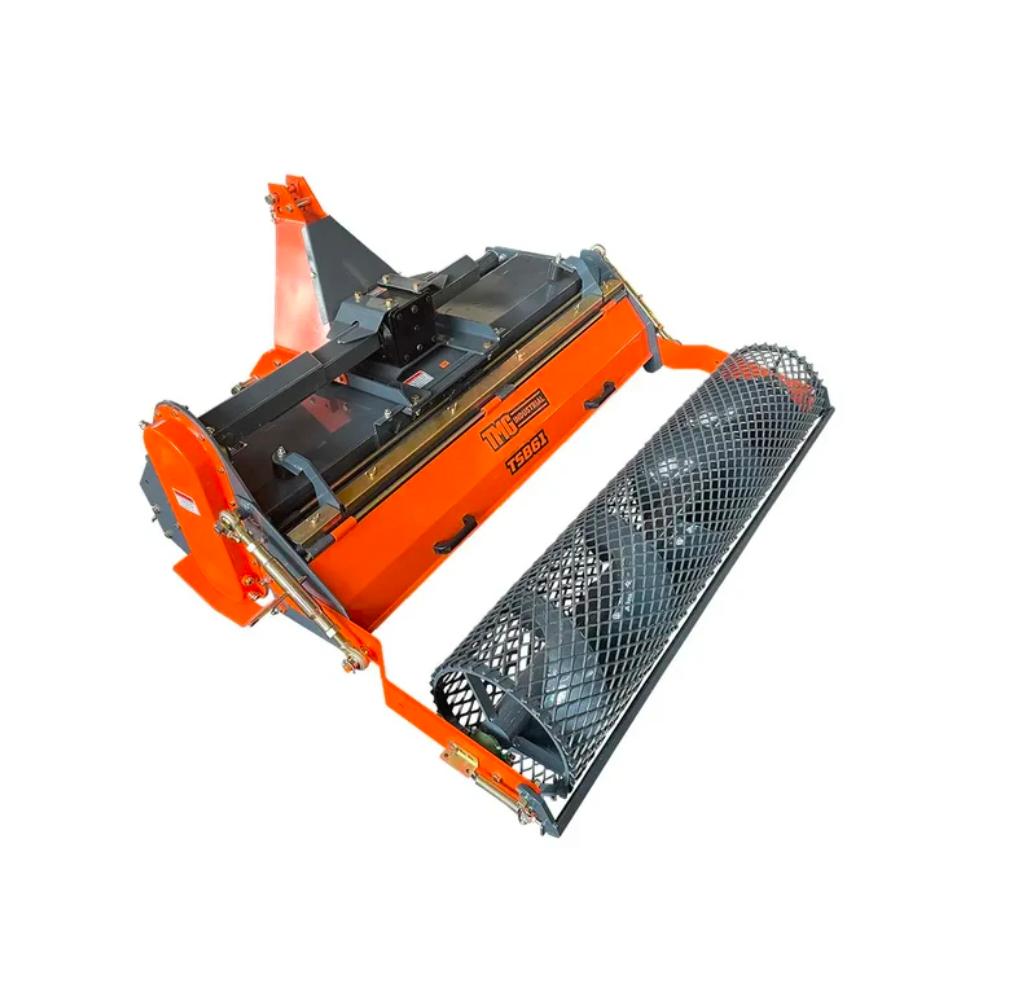
In Canada, industrial land preparation plays a critical role in supporting logistics hubs, warehouse expansions, and infrastructure development. As supply chains continue to grow in complexity, the demand for stable, debris-free ground surfaces has increased. Equipment such as the Rotary Tiller Stone Burier has become important in preparing land efficiently while maintaining safety and consistency across industrial sites.
From distribution centers to storage yards, ground conditions directly affect operational performance. Poorly prepared surfaces can lead to equipment damage, safety hazards, and reduced productivity. This makes soil conditioning equipment a key consideration for logistics professionals and industrial planners.
Technical Overview and Common Use Cases
A rotary tiller stone burier is designed to separate stones and debris from soil while simultaneously leveling and conditioning the surface. The machine uses a rotating rotor with blades that lift and sift soil, burying stones beneath the surface layer.
Typical Applications
- Preparation of warehouse foundation sites
- Grading of logistics yards and access roads
- Landscaping for industrial parks
- Pre-construction soil conditioning
- Maintenance of gravel storage areas
These use cases highlight the equipment’s role in improving surface uniformity and reducing long term maintenance needs.
Importance of Efficiency, Safety, and Productivity
Efficiency in land preparation directly affects project timelines and operational costs. A well-prepared surface reduces delays during construction and minimizes equipment wear.
- Reduced need for repeated grading passes
- Lower risk of equipment damage from loose stones
- Improved traction for vehicles and machinery
- Enhanced worker safety on stable surfaces
Safety is particularly important in Canadian climates, where freeze-thaw cycles can worsen surface instability. Proper soil preparation helps mitigate these risks.
Technical Foundations and Capability Considerations
When evaluating this type of equipment, several technical aspects should be considered:
- Working width and depth capacity
- Rotor speed adjustability
- Compatibility with tractor horsepower
- Drive system design and maintenance needs
- Rear gate adjustment for soil leveling
These factors determine how effectively the machine can adapt to different soil conditions and project requirements.
Factors Affecting Performance and Effectiveness
Performance is influenced by both environmental and operational variables:
- Soil type, including clay, sand, or mixed composition
- Moisture levels and weather conditions
- Operator experience and technique
- Equipment maintenance and blade condition
Understanding these factors helps ensure consistent results across different job sites.
Safety Considerations and Best Practices
Safe operation is essential when using heavy soil preparation equipment. The following practices are recommended:
- Conduct pre-operation inspections of all moving parts
- Ensure proper guarding of rotating components
- Maintain safe distances from operating machinery
- Use appropriate personal protective equipment
- Follow manufacturer guidelines for speed and depth settings
Training operators in both equipment handling and hazard awareness is critical to reducing workplace incidents.
Equipment Types, Tools, and Attachments
Rotary tiller stone buriers are often used alongside other equipment to complete site preparation tasks:
- Compact and utility tractors
- Land graders and levelers
- Soil compactors
- Loader attachments for debris removal
The integration of multiple tools allows for a more comprehensive and efficient workflow.
Advantages and Limitations
Advantages
- Improved soil consistency and surface quality
- Reduced manual labor requirements
- Efficient handling of stone-heavy terrain
- Lower long term maintenance for prepared surfaces
Limitations
- Initial equipment investment can be significant
- Performance may vary in extremely wet conditions
- Requires compatible tractor power
- Operator skill impacts results
For broader land management and equipment solutions, explore reliable options from industrial suppliers like TMG Industrial equipment solutions, including products such as the 61” Rotary Tiller Stone Burier, 5″ Tilling Depth, 35-45 HP, PTO Shaft Included, TMG-TSB61.
Real World Application Example
In a logistics yard expansion project in Ontario, contractors used a rotary tiller stone burier to prepare a gravel based surface for heavy vehicle traffic. By integrating the equipment into the early stages of site development, the project team reduced grading time and minimized future surface repairs. This resulted in improved operational readiness and lower maintenance costs over time.
Conclusion and Future Industry Trends
As industrial operations in Canada continue to expand, the importance of efficient and safe land preparation will grow. Equipment such as rotary tiller stone buriers supports this need by improving surface stability and reducing operational risks.
Future trends may include increased automation, improved energy efficiency, and better integration with digital site planning tools. For logistics professionals and industrial buyers, understanding the capabilities and limitations of this equipment is essential for making informed decisions.
For further technical reference, readers may consult detailed specifications and operational guidelines available through specialized equipment resources such as the Rotary Tiller Stone Burier product page.