
What Makes a Professional-Grade Beehive Outfit? A Deep Dive Into Materials & Design
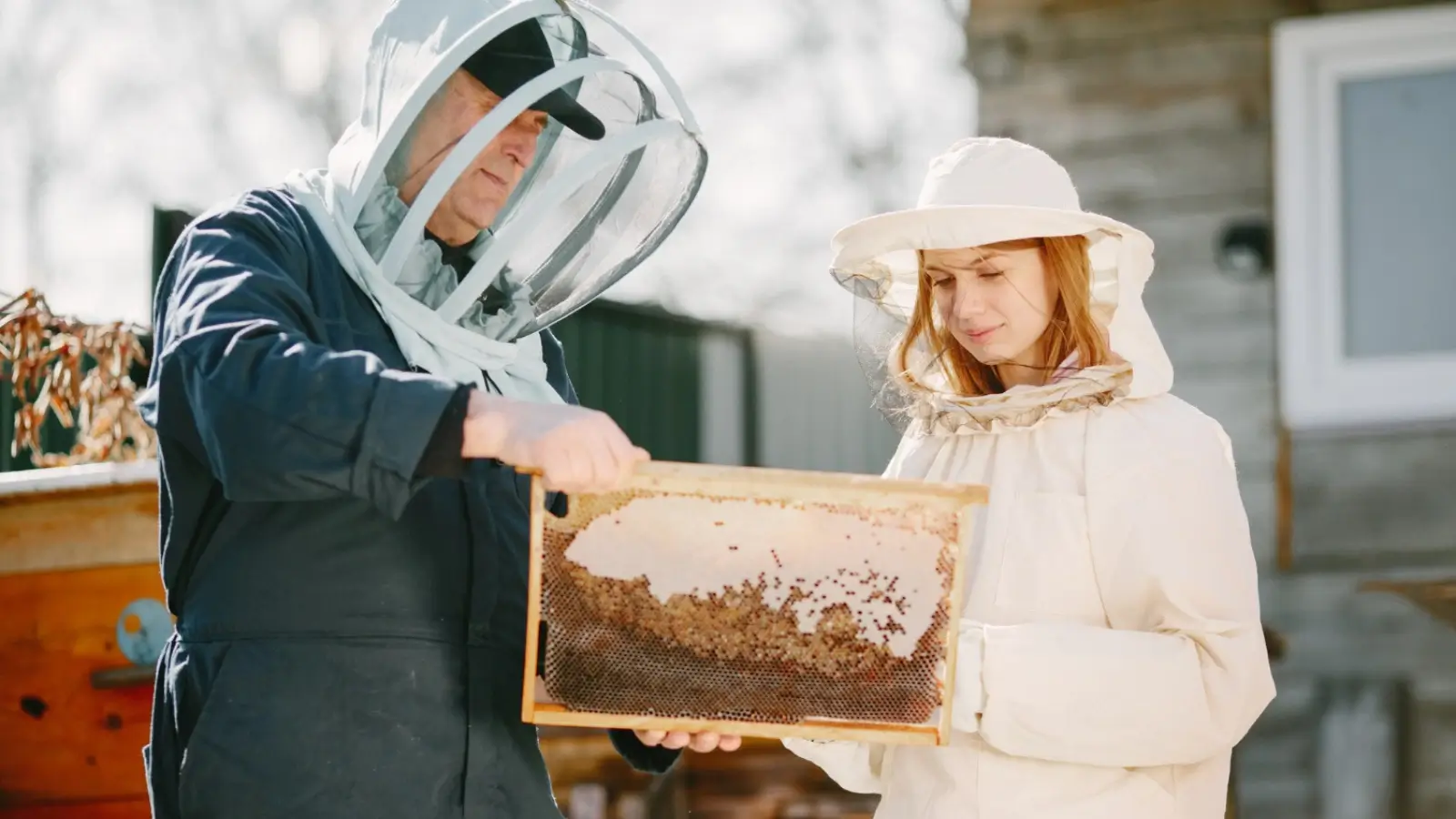
Beekeeping may be an ancient craft, but modern beekeepers understand more than ever the importance of high-quality beehive outfits. Whether you’re a beginner with a new hive or a seasoned professional managing multiple colonies, the protective gear you choose can influence your comfort, safety, and overall beekeeping experience.
A professional-grade beekeeping suit is more than just a layer of fabric between you and your bees. It is engineered for performance, combining durable materials with ergonomic design to offer maximum protection and flexibility. In this deep dive, we’ll explore the materials, features, and construction details that truly set professional suits apart from basic beekeeping protective gear.
Understanding Beehive Outfits: What Sets Professional Gear Apart
Not all beehive outfits are created equal. While hobby beekeeping suits provide basic protection, professional beekeeping suits are built for long hours, demanding work environments, and heavy use. They incorporate tough materials, ventilation systems, and advanced stitching methods to deliver high performance.
Professional beekeepers often favor premium bee suits, sting-proof bee suits, and reinforced beekeeping suits because these garments withstand the rigors of frequent hive inspections, swarm removals, honey harvesting, and heavy lifting.
What sets professional gear apart?
- Superior durability and tear resistance
- Higher sting protection
- Advanced ventilation for comfort
- Ergonomic design to reduce fatigue
- Custom-built features for real beekeeping conditions
Let’s break down these components in detail.
High-Performance Materials Used in Professional-Grade Beehive Outfits
The foundation of any professional suit lies in the materials. The fabric determines ventilation, sting resistance, durability, and overall comfort. Here are the top materials found in high-quality beehive outfits.
Heavy-Duty Cotton & Poly-Cotton Blends
Many professional beekeeping suits use tightly woven cotton or poly-cotton blends for durability. The thick fibers help stop stings from penetrating the material while remaining breathable.
Why beekeepers love cotton-based suits:
- Strong and long-lasting
- Natural breathability
- Good sting protection due to tighter weaving
- Comfortable for long hours
Poly-cotton blends add strength, resist wear and tear, and dry faster after washing—ideal for beekeepers working in tough environments.
Ventilated Mesh Layers for Airflow and Comfort
One of the most in-demand innovations in modern beehive outfits is ventilation technology.
Beekeeping can be incredibly hot work, especially under the summer sun. This is why ventilated beehive outfits—made from three or more layers of breathable mesh—are now the gold standard.
Benefits of ventilated mesh suits:
- Prevent overheating in warm climates
- Increase airflow through multiple mesh layers
- Provide sting resistance while staying lightweight
- Reduce sweat buildup during long hive inspections
Today’s breathable ventilated beekeeping suits use spacing fabric that keeps the mesh away from the skin, ensuring that bee stingers cannot reach the body.
Sting-Proof Fabric Technology
Sting-proof bee suits rely on layered materials that prevent a bee’s stinger from reaching your skin, even under pressure.
These suits may use:
- Spacer mesh
- Thicker cotton layers
- Reinforced padding in vulnerable areas
Advanced fabric engineering ensures maximum safety while still allowing movement and comfort.
Key Design Features of Professional Beekeeping Protective Gear
A beekeeping suit is only as good as its design. Professional-grade beekeeping protective gear uses smart engineering to enhance safety and usability.
Here are the top design details that matter.
Ergonomic Fit for Comfort and Movement
Professional beekeepers spend hours bending, lifting, and maneuvering around hives. A suit that restricts movement can cause fatigue or mistakes.
Features of an ergonomic beehive outfit:
- Articulated knees and elbows
- Wider shoulders and reinforced armpit areas
- Stretch panels for flexibility
- Strategic padding that does not restrict movement
An ergonomic design turns a heavy-duty suit into a comfortable uniform.
Reinforced Seams & Triple Stitching for Enhanced Durability
Your suit sees a lot of wear—pulling frames, kneeling, and stretching while working with bees. This is why reinforced beekeeping suits stand out.
Professional-grade suits use:
- Triple stitching
- Bar tacks in stress points
- Strong thread resistant to tearing
This ensures the outfit stays intact through years of demanding beekeeping.
Secure Zippers, Velcro, and Protective Closures
Gaps are the number one entry point for bees, which is why professional beehive outfits use high-quality closures.
Key closure features:
- Heavy-duty zippers (metal or premium-grade plastic)
- Velcro flaps over zipper ends
- Elastic seals at wrist and ankle cuffs
- Overlapping fabric panels to prevent bee entry
These details significantly reduce the chance of bees sneaking inside the suit.
Elastic Cuffs, Ankles & Adjustable Waistbands
These areas are notorious for bee entry, so professional suits are designed to create a seal without limiting comfort.
Why these features matter:
- Stop bees from crawling in
- Allow beekeepers to adjust fit
- Improve mobility and comfort
Elastic features also help full-body beekeeping suits adapt to different body shapes.
Professional-Grade Hoods & Veils
The veil is arguably the most important component of all beekeeping protective gear.
Professional-grade veils include:
1. The Round Veil
- Offers maximum visibility
- Better airflow
- Spacious design keeps mesh farther from the face
2. The Fencing Veil
- Sleek and ergonomic
- Great for working in tight spaces
- Better for long sessions where head movement matters
High-quality suits feature detachable veils, strong zippers, and supportive mesh that maintains shape and visibility.
Ventilation: The Most Important Feature in Modern Beehive Outfits
With climate change and rising summer temperatures, the demand for ventilated bee suits has skyrocketed.
A ventilated suit keeps the beekeeper cool without compromising sting protection. Modern suits use multi-layer mesh with built-in spacing to allow airflow and prevent stingers from reaching the skin.
Advantages of ventilated beekeeping outfits:
- Cool and breathable
- Ideal for hot climates
- Prevent fatigue and overheating
- Increase overall comfort during long work days
Professional beekeepers almost always prefer ventilated beehive outfits, especially when working in warm regions.
Professional vs. Budget Beehive Outfits: What’s Worth Paying For?
While budget bee suits may seem appealing, they rarely offer the durability, safety, or comfort of professional-grade gear.
Here’s what professionals pay for:
- Higher-quality materials (cotton, ventilated mesh)
- Stronger stitching for long-term use
- Improved sting protection
- Better visibility from premium veils
- Reinforced padding and seams
- Reliable zippers and closures
Investing in professional gear means fewer suit replacements, fewer stings, and a more enjoyable beekeeping experience.
Must-Have Accessories for a Professional Beehive Outfit
To complete your protective setup, professionals rely on additional beekeeping safety gear such as:
✔ Sting-proof gloves
Made from leather or ventilated materials that protect hands while maintaining dexterity.
✔ Reinforced boots
Essential to avoid bee entry at the ankles.
✔ Beekeeping jackets and veils
A lighter option for quick hive checks.
✔ Heavy-duty full-body beekeeping suits
Ideal for lengthy or advanced tasks.
These accessories enhance safety and comfort while working with active colonies.
How to Choose the Right Professional Beehive Outfit
Choosing the right professional beehive outfit depends on several key factors. The goal is not just comfort—it’s to choose safety beekeeping gear that protects you from stings, keeps you cool, and supports your style of beekeeping.
1. Climate
- Hot climate → Ventilated bee suits
Triple-layer or mesh ventilated suits provide maximum airflow and prevent overheating. - Moderate climate → Cotton or poly–cotton suits
These maintain breathability while offering solid sting resistance. - Cold climate → Insulated but breathable suits
Choose materials that retain warmth without trapping moisture.
2. Beekeeping Frequency
- Occasional beekeeper → Mid-range suit
A quality but affordable option works well for hobby beekeepers. - Professional beekeeper → Premium bee suits
Full-body, ventilated, and reinforced suits are ideal for long hours and frequent hive inspections.
3. Sizing
A well-fitted suit is essential. Your beehive outfit should allow bending, kneeling, lifting, and reaching without pulling at the seams. A comfortable fit prevents fabric tension, which helps reduce the chance of stings breaking through.
4. Material Preferences
Some beekeepers prefer the natural feel and durability of cotton, while others love the cool airflow and comfort provided by ventilated mesh designs. Your choice should match your climate and the level of protection you need.
Conclusion
Investing in high-quality beehive outfits is essential for your safety, comfort, and success as a beekeeper. Professional-grade beekeeping suits combine premium materials, innovative ventilation, ergonomic design, and advanced stitching techniques to deliver unmatched performance.
Whether you’re working with multiple colonies, performing swarm collection, or managing large apiaries, the right beekeeping protective gear ensures you stay safe, cool, and comfortable—no matter how busy the season gets.