

What to Expect from Your First Driving Lesson
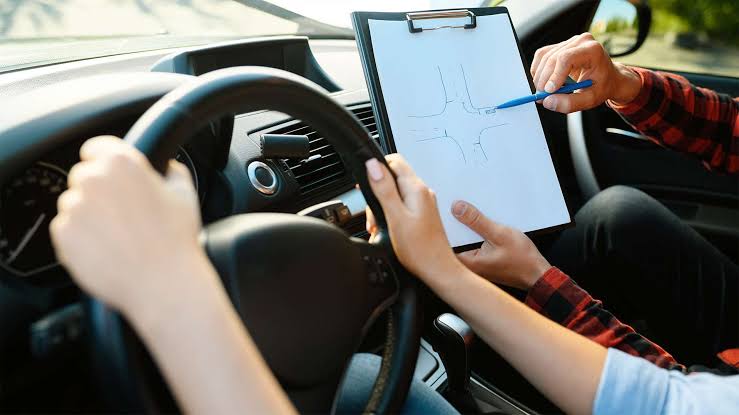
The very first driving lesson you take is an important occasion. It’s an amalgamation of thrill, fear, and inquisitiveness. You might have a picture of the scenario where you get into the seat, turn on the engine, and take off for the very first time. But still, even if you have been watching others drive for years, the very first official lesson will give you a totally different experience.
Undoubtedly, the first lesson will be nerve-wracking if you have never had one before. But the good thing is that you will know what to expect. Just knowing the process can turn the day into a more cheerful and less stressful occasion for you. If you’re planning to start your automatic driving Lessons in Barnsley, understanding what happens in that first session can help you feel calmer and more prepared.
So, let’s talk about the usual features of the first driving lesson and how you can benefit from it the most.
Before the Lesson Begins
Usually, your instructor will arrange a time and a meeting point that are convenient for you. Most students begin from the comfort of their homes; however, you can always meet at a nearby tranquil area. It is very usual to experience butterflies in your stomach before the initial lesson; nevertheless, do not be anxious—the instructor is equipped with the experience of working with novices and will slowly develop the syllabus.
The instructor will first check your provisional driving licence before taking you into the vehicle to make sure you are legally authorised to drive. You may also be asked to do a short-distance vision test for eyesight standards. After this has been done, you will be good to go.
Your instructor will not only tell you how everything works inside the car but also make you familiar with that. You would be taught the function of every control—the pedals and gears, indicators and mirrors. The teacher will ensure that your seat, mirrors, and steering wheel are correctly adjusted so that you will be able to drive comfortably. This arrangement may look trivial, yet it is actually a significant factor in driving safely.
You will not be in a hurry to drive immediately at this point. On the contrary, your instructor will elaborate on the fundamentals, like the operation of the clutch, brake, and accelerator. They will demonstrate how to start the engine, shift gears, and stop safely. You’ll also be taught to apply the handbrake and when to glance at the mirrors. If you’re taking your driving lessons in Sheffield, this first-hand guidance will help you build strong habits right from the beginning.
Your First Time Moving the Car
Once you get the hang of the controls, your instructor will lead you to a quiet place where you typically practice on a residential road or in a deserted parking lot. This provides you with ample space to have your no-pressure practice session.
The very first time you take the car out, your instructor will be there to support you through each step. They will assist you in starting the engine, picking the right gear, and taking off smoothly. The distance you will drive might be extremely short, but that is totally OK. The only purpose is to make you feel relaxed and assured.
A lot of talking is to be expected during this period. Clear instructions will be given by the instructor, like “check your mirrors,” “ease off the clutch,” or “gently press the accelerator.” Initially, it might come across as very overwhelming. However, with the repetition of these steps, it will slowly unfold.
You will also get to practise safe stopping. This means using the brake and clutch together, checking mirrors, and applying the handbrake. It might seem quite perplexing now, but your instructor will take you through it until it becomes second nature.
Every learner has to go through mistakes during their first stage. You may deactivate the car, press the wrong pedal, or miss a step. These are all very everyday occurrences. Your instructor is not going to be critical of you — they will simply help you to comprehend the mistake and how to rectify it next time.
Building Confidence During the Lesson
Your session will move along, and more time will be given to practising the aspects of starting, stopping, and steering. The first class is not about going through everything, but rather laying the ground for the future.
You will learn how to manage the speed of the vehicle, maintain a steady presence on the road, and operate the mirrors correctly. All these tiny skills you work on now will make your future journeys through intersections, circles, and main roads easier.
Your teacher will be very nice all the time. They will clarify matters and give you support that is very gentle and at the same time very slow, depending on how comfortable you are. If you are doing well, you will get the chance to switch to the second gear or even turn onto another street. But everything will take place at your pace.
Self-assurance will not be built in one day. It is a gradual process that requires repeating and mastering each step. The most important thing during your first lesson is to be relaxed, to pay attention, and to ask questions when you are not sure.
Understanding the Instructor’s Role
Your instructor will be present to assist you and not to evaluate you. Consider them a mentor who ensures you are always safe during your learning experience. The vehicle that will be used for your training will have double controls, thus your instructor can override your pedals if necessary. It is the system that gives you additional safety and inner calm, especially when you are just learning how to operate the car.
A good instructor will also monitor your comfort level. If you appear to be tense, they might initiate a short conversation to help you unwind. They know that the initial classes might be overwhelming. The more you trust them, the easier it is for you to direct your attention to the actual driving.
It is very likely that you will have a short discussion about road awareness as well. Your instructor might show you road signs, dangerous spots and proper driving actions characteristics while talking. This method helps in building up your early understanding of observing the environment around you while driving.
What You’ll Learn by the End
By the time your initial class is over, you will be aware of how to make the necessary adjustments in the car before moving, how to start and stop the vehicle without jerking and how to position your mirrors in properly. Moreover, you will get a feel for the clutch and learn to synchronise your hands and feet.
You may not move far—most novices spend the first hour in a secluded zone—but you will complete the session with a deeper understanding of the car’s responsiveness to your actions. This recognition constitutes the first major milestone on your way to becoming a self-assured driver.
Moreover, you will have a glimpse of what the next lessons will be about. Your trainer might mention the things that will come next, such as intersections, shifting gears or road placement. They will motivate you to continue with the practice of your awareness and control, reminding you that making progress is a matter of time and patience.
Feeling exhausted after your first driving lesson is a common thing. Engaging in new skills and following instructions can consume a lot of energy. When you are done, take some time to unwind and think. Consider what you liked the most and what was hard for you— this will support your next session.
Preparing for Your Next Lesson
Your teacher might at the end of the class give you an evaluation about your growth. They will state what was done nicely and what
Needs further focus. It is important to pay attention and consider it as a guide that is helpful rather than a negative comment. Every single driver has to start at some point, and even little progress is counted.
You are also free to clarify your doubts concerning what to expect in the next lessons or how to be ready in between the sessions. Some students prefer to see videos on driving skills or read the Highway Code. These small activities that you do outside of the lessons will make you understand faster when you are back in the car.
With time, your confidence will develop. The main thing is to be patient with yourself. Each time you are going to drive, you will feel more in charge of the situation than you were before. What looks difficult during your first lesson will soon become part of your routine.
Drive with Confidence
A first driving lesson is the point at which an enthralling journey begins. It is the instant when you start to convert the theoretical aspect of driving into actual experience. Mistakes will be made, and you will learn from them, but with practice, you will gradually build the kind of serene assurance that marks every good driver.
The process of mastering to drive is not only about getting through the examination—one has to be competent, conscious, and responsible, roadwise. A goal lessening is of great prominence in bringing you to that spot. Hence, for the day of your driving test, you should not be concerned about being perfect. Your sole concern should be learning, the instructor’s listening, and enjoying the process.
MA Driving School ensures that students are expertly and patiently instructed step-by-step, continuously gaining confidence at every teaching stage. The reinforcing may start with a little bit of nervousness, but it soon becomes one of the very rewarding parts of your life’s journey.
A very important point is: Keep your composure, do not lose focus, and think about it—every skilled driver used to be in your position at some point in their learning process!