

Why AI Photo Generation Is Becoming a Core Part of Digital Work
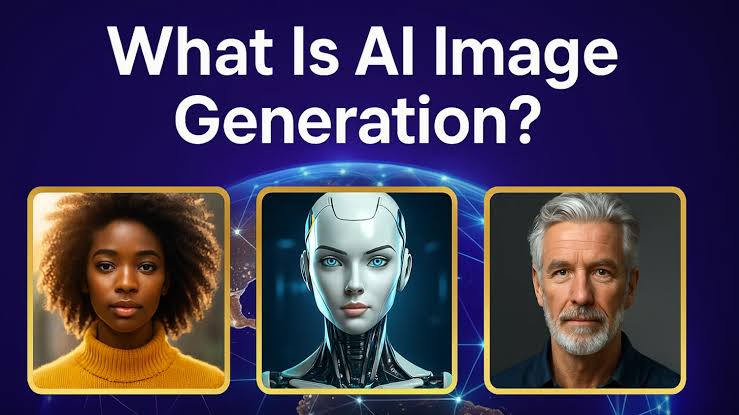
Artificial intelligence is no longer a niche tool reserved for technical specialists or early adopters. In the visual content space, it has quickly become a practical part of daily work for creators, marketers, freelancers, and small businesses alike. The shift is not driven by hype — it is driven by a very real and growing need for faster, more flexible, and more affordable visual content production.
The Growing Demand for Visual Content
Businesses today need website images, landing page assets, social media graphics, product photos, and campaign visuals — often all at once and on tight timelines. Independent creators need imagery for newsletters, personal brands, digital products, and online communities. Even professionals outside the creative industry now rely on polished visuals to build trust, communicate clearly, and stand out in crowded digital spaces.
The challenge is that traditional image production takes too much time, money, or technical skill for most everyday users. Hiring a photographer, working with a design agency, or mastering complex editing software is simply not realistic for everyone. That gap is exactly where modern AI photo tools are stepping in.
Where AI Tools Create Real Value
Modern AI photo generators shorten the path between an idea and a usable result. Instead of expensive photoshoots or lengthy editing workflows, users can now generate, refine, and explore visual concepts in minutes. A platform like AI Photo Generator focuses specifically on producing photorealistic images from text prompts and reference photos — making it particularly practical for creators, marketers, and e-commerce teams who need production-ready visuals at scale without a large budget or team.
Speed and Flexibility in Practice
Speed matters more today than it did just a few years ago. A freelancer may need a stronger profile photo before sending out proposals. A startup team may need visual assets for a product launch within hours, not weeks. A content creator may need fresh, original images for a blog post or social media campaign on short notice. In each of these situations, AI delivers not just creative output, but genuine responsiveness — the ability to move quickly without completely sacrificing quality.
Flexibility is equally important. In traditional workflows, exploring a different visual style, mood, or direction often means starting over from scratch or spending additional hours on revisions. AI tools make experimentation far easier. Users can compare multiple visual approaches, adjust tone and composition, and test different concepts before committing to a final direction. This leads to better creative decisions and reduces wasted effort.
Small Teams, Big Visual Standards
This advantage matters especially for small businesses and solo operators. Large organizations often have in-house design teams, established brand guidelines, and agency relationships. Smaller teams rarely do. Yet they compete in the same digital spaces and are held to the same visual standards by their audiences. A strong visual presence directly influences trust, click-through rates, conversion rates, and overall brand perception.
AI photo generation gives smaller players a realistic path to meeting professional visual standards without needing the resources of a larger organization. That is a meaningful shift in how competitive the playing field can be.
A Practical Tool, Not a Magic Solution
It is worth being honest: AI tools are not a replacement for strategic thinking or creative direction. The strongest results still come from clear intent, thoughtful planning, and a good understanding of your target audience. A useful image is not only about looking impressive — it also needs to fit the message, context, and purpose it serves.
The best use of AI is not replacing human judgment, but supporting it. AI can accelerate execution and reduce production friction, but the strategy behind the content still matters just as much as it always has.
Looking Ahead
As the technology continues to mature, AI-powered image creation is moving from being a special feature to becoming a standard expectation. Users will increasingly look for tools that help them produce strong visuals quickly, test ideas efficiently, and maintain a professional online presence without unnecessary complexity.
Platforms like AI Photo Generator stand out in this environment not because they replace creativity, but because they make creative execution genuinely accessible to ordinary users — regardless of budget, technical skill, or team size.
For anyone building an online presence today, adapting to these tools is less about following trends and more about turning visual production from a bottleneck into a manageable, efficient part of daily work. The people and businesses that embrace this shift early are likely to move faster, experiment more freely, and compete more effectively in an increasingly visual digital world.