
South America: The Place of the Dark Horses for the 2026 World Cup
When it comes to big stages, this continent is always well represented by historic national teams such as Brazil, Argentina or Uruguay… but this time, there seems to be room for surprises.
Over the last few years, the CONMEBOL campaign for the World Cup has been very competitive. In fact, four of the six qualified teams finished with the same number of points (28), and the only squad that truly separated itself from the rest was current World champions Argentina. This statistic shows that the level of quality, performance and current status is very close between these participants, and all of them are capable of achieving success.
The odds are also in their favor, as there’s always been a dark horse lately. Costa Rica, Belgium, Croatia, Morocco are just some of the countries that have never won a World Cup and yet still managed to go far. Will 2026 be the year a South American team takes that spot? We have two clear candidates that have proven themselves to be very tough teams for the following World Cup despite not being historical football countries. Both have their arguments to dream big and have a fantastic tournament in 3 months time.
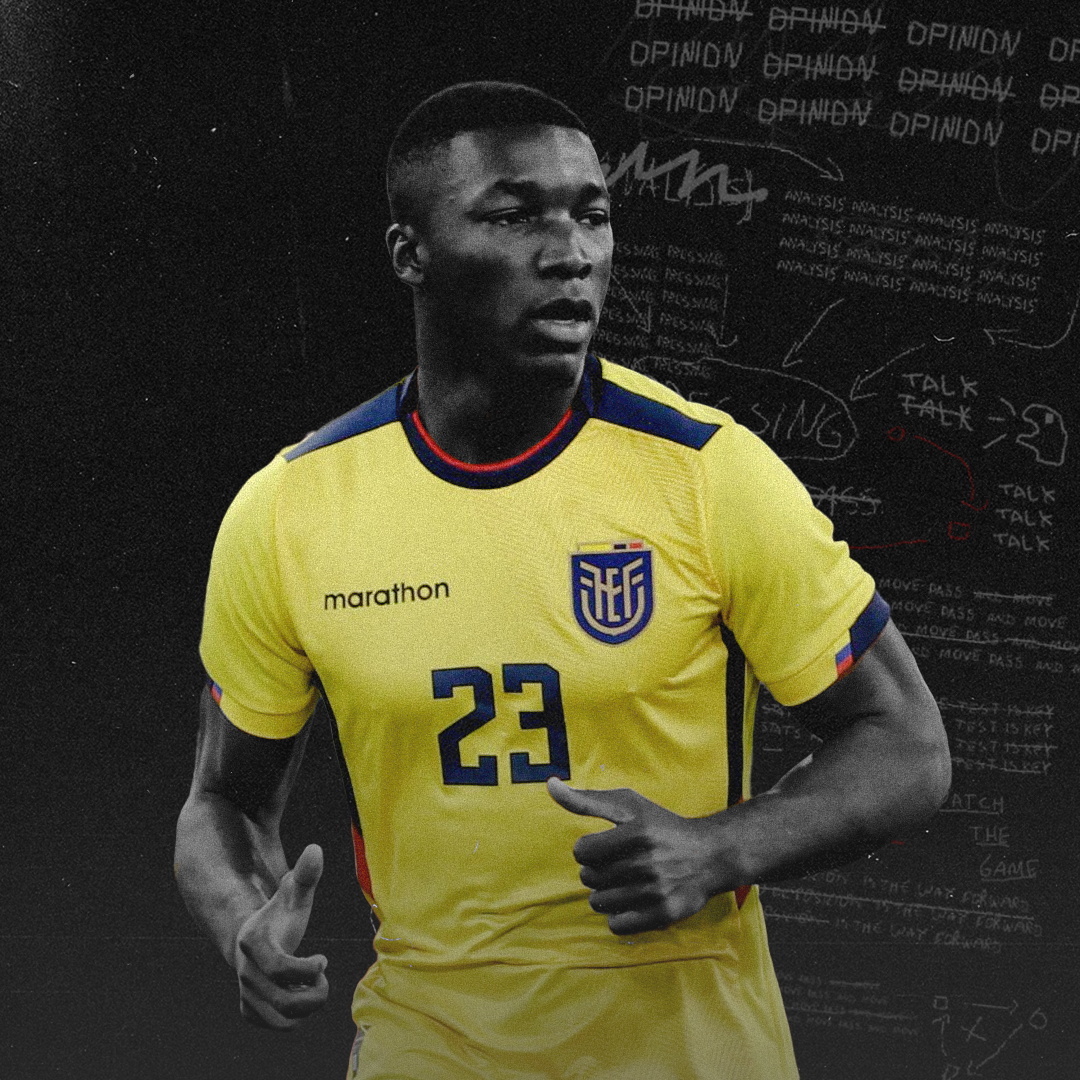
Let’s start with the one who did best in the CONMEBOL qualifiers for the World Cup: Ecuador. A group of young, competitive and physically strong players who, despite their age, already have experience at the highest level. Footballers such as Moises Caicedo, Piero Hincapie, William Pacho and Pervis Estupiñán are the foundation of one of the greatest generations in the history of the national team. All of them play for the best teams in the world right now, so they are used to the big stages, a very important factor for this kind of tournament.
Also, names like Enner Valencia, Gonzalo Plata, Alan Franco, Felix Torres or Kendry Paez play in the biggest teams from competitive leagues such as Mexican, Brazilian or Argentinian. This means they have the constant pressure of winning every single match, and if they translate this feeling to the national team, Ecuador can be very difficult to beat.
Last but not least, the coach that is in charge of mixing experience with youth and top-level players with others of lower profile is Sebastian Beccacece. The Argentinian found a way to balance the different characteristics of the squad, building a pragmatic, aggressive and physical side that doesn’t play an attractive style, but is effective in both boxes. They qualified in second place to the World Cup and, as mentioned, have many tools to do better than what is expected from them.
Talking about another team with a coach from Argentina, the dark horses of the CONMEBOL qualifiers: Paraguay. Unlike Ecuador, they do not have a squad full of international stars, so it’s difficult to highlight any particular players. Although, the virtues of the team are very clear: a solid defence and a fighting spirit that allow the footballers to give their all in each game.
Their tactics are also consistent: defending in a low block and looking for a quick and direct attack to the spaces of the opponent’s last line is a way in which they feel very comfortable, and results show so: 1-0 win against Brazil, 2-1 win against Argentina, 2-0 win against Uruguay and surprising away draws against Ecuador or Colombia are some of their great results in the last qualifiers, finishing level on 28 points with continental giants in Brazil, Uruguay and Colombia.
So, how can a less star-studded squad and defensive team achieve such good results? The answer is Gustavo Alfaro. The consistent style throughout his career allowed the Argentinian coach to instill his philosophy of football in the Paraguayan players, and they executed the plan perfectly. Never giving up on a ball, winning every duel, and fighting until the end are some of the motivating principles that enabled this change in mentality among the footballers.
Few teams will match their level of motivation, and that factor can empower them to have a great tournament in a few months. The two squads have a historic chance to put their names in the history of the country they represent. It will be interesting to see if this opportunity is seen as motivating or as a source of pressure. The stage is set — now it’s up to them.
By: Mateo Vazquez
Featured Image: @GabFoligno / Soccrates Images / Getty Images