
Brazil’s Search for a Sixth Star Has Found Its New Architect
Brazil’s relationship with the World Cup is unlike that of any other nation. With five titles, the Seleção remain the most successful team in the competition’s history and have long been regarded as the standard by which international football greatness is measured. Yet for all their history and prestige, Brazil’s last World Cup triumph came in 2002. More than two decades later, a country accustomed to success continues to wait for a sixth crown.
The frustration is not rooted in a lack of talent. Since lifting the trophy in Yokohama, Brazil has produced generation after generation of elite footballers. From Ronaldinho and Kaká to Neymar and the current crop of stars, there has rarely been a shortage of players capable of competing at the highest level. The problem has been turning that talent into World Cup success. Time and again, Brazil have gone into tournaments among the favourites only to leave with more questions than answers.
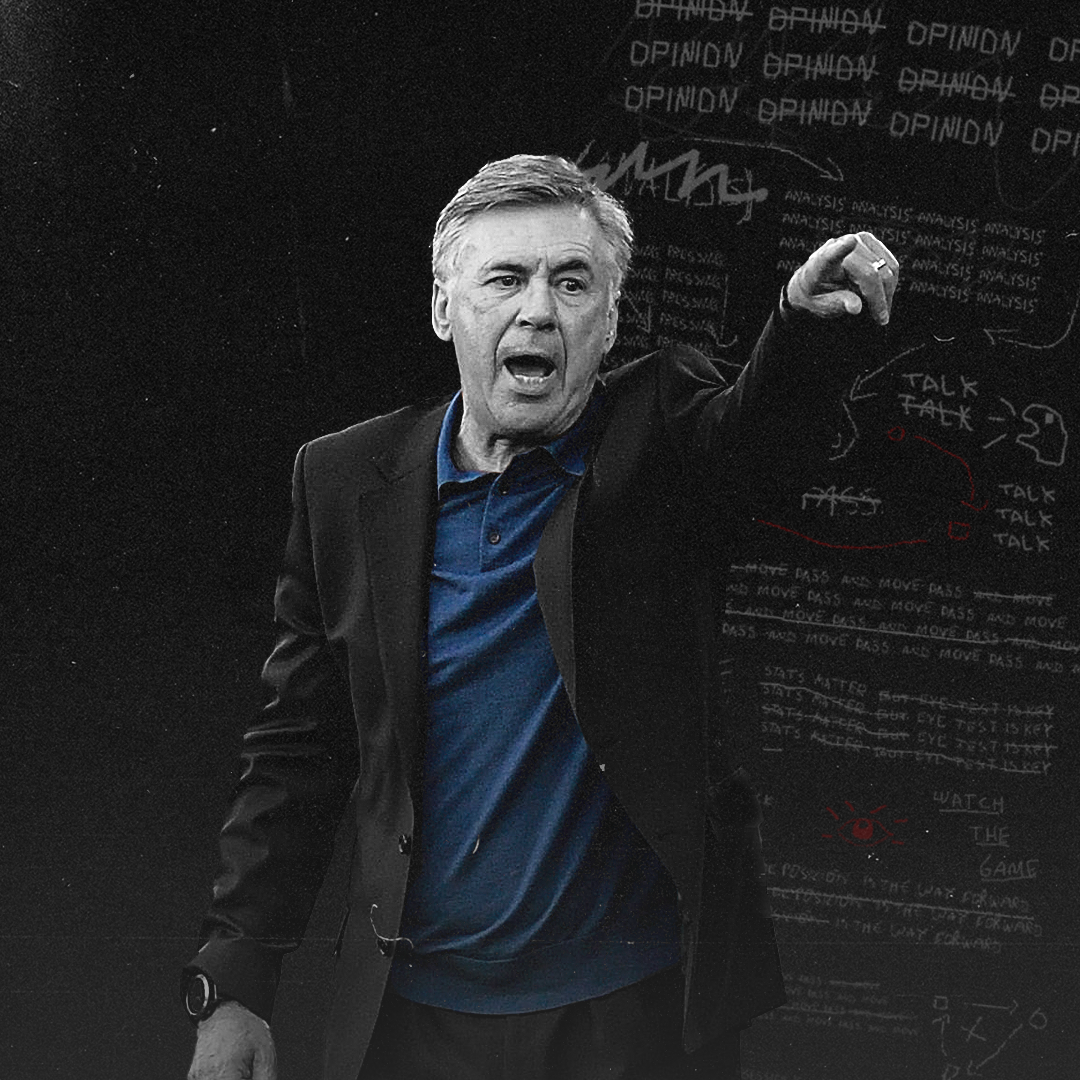
That is why the appointment of Carlo Ancelotti has generated so much interest ahead of the next World Cup. Brazil are not simply adding another respected coach to their history. They are bringing in one of the most successful managers football has ever seen. In a country where expectations are permanently high, Ancelotti’s arrival represents an attempt to address the gap between potential and achievement that has defined much of Brazil’s recent World Cup history.
Ancelotti’s record speaks for itself. Few managers have demonstrated the same ability to succeed across different leagues, different dressing rooms and different eras of the game. His achievements have been built not only on tactical knowledge but also on his capacity to manage elite players, navigate pressure and make crucial decisions in football’s biggest moments. Those qualities have helped him win domestic and European honours throughout his career and establish a reputation as one of the game’s great man-managers.
For Brazil, that experience could prove invaluable. International football differs significantly from club football. Coaches have limited time with their players and often have only a handful of matches to shape a team before a major tournament. As a result, creating a clear structure, maintaining harmony within the squad and managing pressure become just as important as tactical preparation. These are areas in which Ancelotti has consistently excelled throughout his career.
His arrival also coincides with a period in which Brazil once again possesses a squad capable of challenging for the game’s biggest prize. The current generation combines established stars with emerging talent, providing depth across multiple positions. While previous Brazilian teams have often been criticised for relying too heavily on individual brilliance, this squad appears more balanced than some of its predecessors. There is quality in attack, control in midfield and increasing stability throughout the team.
However, it would be a mistake to assume that Ancelotti’s appointment automatically transforms Brazil into World Cup winners. International football has repeatedly demonstrated that success is determined by fine margins. A difficult draw, a moment of individual brilliance from an opponent or a single mistake in a knockout match can alter the course of an entire tournament. Brazil knows this better than most, having experienced several painful exits despite entering competitions with squads good enough to go all the way.
There is also the challenge of expectation. No nation carries the weight of World Cup history quite like Brazil. Every tournament begins with the same demand from supporters and media alike: victory. The arrival of a manager with Ancelotti’s reputation is likely to increase those expectations. If anything, his appointment has reinforced the belief that Brazil possesses all the ingredients required to end their long wait for another title.
That may ultimately be the most fascinating aspect of this World Cup cycle. For years, discussions surrounding Brazil have centred on what was missing. Was the team balanced enough? Was the tactical approach good enough? Could the players handle the pressure? Ancelotti’s arrival has not eliminated those questions entirely, but it has significantly changed the conversation. The focus is no longer on whether Brazil has the talent to compete. Instead, attention has shifted towards whether this combination of players and manager can finally deliver on that potential.
The World Cup remains football’s most unforgiving competition. Great squads have fallen short before and will continue to do so. Ancelotti alone cannot guarantee success, nor can any manager. What he can provide is experience, credibility and a proven ability to maximise the talent at his disposal.
Brazil has spent more than twenty years searching for a path back to the top of world football. The appointment of Carlo Ancelotti does not guarantee that journey will end with a sixth World Cup title. It does, however, give Brazil a stronger platform than they have enjoyed in many years. For a nation that measures success by trophies, that may be the most significant reason for optimism ahead of the tournament.
By: Abubakar Hamman-Joda / @TheFinalWhisle
Featured Image: @GabFoligno / Getty Images