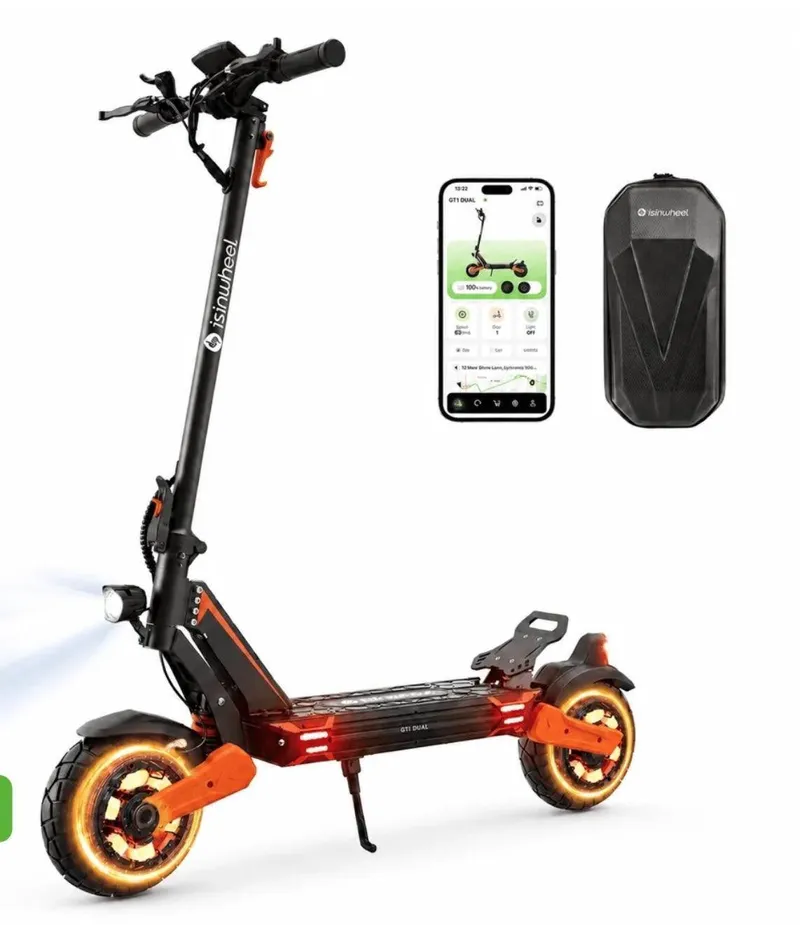
From Sports Training to Outdoor Adventures: What to Know About Off Road E Scooter Design
Introduction
Electric scooters have become a popular choice for personal transportation, sports training, and outdoor recreation. While standard electric scooters are designed mainly for smooth roads and city streets, off-road models are built to handle more challenging environments. From uneven trails and grassy fields to dirt paths and rocky surfaces, these scooters offer a different riding experience for people who enjoy exploring the outdoors.
An off road e scooter combines powerful performance, durable construction, and specialized features to support riding on a variety of surfaces. Whether used for recreational activities, fitness-related training, or outdoor adventures, understanding its design can help riders choose a suitable model for their needs.
1. Understanding Off-Road Electric Scooter Design
The design of an off-road electric scooter differs from that of a regular commuter scooter. Manufacturers focus on durability, stability, traction, and rider comfort to make the vehicle more suitable for uneven terrain.
One of the most important features is the frame. A strong frame helps support the rider and withstand the additional stresses associated with rough surfaces. High-quality materials, such as aluminum alloys and reinforced components, can help balance strength and weight.
The deck is another essential design element. A wider deck can provide more space for foot placement, while a textured surface helps improve grip during rides. These features can be especially useful when traveling over bumpy paths or changing terrain.
Ground clearance also matters. Adequate clearance helps reduce the likelihood of the scooter's underside contacting rocks, roots, or other obstacles. Together, these design features contribute to a more controlled riding experience.
2. The Importance of Tires and Suspension
Tires play a major role in determining how an electric scooter performs outdoors. Unlike the relatively smooth tires found on many urban scooters, off-road models often feature wider tires with deeper tread patterns.
These tires can provide better traction on loose dirt, gravel, and grassy surfaces. Their design helps the scooter maintain contact with the ground when conditions change. However, traction varies depending on tire quality, surface conditions, and tire pressure.
Suspension is equally important. Front and rear suspension systems can absorb some of the impact caused by bumps and uneven ground. This helps reduce vibrations reaching the rider and may improve comfort during longer trips.
Some models use spring suspension, while others feature hydraulic or adjustable systems. The best option depends on the terrain, scooter weight, and intended use.
When comparing models, riders should consider tire size, tread pattern, suspension quality, and the availability of replacement parts.
3. Using Electric Scooters for Sports Training
Electric scooters can be part of outdoor recreation and certain training activities. Riders may use them to travel between training locations, explore outdoor routes, or incorporate balance and coordination into recreational riding.
Steering through gentle turns and responding to changes in terrain can encourage riders to develop better awareness of their surroundings. However, electric scooters do not provide the same physical workout as running, cycling, or other activities that require sustained physical effort.
For sports-related use, controllability is more important than maximum speed. Responsive brakes, predictable acceleration, stable handling, and a comfortable riding position can make a significant difference.
Beginners should start on flat, open ground and become familiar with the scooter's controls before attempting more demanding routes. Protective equipment, including a properly fitted helmet, knee pads, and elbow pads, can help reduce the risk of injury.
4. Battery Capacity and Motor Performance
Motor power and battery capacity are two important specifications to evaluate when selecting an off-road electric scooter.
A motor provides the power needed to move the scooter and maintain momentum. Models designed for challenging terrain may offer higher motor output to help manage inclines and changes in surface resistance. However, greater power does not automatically guarantee better handling or safety.
Battery capacity influences how far the scooter can travel between charges. Actual range depends on several factors, including rider weight, terrain, temperature, speed, tire pressure, and battery condition.
Riding uphill or across loose surfaces generally requires more energy than traveling on smooth pavement. For this reason, the manufacturer's advertised range should be treated as an estimate rather than a guaranteed result.
Before purchasing a scooter, consider the distance you intend to travel, the availability of charging facilities, and the time required to recharge the battery.
5. Safety Features for Outdoor Adventures
Outdoor environments can present unexpected challenges, including loose gravel, wet ground, steep slopes, and limited visibility. A well-designed scooter should include features that help riders maintain control and respond safely to changing conditions.
Reliable brakes are essential. Disc brakes are common on performance-oriented models, while some scooters combine mechanical and electronic braking systems. Regardless of the system, brakes should be tested regularly and maintained according to the manufacturer's recommendations.
Lighting is another important consideration. Front lights help illuminate the path, while rear lights and reflectors improve visibility to others. Some models also include turn indicators and brake lights.
Riders should avoid flooded paths, unstable surfaces, and terrain beyond their experience level. They should also check local regulations because some areas restrict electric scooter use on public roads, pedestrian paths, or designated trails.
6. Comfort and Practical Features
Comfort becomes increasingly important during longer outdoor rides. Handlebar height, grip design, deck width, and suspension setup can influence how easily a rider controls the scooter.
Ergonomic grips may reduce hand discomfort, while a suitable riding position can make steering feel more natural. Foldable designs can also make transportation and storage easier, although folding mechanisms should be checked for strength and reliability.
Weight is another practical factor. Heavy-duty models may offer additional durability and performance, but they can be difficult to carry or transport in a vehicle. Buyers should balance performance requirements with everyday convenience.
Water-resistance ratings also deserve attention. Although some scooters are designed to withstand light splashes, this does not mean they are waterproof or suitable for deep water. Always check the manufacturer's guidance before riding in wet conditions.
7. Choosing the Right Off-Road Electric Scooter
Selecting the right model begins with identifying how and where it will be used. A scooter intended for occasional recreational rides may not require the same specifications as one designed for frequent trail use.
Consider the following factors before making a decision:
- Terrain compatibility: Choose tires and suspension suited to the surfaces you expect to encounter.
- Battery range: Select a model that comfortably covers your planned journeys.
- Braking performance: Prioritize reliable brakes and accessible replacement components.
- Build quality: Look for a durable frame, secure folding mechanisms, and quality construction.
- Rider comfort: Evaluate the deck, handlebars, grips, and suspension.
- Safety equipment: Check lighting, reflectors, and other available safety features.
- Maintenance: Consider tire replacement, brake servicing, battery care, and access to spare parts.
It is also helpful to review the manufacturer's specifications, warranty terms, and maintenance recommendations before purchasing.
Conclusion
Off-road electric scooters combine practical engineering with outdoor recreational possibilities. Their specialized tires, suspension systems, durable frames, and powerful motors help distinguish them from conventional city scooters.
From recreational riding to exploring suitable outdoor trails, the right design can improve comfort, stability, and overall usability. Choosing an off road e scooter requires careful consideration of terrain, battery range, braking performance, build quality, and safety features.
By understanding these design elements and selecting a model that matches their intended use, riders can make more informed decisions and enjoy outdoor adventures with greater confidence.