How to Organize an Event in Florida: A Complete Planning Guide
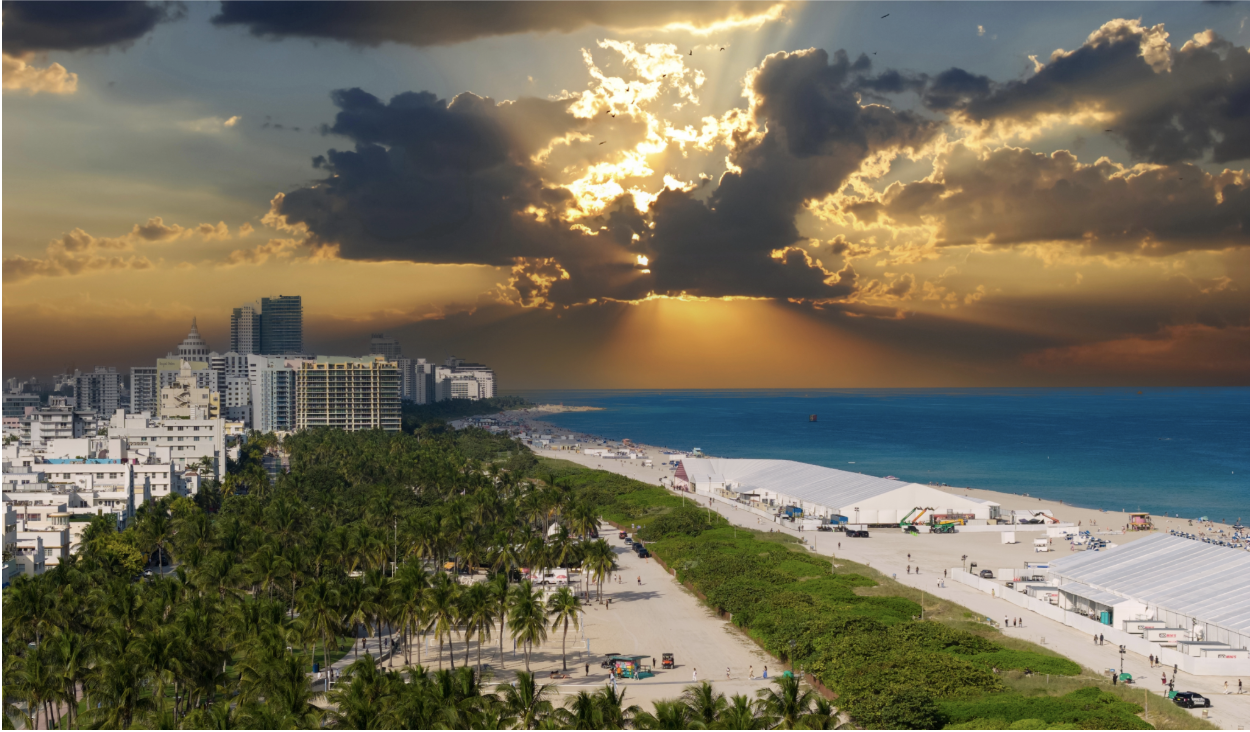
Florida is a well-known destination in the United States for hosting events. It has a year-round appeal, diverse venues, coastal locations, and an extensive hospitality industry. And that’s what makes it an attractive choice for corporate conferences, outdoor festivals, weddings, sporting events, charity fundraisers, and private celebrations.
However, organizing an event in Florida has some things to consider. Weather conditions, local regulations, venue availability, transportation, and visitor expectations can all affect the event.
It is important to have a plan whether you are organizing a small business gathering in Miami, a corporate conference in Orlando, or a large outdoor festival in Tampa.
Organizing an event involves bringing together several moving parts, from setting a realistic budget to coordinating suppliers and ensuring guests have everything they need throughout the day. Similarly, water refill stations for events are also an important aspect of an event. Strategically positioning these stations near entrances, food areas, seating zones, and high-traffic walkways makes them easier to find and use.
Here is a practical guide to planning an event in Florida, covering the essential steps from the initial idea to the final preparations.
1. Event's Purpose and Objectives
A successful event begins with a clear purpose. Before contacting venues or booking suppliers, put down what you want the event to achieve.
For example, a corporate event might be focused on networking, product launches, or employee engagement. A public festival attracts visitors, supports local businesses, or raises money for a charitable cause.
Your objectives will influence almost every planning decision, including the location, format, audience, and budget.
Identify the main purpose of the event, your target audience and expected attendance, the preferred date and duration, whether the event will be indoor, outdoor, or a combination of both, the experience you want attendees to have and how you will measure the event's success.
Setting measurable objectives also makes it easier to evaluate the results afterwards. Attendance figures, ticket sales, audience engagement, and attendee feedback are useful indicators.
2. Have a Realistic Event Budget
Budgeting is one of the most important parts of event planning. Without a clear financial framework, expenses can add up drastically by the end of the event.
Have a detailed budget covering the main operational costs. These commonly include:
- Venue hire and associated fees.
- Catering and refreshments.
- Audio-visual equipment and staging.
- Decorations and furniture.
- Marketing and promotional activities.
- Event staff and security.
- Transportation and parking.
- Insurance and permits.
- Restrooms, sanitation, and waste management.
Reserve approximately 10–15% of the overall budget for unexpected expenses. Last-minute equipment requirements, supplier changes, and weather-related adjustments can all affect the final cost.
For ticketed events, estimate how many tickets you need to sell to cover your expenses. For corporate gatherings, establish whether the event will be funded internally, through sponsorships, or through a combination of revenue sources.
3. Choose the Right Location and Venue
Florida has a wide range of event venues, from beachfront resorts and convention centres to historic properties, outdoor parks, and private estates.
The right venue depends on the event's purpose, audience size, and overall atmosphere.
Consider the following when comparing locations:
Capacity: Ensure the venue can accommodate your expected attendance comfortably, including space for registration, seating, catering, and networking.
Accessibility: Consider parking, public transportation, accessible entrances, and facilities for guests with disabilities.
Facilities: Check whether the venue provides furniture, restrooms, electricity, Wi-Fi, catering facilities, and audio-visual equipment.
Location: Consider how easily attendees can reach the venue, particularly if guests are travelling from outside Florida.
Weather protection: For outdoor events, investigate covered areas, indoor alternatives, and suitable arrangements incase of a heavy rain or extreme temperatures.
Visit potential venues before committing. A site inspection can reveal practical issues that might not be obvious in photographs or promotional materials.
4. Understand Florida's Event Permits and Regulations
One area that organizers should never overlook is compliance with local regulations.
Permit requirements depend on the event's location, activities, attendance, and the services being provided. Requirements can differ by municipality and county.
Depending on the event, you may need to investigate special event permits from the relevant local authority, park or public-property use authorizations, and temporary food service licences, alcohol-related permits, where applicable, fire safety and temporary structure approvals and noise restrictions and traffic management requirements.
Florida's Department of Business and Professional Regulation (DBPR) provides guidance for temporary food service events. For qualifying public events lasting 30 days or less, organizers and participating food vendors must follow applicable notification and licensing requirements. The department advises event sponsors to provide relevant event and vendor information at least three business days before the scheduled event.
If your event takes place on wildlife management areas or other land managed by the Florida Fish and Wildlife Conservation Commission, additional authorisation may be necessary. This can apply to activities involving vendors, temporary infrastructure, public safety, and environmental considerations.
Contact the relevant authorities instead of assuming that a venue booking automatically covers every required approval.
5. Plan Catering, Drinking Water, and Guest Facilities
Guest comfort is an essential part of planning a successful event. People are more likely to enjoy an event when basic facilities are easy to access and thoughtfully organized.
Food and beverages should reflect the event's duration, audience, and setting. Consider dietary requirements, vegetarian options, food allergies, and appropriate catering arrangements.
Drinking water deserves particular attention in Florida, especially during outdoor events.
High temperatures and humidity can make outdoor activities physically demanding. Guests attending sporting events, festivals, concerts, and corporate gatherings may spend several hours walking or standing in the sun.
Organizers should therefore make drinking water readily available throughout the venue.
Providing event water stations in Florida can help organizers establish convenient hydration points without relying exclusively on individually packaged bottled water.
When arranging water facilities, consider expected attendance and event duration, the number and location of hydration points, access to a suitable water supply, station capacity and refill requirements, accessibility for people with disabilities, and regular cleaning and maintenance and clear signage directing guests to drinking water.
6. Prepare for Florida's Weather Conditions
Weather planning is particularly important for events in Florida.
Although the state is known for its sunshine, outdoor events can be affected by heavy rainfall, thunderstorms, extreme heat, and tropical weather systems.
The Atlantic hurricane season officially runs from June 1 through November 30. Organizers scheduling events during this period should plan for weather-related disruption.
Build contingency arrangements into the event plan. These might include an indoor alternative or covered venue, a clearly communicated postponement policy, emergency evacuation procedures, access to weather alerts and forecasts, flexible supplier and venue contracts, and a communication plan for attendees.
Having a backup plan does not mean expecting the worst. It means ensuring that organizers can respond quickly if circumstances change.
7. Coordinate Suppliers, Staff, and Event Logistics
Even a well-planned event can run into problems if suppliers and staff aren't properly coordinated.
Create a supplier list covering every service required, including catering, entertainment, equipment hire, security, cleaning, transportation, and temporary infrastructure.
Confirm the following with each supplier:
- Scope of work and delivery requirements.
- Pricing and payment arrangements.
- Setup and breakdown schedules.
- Equipment specifications.
- Contact details for event-day representatives.
- Cancellation and contingency arrangements.
Prepare a detailed event-day schedule showing when suppliers should arrive, when equipment must be installed, when registration opens, and when each activity begins.
Assign specific responsibilities to team members. Having one person oversee registration, another coordinate suppliers, and another manage guest enquiries reduces confusion.
A central point of contact also makes it easier to resolve unexpected issues without disrupting the entire event.
8. Promote the Event and Manage Registrations
Marketing should begin once the event details and venue have been confirmed.
The promotional strategy will depend on the audience. Corporate events may benefit from LinkedIn campaigns, industry newsletters, and direct invitations. Public festivals and community gatherings may require social media advertising, local partnerships, email marketing, and media coverage.
Create a dedicated event webpage containing:
- Event date, location, and timings.
- Registration or ticket-purchasing information.
- A description of the programme.
- Speaker or performer details, where relevant.
- Parking and transportation information.
- Accessibility arrangements.
- Contact details for enquiries.
Make registration straightforward and send confirmation emails with essential information.
In the weeks leading up to the event, share reminders, programme updates, and practical details to keep registered attendees informed.
9. Carry Out a Final Inspection Before the Event
A final walkthrough helps identify problems before guests arrive.
Ideally, inspect the venue once the main equipment and facilities have been installed.
Check that registration areas are clearly marked, walkways are unobstructed, emergency exits are accessible, and signage is visible.
Test microphones, screens, lighting, and internet connectivity. Confirm that catering deliveries are scheduled and that drinking water, restrooms, and waste facilities are ready.
Brief staff and suppliers on their responsibilities, emergency procedures, and the event schedule.
It is also useful to conduct a short rehearsal for presentations, performances, and other important programme elements.
10. Evaluate the Event and Gather Feedback
Event planning does not end when the last guest leaves.
A post-event review helps identify what worked, what needs improvement, and whether you achieved the original objectives.
Review attendance, ticket sales, expenditure, supplier performance, and feedback from attendees.
You can also measure website traffic, registration conversions, and promotional campaign performance through Google Analytics 4.
For example, GA4 can help identify which marketing channels generated event registrations, which landing pages attracted visitors, and how users interacted with the event website.
Use these findings to improve future events and make more informed decisions about marketing budgets and operational requirements.
Conclusion
Learning how to organize an event in Florida requires careful preparation, attention to detail, and an understanding of the practical challenges associated with hosting gatherings in the state.
From selecting the right venue and securing permits to preparing for unpredictable weather and providing accessible drinking water, every decision contributes to the overall guest experience.
The most successful events are rarely the result of last-minute arrangements. They come from realistic budgets, reliable suppliers, clear communication, and thoughtful consideration of attendees' needs.
By following a structured approach to event planning, organizers can create experiences that run smoothly, meet their objectives, and leave guests with a positive impression long after the event has finished.