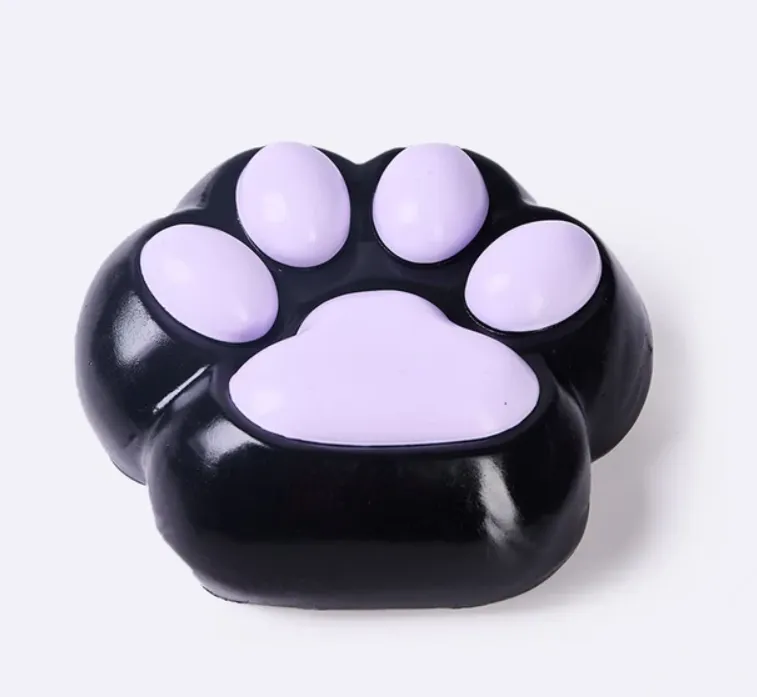
Pre-Match Nerves & Grip Recovery: How Tactile Squeeze Tools Help Athletes and Fans Manage High-Stakes Stress
The tunnel before kick-off. The final minutes of a tight game. The penalty shootout that has a whole stadium holding its breath. Big sporting moments bring big emotions, for the players on the pitch and for the fans watching every second. Learning to manage that pressure is part of performing well and enjoying the game.
Quick answer: Tactile squeeze tools help athletes and fans manage high-stakes stress by giving tense hands a controlled way to release pressure. A slow, full-palm squeeze paired with steady breathing can help the body move out of a tense, alert state and back toward calm focus. Larger, softer tools that fill the whole hand tend to feel more effective than small fidget toys.
In this article, we look at the link between grip tension and focus, why full-palm resistance works better than small fidgets, how to compare oversized sensory tools, and how to add hand relaxation to post-game recovery.
The Link Between Hand Grip Tension, Cortisol, and Focus Under Pressure
When we feel stressed, the body releases hormones such as cortisol and adrenaline. These are part of the natural stress response. They help us react quickly, but too much tension can hurt performance and make it hard to think clearly.
Where stress shows up in the body
- Clenched jaw
- Raised, tight shoulders
- Fast, shallow breathing
- Tight fists and tense grip
Why grip tension matters
Many athletes notice that stress shows up in their hands first. A tennis player may squeeze the racket too hard. A goalkeeper may stiffen their fingers before a penalty. A fan may grip their seat or scarf during a nervous moment. Too much grip tension can spread to the arms and shoulders and affect fine movements.
Using the hands to calm the body
The good news is that this link can work both ways. Just as stress tightens the hands, deliberately tensing and then relaxing the hands can help the body let go of tension. This idea is similar to progressive muscle relaxation, a well-known technique where you tense and release muscle groups one by one.
| Under pressure | What it can lead to |
|---|---|
| Tight grip | Tense arms and shoulders |
| Shallow breathing | Faster heart rate, less focus |
| Racing thoughts | Poor decisions |
| Controlled squeeze and release | Calmer breathing and better focus |
Why Full-Palm Resistance Beats Small Fidget Spinners for Deep Stress Relief
Fidget spinners and small clicky toys became popular for keeping fingers busy. They can help with mild restlessness, but they do not offer much for deep, physical tension.
The problem with small fidgets
- They use only the fingertips.
- They do not give much resistance.
- They can be noisy in quiet moments.
- They do little to release tension in the whole hand.
Why full-palm squeezing works better
When you wrap your whole hand around a soft object and squeeze, you work the fingers, palm, and forearm together. The soft resistance gives your muscles something to push against. Then, when you release, the whole hand relaxes at once. This gives a much stronger "letting go" feeling.
A simple pre-match routine
- Hold the squeeze tool in your dominant hand.
- Breathe in for four seconds while squeezing firmly.
- Hold for two seconds.
- Breathe out for six seconds while slowly releasing.
- Repeat five times, then switch hands.
This is quick enough to do in a changing room, on the bench, or in the stands.
A great tool for this is the giant taba squishy from the Big Hugs range. These oversized silicone squeeze toys are designed to fill the whole hand, so you can grip them firmly and feel the full release. Their soft, slow rise also gives your eyes something calm to focus on while you breathe, which can help quiet a busy mind before a big moment.
Comparing Oversized Sensory Formats for Match-Day Anxiety
Not all large squeeze tools feel the same. Size, softness, and how quickly they bounce back all change the experience.
Things to compare
- Size: Larger tools give a full-palm grip. Smaller ones are easier to carry.
- Resistance: Some feel very soft, while others push back more.
- Rebound speed: Slow-rise tools give a calmer, more mindful feel. Fast-bounce tools feel more energetic.
- Material: Silicone feels smooth and lasts well. Foam can be lighter but wears out faster.
- Portability: Think about whether it fits in your kit bag or jacket pocket.
| Format | Size | Feel | Best use |
|---|---|---|---|
| Mini squeeze toy | Fits in fingers | Light, quick | Pocket, travel |
| Standard squeeze toy | Fits in palm | Medium | Desk, commute |
| Giant squeeze toy | Fills whole hand | Deep, slow rise | Pre-match, recovery |
| Grip trainer | Hand-sized | Firm, springy | Strength training |
For fans and players who want a deeper squeeze with a calming slow rebound, a giant dumpling squishy is worth looking at. Its large, round, bun-like shape fits naturally into the palm, and the soft silicone gives steady resistance without feeling hard. It sits comfortably in a bag, so it can come along to training, travel days, and big games.
Incorporating Hand Relaxation into Post-Game Recovery Routines
Recovery is not only about legs and lungs. After intense games or training, hands, forearms, and the mind also need time to reset.
Why hand recovery matters
- Many sports involve repeated gripping, such as rackets, bats, sticks, or handlebars.
- Goalkeepers and climbers put heavy load on their fingers and forearms.
- Mental tension from a big game often stays in the body after the final whistle.
A simple post-game hand routine
- Gentle squeezes: 10 slow squeezes with a soft tool in each hand.
- Finger stretches: Spread your fingers wide, hold for five seconds, then relax.
- Wrist circles: Rotate each wrist slowly in both directions.
- Breathing reset: Take five deep breaths with your eyes closed.
- Reflect: Think of one thing that went well in the game.
For fans too
Watching a high-pressure game can leave fans feeling drained. A short hand and breathing routine after the match can help you wind down, especially after a late kick-off.
Note: Squeeze tools are a simple relaxation aid. For injuries, pain, or ongoing anxiety, please speak to a physiotherapist, sports medicine professional, or health provider.
Key Takeaways
- Stress often shows up as grip tension, which can spread to the arms and affect focus.
- Squeezing and then releasing the hands can help the body let go of tension.
- Full-palm, oversized squeeze tools offer deeper relief than small fingertip fidgets.
- Compare size, softness, and rebound speed to find the right tool for match day.
- Hand relaxation is a useful part of post-game recovery for athletes and fans.
Frequently Asked Questions
Do stress balls help with sports anxiety?
Many athletes and fans find that a slow squeeze-and-release routine with breathing helps them feel calmer before and during big moments.
What is the difference between a grip trainer and a squeeze toy?
A grip trainer is firm and built to build hand strength. A soft squeeze toy is designed for relaxation and gentle stress relief.
Why choose a large squeeze toy?
Larger squeeze toys fill the whole hand, so you can release tension from your fingers, palm, and forearm at the same time.
When should athletes use a squeeze tool?
They can be used before a match to calm nerves, during breaks, and after games as part of a recovery routine.
Final Thoughts
Pressure is part of sport, but it does not have to take control. Simple tools and habits, like a slow squeeze and a deep breath, can help athletes stay focused and help fans enjoy the ride. Sometimes the biggest moments call for the simplest reset.