The Biggest Contenders Emerging at the 2026 FIFA World Cup
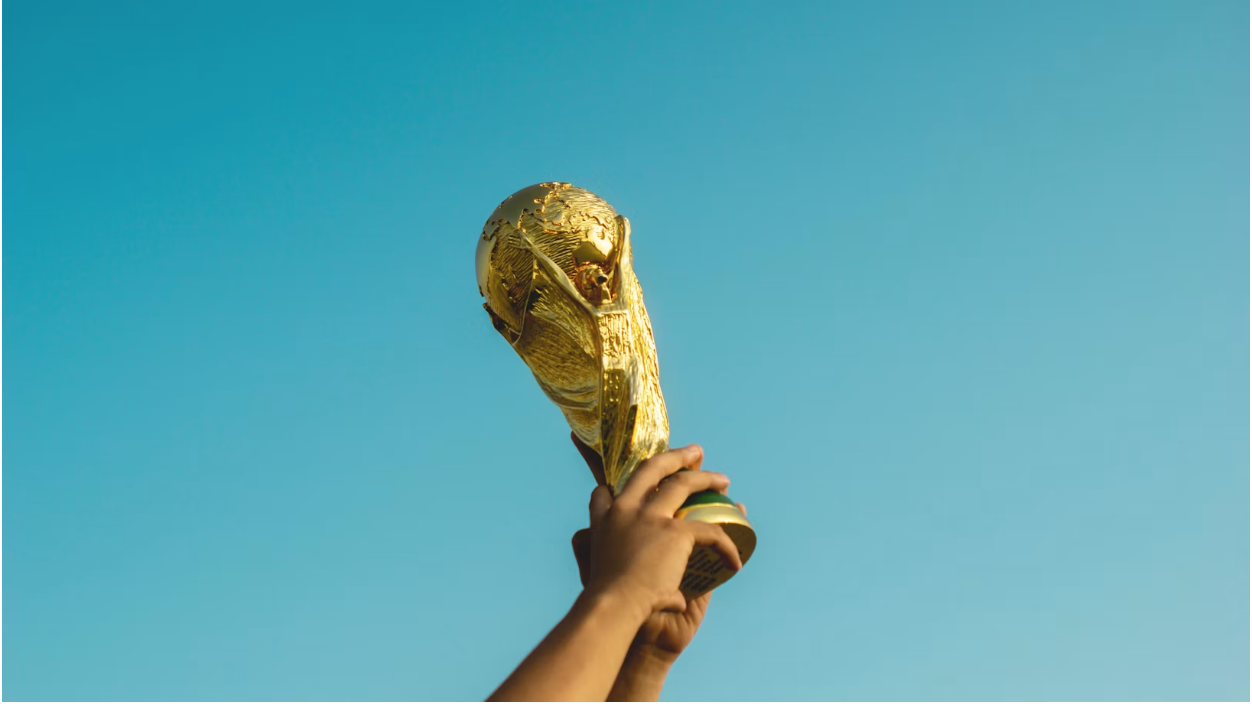
The first week rarely defines a tournament, yet it reveals more than most are willing to admit at that stage. In this expanded 48-team World Cup, early matches have already tested structure, rhythm, and composure across several established contenders.
Germany looks sharp, England is composed, and the United States is direct in a way that unsettles opponents. Argentina moves with quiet control, while France remains imposing without fully revealing itself. Nothing is settled, though early signals are already taking shape.
Germany
Germany’s opening statement landed with force. A 7-1 win against Curaçao wasn’t just about goals; it was about tempo, control, and the feeling that everything unfolded exactly on their terms. Matches like that don’t just finish early; they settle early.
Their structure looks fluid, almost unsettled in motion, yet controlled. Midfielders drift into pockets that only appear once occupied. The press arrives quickly, sometimes impatiently, but never randomly. From the outside, it feels overwhelming; yet nothing looks chaotic.
There is also a quieter calculation beneath it. Goal difference carries more weight in this format, and Germany seems fully aware of that edge. Every additional goal changes more than the scoreline. It shifts positioning, pressure, and expectation.
With that kind of start, conversations around them begin to tighten. Early projections around World Cup winner odds start to adjust when a team controls matches so completely. It’s not just the winning. It’s how little space the opponent ever seems to find.
England
England’s opening win over Croatia didn’t always carry spectacle, but it showed structure, control, and patience that often gets overlooked in tournament football.
Thomas Tuchel’s system feels layered rather than moment-based. Bellingham drives forward, Kane drops, wide players stretch lines that resist stretching. From a distance it can look simple, though the timing behind it is anything but.
There were moments when England didn’t force play. They waited, absorbed, then broke through anyway without panic or rush. That patience often draws opponents forward, only to expose space when the tempo finally shifts.
Their strength lies there. Not in chaos or improvisation, but in keeping shape while applying steady pressure. Opponents are rarely allowed a sustained rhythm against them. In an eight-match tournament, that control may matter more than flair.
United States
The United States brings something different. The rhythm is faster, sometimes almost abrupt. Against Paraguay, their 4-1 win felt like a match moving between calm possession and sudden acceleration, almost without warning.
Transitions define them. Win the ball, move it forward quickly, test space before it closes. Pulisic drifts into pockets, Balogun runs beyond the line, midfielders arrive slightly later, but often in dangerous areas. That makes them challenging against teams that push forward.
Home support adds another layer. It alters tempo in ways that don’t always appear in data. A pass released early, a tackle arriving sharper than it should, momentum that feels emotional rather than tactical. It also shapes how players commit in key moments.
Control isn’t always their strength, and that may be intentional. In this format, disruption has value. Structured teams often struggle when forced to reset under constant pressure.
Argentina
Argentina looks familiar, which isn’t the same as predictable. Their 3-0 win over Algeria carried a calm authority. Nothing rushed. Nothing was wasted, even when space opened briefly and others might have pushed harder.
They defend in tight spaces, compact enough to unsettle opponents trying to play through them. Midfield lines stay connected. Wide areas are protected without panic. It’s a structure that reduces risk rather than reacting to it.
Messi still shapes matches, though not always through obvious moments. Sometimes it is the timing of a pass. Sometimes the pause before a decision that others might rush. He remains central, even in quieter phases of play across the full rhythm of matches.
Control defines them. So does efficiency. Few teams look as comfortable when matches slow down or lose rhythm, a strength apparent when reviewing 2026 FIFA World Cup stats and analysis.
France
France arrives with a different kind of confidence. Less about structure, more about inevitability, as if results sit slightly ahead of the performance itself. That sense has followed them through early group-stage fixtures.
There are moments when they don’t look fully in control, then the match turns. A sprint down the wing, a duel won in space that shouldn’t open, a finish shaped by pure physical instinct. It often takes just one sequence to shift momentum completely.
Depth is central. Substitutes don’t reduce quality, they extend it. Matches rarely finish against France in the same shape they start. Fresh legs often raise intensity rather than reset it.
They can win in multiple ways, which makes them hard to define. Preparation feels partial at best. It’s early, but their ceiling still feels unmatched over 90 minutes. That flexibility is what separates them from most contenders.
Early Signals Pointing Toward a Split Tournament Hierarchy
A week into the tournament, separation feels less like theory and more like something visible in real time across matches. Differences between contenders are emerging earlier than expected. Early group games are already shaping long-term trajectories.
Some teams rely on structure, others on momentum, while a few depend on speed, physical mismatch, or depth that only shows late. The expanded format allows more margin for error, but it also exposes identity faster. Teams with clarity are already rising.
Goal difference now shapes positioning as much as qualification. Small margins decide Round of 32 pathways. A tactical preview of these shifts is explored in this World Cup 2026 tactical preview about why the 48-team format will reshape how we read this tournament.
Early Leaders, Unfinished Story
It’s easy to overread the opening week. Early wins become narratives, early mistakes become warning signs, then everything shifts again. What matters more now is control, depth, and the ability to stay intact when matches turn unpredictable or slightly chaotic.
The Round of 32 will reset expectations once more. Germany, England, Argentina, France, and the United States are already edging forward, though separation remains thin. Still early, still open, but patterns are starting to hold in the wider group stage context.
*Content reflects information available as of 18/06/2026; subject to change