The Comeback: Why Sport's Greatest Moments Happen When It Looks Over
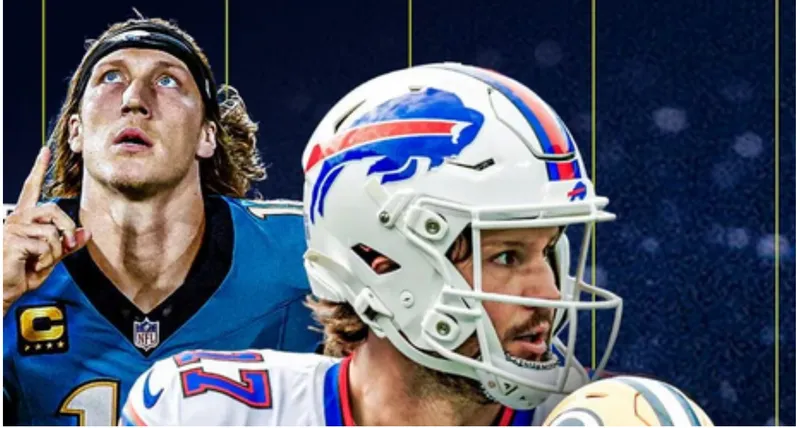
The first phase of the NFL has come to an end with many surprises and disappointments. The predictions at the beginning of the season did not materialize, and teams that were not favored to win the title have had the best campaigns so far…
There's a specific kind of tension that builds when a team or athlete is down and running out of time. Most fans have half-checked out mentally, expecting the inevitable. And then, occasionally, something shifts — a goal out of nowhere, a sudden run of momentum, a single play that changes the entire complexion of the game. Comebacks are rare precisely because they require everything to go right at once, and that rarity is exactly what makes them some of the most talked-about moments in sports history. For fans who want to catch these moments live rather than hear about them after the fact, bizbet link keeps a wide enough spread of matches running that there's always a chance to watch one unfold in real time.
Why Most Comebacks Never Happen
It's worth remembering that comebacks are the exception, not the rule. In the vast majority of matches, a significant lead late in the game holds up. Teams that fall behind by a wide margin usually lack the time, energy, or tactical flexibility to fully reverse the outcome. This is precisely why a genuine comeback stands out — it requires the losing side to solve multiple problems simultaneously: fatigue, a shrinking window of time, and an opponent that's often playing conservatively to protect a lead.
Understanding how rare comebacks actually are makes them more meaningful when they do happen. It's not just a nice storyline — it's a genuine deviation from how these situations play out almost every other time.
The Mental Shift Behind a Turnaround
Comebacks often hinge on a psychological turning point as much as a tactical one. A single moment — an unexpected goal, a missed opportunity by the leading side, a crowd suddenly finding its voice — can shift belief on the losing team's bench in a way that changes body language and decision-making almost instantly. Meanwhile, the team in the lead can begin playing more cautiously, sometimes unconsciously shifting from an attacking mindset to a defensive one, which paradoxically increases the pressure on itself.
This mental shift is often what separates a near-comeback from a completed one. Talent and fitness matter, but the belief that a turnaround is actually possible tends to be the ingredient that determines whether it happens at all.
Comebacks Across Different Sports
Basketball comebacks tend to unfold fast, given the sport's pace and frequent scoring — a ten-point deficit can disappear in a matter of minutes with the right run. Football comebacks are rarer and often more dramatic precisely because goals are harder to come by, meaning a two- or three-goal deficit late in a match feels like an almost insurmountable gap until, occasionally, it isn't. Combat sports have their own version entirely — a fighter down on every judge's scorecard heading into a final round, finding a single decisive moment to completely flip the outcome.
Each sport's structure shapes what a comeback actually looks like, but the underlying pattern is consistent: a losing side finding a way to shift momentum against odds that heavily favored the other side.
Why These Moments Stay Memorable
Comebacks tend to be remembered far longer than routine victories, even ones with higher stakes. Part of this is simply due to how much they defy expectation — fans remember being surprised more vividly than they remember being confirmed right. There's also a shared emotional arc to a great comeback: the growing sense of resignation, followed by a spark of belief, then the escalating tension as the gap closes. That arc mirrors storytelling structures found well beyond sports, which is part of why these moments resonate with even casual viewers who weren't necessarily invested in either side beforehand.
Staying Connected When It Matters Most
The problem with comebacks is that they're impossible to predict in advance — by definition, they happen in matches that look decided well before the final whistle. Fans who want a real shot at witnessing one live need to stay connected throughout the entire match, not just the closing minutes. The bizbet app makes it easy to follow live scores and match progress from anywhere, so a dramatic final stretch doesn't go unnoticed just because a screen wasn't nearby.
The Appeal of the Unlikely
Comebacks endure in sports culture because they represent something fans want to believe is possible, even when the numbers say otherwise. They're proof that a match isn't truly over until it actually ends, no matter how lopsided the scoreline looks with time running out. That small but persistent chance of the unlikely happening is part of what keeps fans watching until the final whistle, rather than switching off the moment a result seems settled.
Credits
Words
Zach Lowy