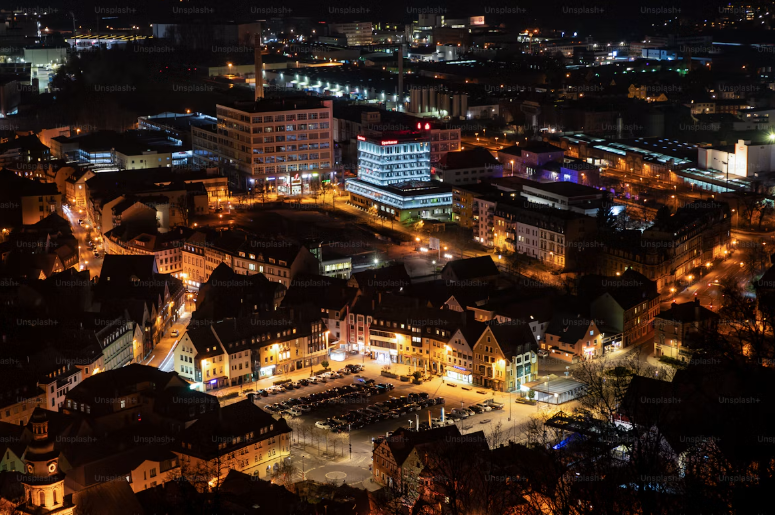
Why Exploring Local Neighbourhoods Can Make a Trip More Rewarding
It is tempting to plan a trip around the places everyone talks about. Famous landmarks, popular restaurants and well-known attractions usually make it onto the itinerary first. They are worth visiting, of course, but they do not always tell you what a destination is really like.
Sometimes, the most memorable experiences happen away from the main tourist areas. A quiet street with independent shops, a local market full of familiar faces or a small café serving an excellent breakfast can reveal something that a guidebook might overlook.
Exploring local neighbourhoods gives travellers a chance to experience a destination at a more natural pace. Instead of simply moving between attractions, they can discover how people live, work and spend their time.
Discover Places You Would Otherwise Miss
Popular attractions tend to draw visitors towards the same streets and squares. While these places can be impressive, following the same routes as everyone else can make a trip feel predictable.
Taking a different turn can lead to unexpected discoveries.
You might find a family-run bakery, a second-hand bookshop or a small park where residents gather during their lunch breaks. These places may not have thousands of online reviews, yet they can become the highlights of a holiday.
There is no need to abandon your original itinerary. Simply leave some room for wandering. An hour spent exploring a nearby neighbourhood can sometimes be more rewarding than rushing towards another attraction.
Local Food Offers a Different Perspective
Food is one of the easiest ways to connect with a place.
Tourist restaurants often provide familiar menus, but neighbourhood cafés, market stalls and independent eateries can offer a more personal introduction to local tastes. You might discover a regional dish you have never tried or learn why a particular ingredient is popular in the area.
Ask local residents where they like to eat. Their recommendations may lead you somewhere you would not have found through a quick search.
It is also worth paying attention to the rhythm of the neighbourhood. A bakery might be busiest early in the morning, while a small restaurant comes alive in the evening. These everyday patterns reveal something about local life beyond the food itself.
Everyday Businesses Help Tell the Story
A neighbourhood is shaped by more than its landmarks. Its independent shops, service businesses and familiar high streets all contribute to its character.
Walking past a traditional market, a small workshop or a local salon can offer a glimpse into the routines of the people who live there. These businesses serve practical needs, but they also help give an area its identity.
Consider a coastal town such as Penarth. Beyond its waterfront and popular places to eat, visitors can explore residential streets, independent retailers and everyday services that reflect the town's local character. Even a business offering barbers Penarth services forms part of the ordinary rhythm that makes a place feel lived in rather than designed purely for visitors.
Not every discovery needs to become a planned activity. Sometimes, simply noticing how a neighbourhood works makes the experience more interesting.
Walking Helps You Notice the Details
Exploring on foot can change the way you experience a destination.
When travelling by car or rushing between public transport stops, it is easy to miss small details. Walking gives you time to notice architectural features, street art, unusual shopfronts and quiet courtyards tucked between larger buildings.
It also makes spontaneous decisions easier. If a street looks interesting, you can follow it. If a café catches your attention, you can stop for a drink without rearranging the entire day.
Of course, some destinations are more suitable for walking than others. Check local transport options and choose routes that are safe and practical, especially after dark or in unfamiliar areas.
Conversations Can Make a Trip More Personal
A brief conversation can sometimes leave a stronger impression than a photograph.
A shopkeeper might recommend a nearby viewpoint. A café owner could explain which local dish is worth trying. Someone waiting for a bus may suggest a quieter beach that visitors often overlook.
These interactions do not need to be long or carefully planned. A friendly question, a genuine interest in local recommendations or a simple thank-you can open the door to small moments of connection.
It is important to respect people's time and privacy, particularly when they are working. The aim is not to treat residents as attractions but to appreciate the opportunity to engage naturally with the community.
You May Find Better Value Away From Tourist Hotspots
Popular areas can be expensive, especially during busy travel periods. Restaurants near major attractions may charge more, while shops in heavily visited districts sometimes focus on tourist purchases.
Exploring residential neighbourhoods can reveal alternatives.
Local cafés, small restaurants and independent shops may offer better value, although prices vary from place to place. Comparing menus and checking recent reviews can help you make sensible choices without sacrificing the experience.
The biggest benefit is not always saving money. It is having more options and finding places that suit your interests rather than simply choosing whatever is closest to a landmark.
Leave Room for Unplanned Discoveries
A detailed itinerary can be useful, especially when a trip is short. But scheduling every hour leaves little room for the unexpected.
Try setting aside part of a day for exploring without a strict destination. Choose a neighbourhood, check the main streets and let curiosity guide you within reason.
You might stumble across a weekend market, discover a small gallery or find a quiet square that becomes your favourite place to take a break.
These moments often feel rewarding because they are personal. You found them yourself rather than following a list of must-see attractions.
Travel Becomes More Meaningful When You Look Closer
Famous sights give a destination its recognisable image, but local neighbourhoods help give it depth.
They show how people use public spaces, what they eat, where they shop and what makes one area different from another. They also remind travellers that a destination is not just a backdrop for a holiday. It is a living place where people have their own routines and stories.
You do not need to spend an entire trip avoiding tourist attractions. Visit the landmarks, take the photographs and enjoy the experiences you have been looking forward to.
Then allow yourself time to look beyond them.
A quiet street, a welcoming café or an unexpected conversation may end up being the part of the trip you remember most.