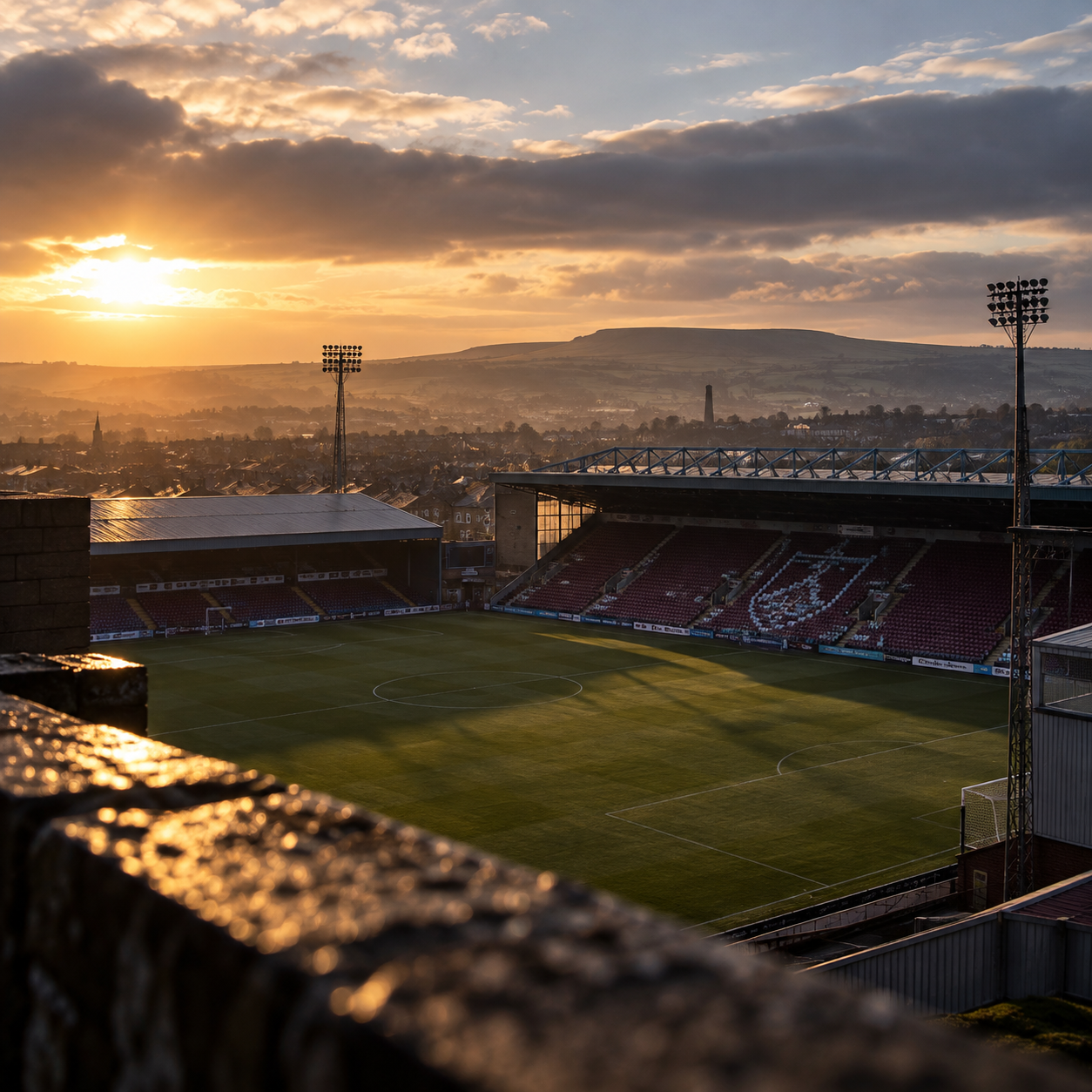
Harry Grimshaw: the quiet apprenticeship of a young goalkeeper
Darren T. Wright
Harry Grimshaw’s development has so far taken place almost entirely away from the spotlight. At 18, the Burnley goalkeeper is still working his way through the club’s academy structure, without a senior appearance to his name and without much of the attention. There was no sense of a player being unveiled, no spotlight following the latest academy name and no reason for anyone outside Burnley or Padiham to take much notice. He was 17, had gone out on a short loan at Padiham FC.
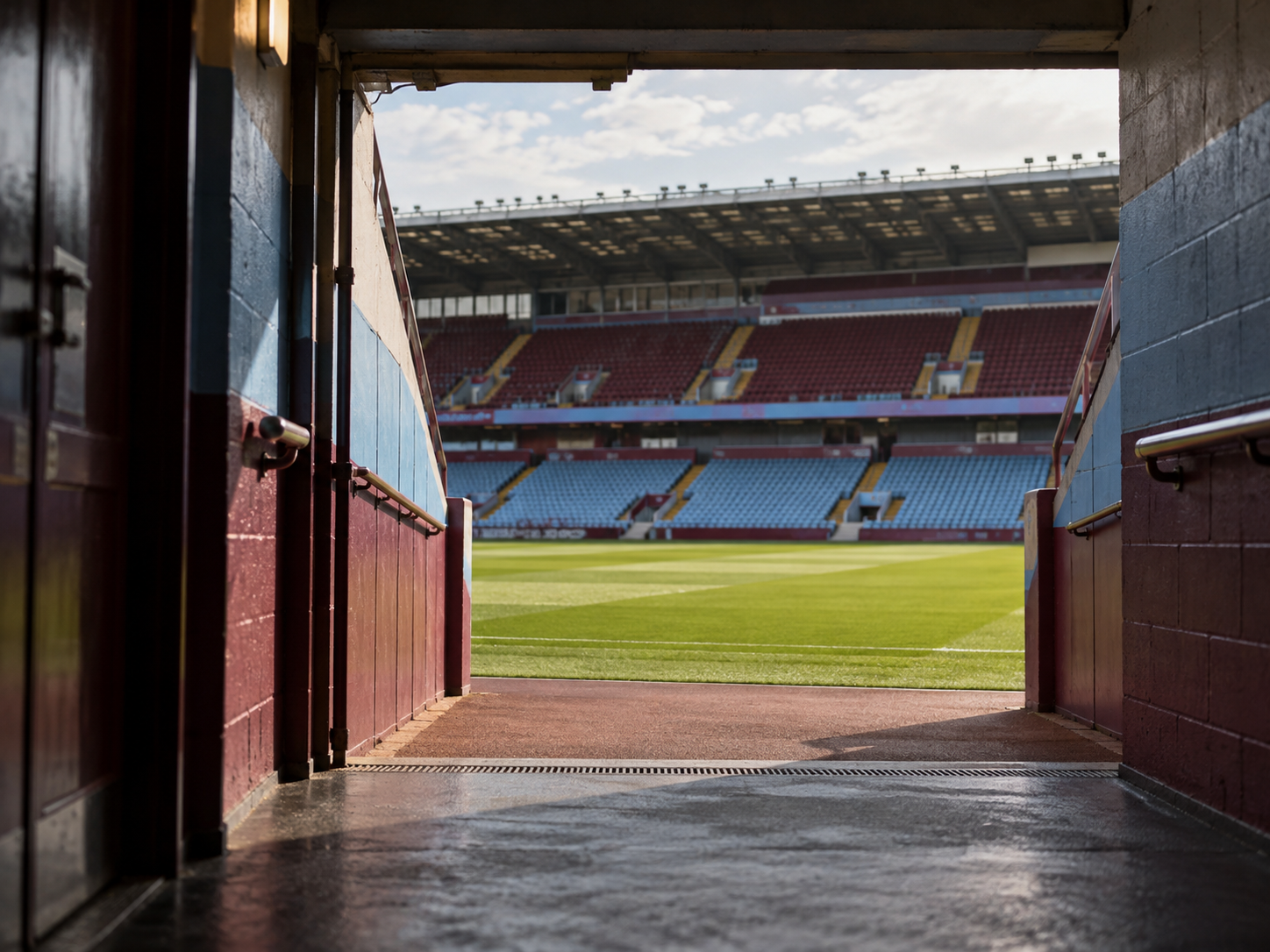
Born on 9 September 2008, Grimshaw entered Burnley’s full-time scholarship programme in 2025 and is now in his second year. He has come through the club’s academy structure and spent time around the Under-18 group, but there has been little of the attention that often follows young players at bigger academies. He is not a goalkeeper whose reputation has raced several years ahead of his career and there has been no obvious attempt to turn him into a future first-team story before the evidence exists.
For the moment, he is simply one of a number of young players trying to move through the system and in his case the next useful step was to leave the academy environment for a while and find out what senior football actually felt like. That is important for any young player, but perhaps especially so for a goalkeeper because the position offers very little possibility of being eased in gently. An outfield player can make a debut with ten minutes from the bench and gradually work towards a start.
A goalkeeper is either playing, or he is not and once he is selected there is no hiding from the responsibility that comes with the position.
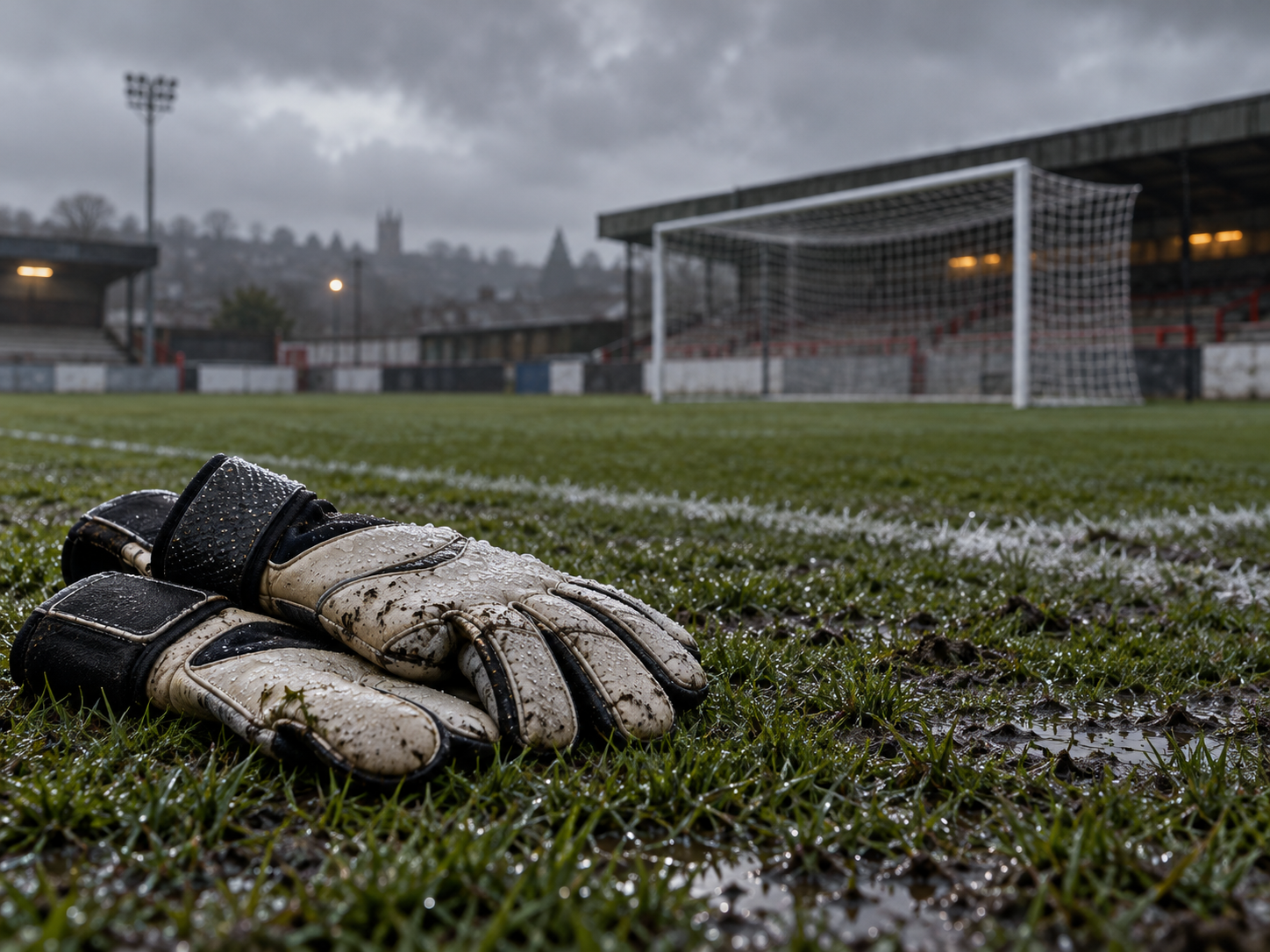
That is why the Padiham loan made sense. The Northern Premier League is obviously a long way from the top end of professional football, but the point was never really the status of the competition. What mattered was the type of football Grimshaw would encounter. Academy matches can be highly technical and carefully structured, whereas senior non-league football has a habit of becoming awkward very quickly.
Penalty areas are crowded, crosses are challenged properly, forwards lean into goalkeepers, second balls become important and games can change direction without much warning. For a young keeper, that can be far more useful than another controlled afternoon in youth football. Grimshaw’s debut at Atherton gave him exactly that kind of experience. Padiham were protecting a narrow lead, and the opposition were still looking for a way back into the match, so every decision began to carry a little more weight.
A cross late in the game feels different when there are points at stake, just as a save in the closing minutes feels different when the players in front of you are desperate to see the game out.
Much of a goalkeeper’s early development now focuses, understandably, on what he can do with the ball. Distribution, positioning in build-up and decision-making in possession have all become central parts of the modern role, and young keepers are expected to be comfortable in situations that would once have belonged almost entirely to outfield players. None of that removes the more traditional demands of the position.
A goalkeeper still has to deal with traffic in the box, judge when to come for a cross, communicate clearly and remain switched on through periods when very little is happening. Those are not always the things that attract attention, but they are often the parts of the position that take longest to learn. Training can prepare a player for them, but matches are what give those lessons weight.
Telling an experienced centre-back where to stand, dealing with a striker who is trying to unsettle you physically or deciding whether to slow a game down when the opposition has momentum are all small parts of senior football that become familiar only through repetition.
Grimshaw’s development so far has been fairly quiet, which may well be a good thing. Youth football is increasingly public, and young players can build reputations before they have done very much at senior level. Clips travel quickly, rankings appear early and it does not take much for a teenager to be discussed as though his next five years have already been mapped out. Grimshaw has largely avoided that kind of attention.
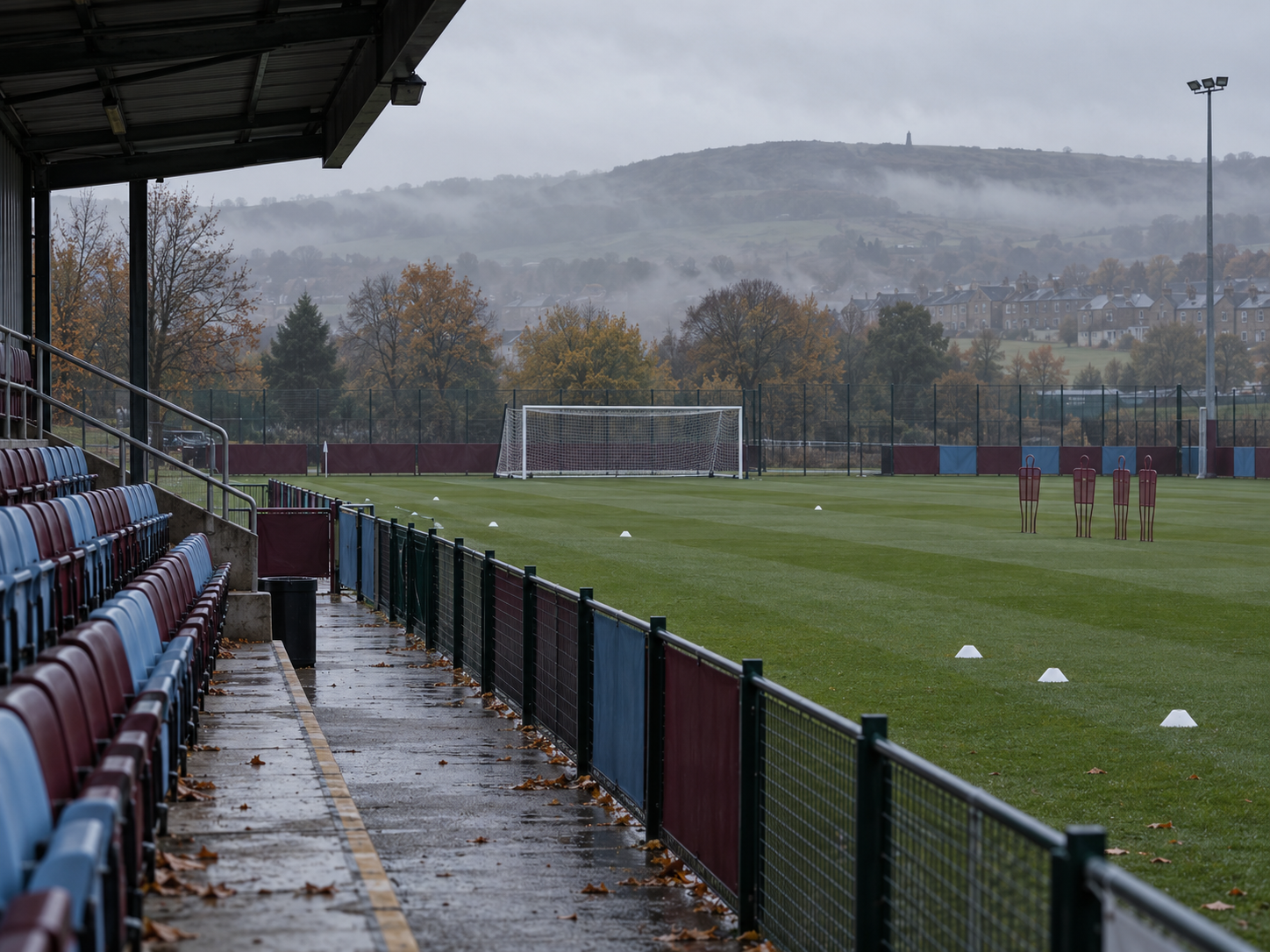
What is more useful at this stage is to look at whether each new environment asks something different of him. Academy football gives him one type of education; the Under-21 level another and senior football something else again. Each step should make the game a little harder and force him to solve problems he has not seen often enough before. Goalkeepers often require time not only to develop physically but also to acquire judgement and authority, and those qualities usually come from playing.
A young keeper may know technically what he should do but still need months or years before he feels completely comfortable taking charge of the players around him.
That is perhaps where Grimshaw’s low profile becomes interesting. He has room to develop without every performance being treated as evidence for or against some larger prediction about his future. He can have a good game without suddenly becoming a breakthrough candidate and he can make mistakes without those mistakes carrying more meaning than they should. For a goalkeeper, that can be useful.
Progress at the position is often built through moments that attract very little attention anyway: taking a difficult cross cleanly, making the right call under pressure, giving a defender an instruction early enough, knowing when to release the ball quickly and when the game needs slowing down. None of those things are especially dramatic, but over time they are what make a goalkeeper dependable.
Harry Grimshaw’s experience is limited, and his career is only beginning, but that is also why this stage is worth watching. There will be harder evenings, awkward mistakes and periods when progress is less obvious, because that is how the position usually works. For now, the important thing is that Grimshaw has begun to step beyond the academy environment without much noise around him, and perhaps that suits both the player and the stage of his career rather well.