Football Does Not Need Another Position. It Already Invented One
Modern football has not abandoned structure. It has replaced fixed positions with fluid, phase-dependent roles that ask players to become different players within the same match.
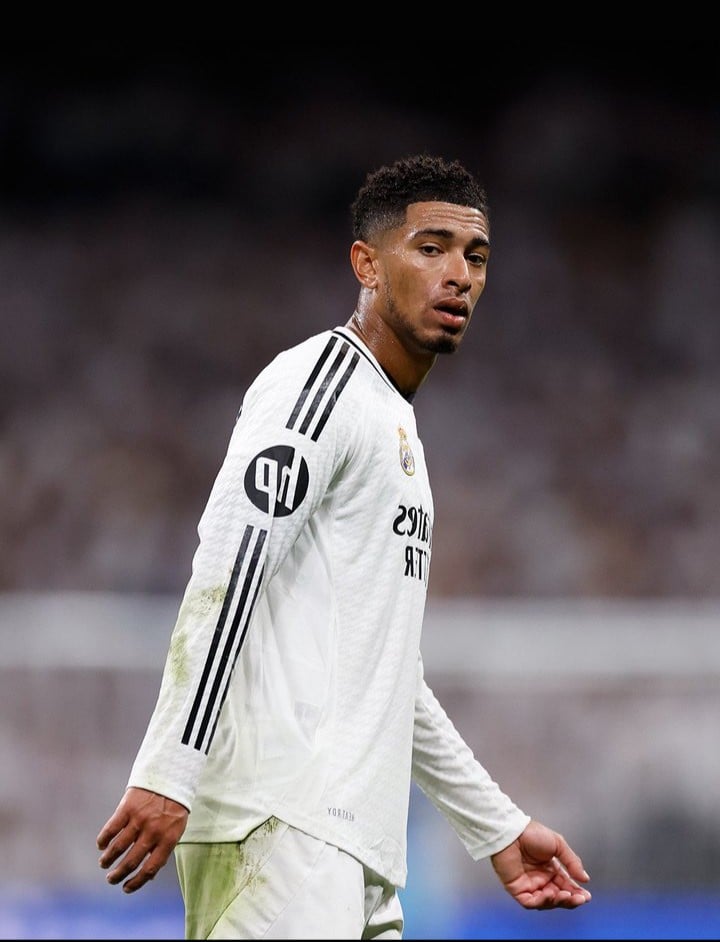
Football has always loved giving players numbers. The No. 6 protects the defence. The No. 8 connects midfield to attack. The No. 10 creates. Wingers stay wide. Full-backs overlap. Strikers score goals. For decades, those labels helped explain what happened on the pitch. They gave coaches a common language and supporters an easy way to understand roles. Even as formations changed, the idea remained the same. Every player belonged to a position. That idea is beginning to disappear. Watch Jude Bellingham for ninety minutes and he will defend like a holding midfielder, build attacks like a deep playmaker and finish moves like a striker. Bernardo Silva might start on the right wing but spend most of the match operating alongside his centre-backs. Alexis Mac Allister regularly alternates between being Liverpool's defensive shield and their primary progression outlet. Florian Wirtz drifts so freely across the final third that calling him a left attacking midfielder barely explains anything at all. These players are not position less. If anything, they are more structured than ever. Modern football has not abandoned positions. It has simply stopped treating them as permanent identities. The world's best coaches now organise their teams around functions that change with every phase of play, asking the same player to perform three or four completely different tactical jobs within a single match. The modern game did not invent another position. It made the old idea of a position as a permanent identity increasingly irrelevant.
The Myth of Position less Football "Position less football" has become one of the game's favourite buzzwords. Whenever a midfielder appears in the penalty area, or a full-back drifts into central midfield, the phrase quickly follows. It creates the impression that modern football has abandoned structure altogether, allowing players to roam wherever instinct takes them. The reality is almost the opposite. Elite football has never been more organised. Every movement is carefully rehearsed, every rotation serves a purpose and every player's location is dictated by the phase of play rather than personal freedom. What has changed is not the existence of positions but the expectation that one position defines an entire match. For decades, football was built around specialists. Claude Makélélé protected the defence. His job was to screen the back four, recover possession and recycle the ball. Mesut Özil lived between the lines, creating chances while carrying little defensive responsibility. Ryan Giggs stayed wide, stretching the pitch before attacking full-backs in one-versus-one situations. Each player mastered a single role. Today's elite footballers are expected to master several. The same player may begin an attack by dropping alongside the centre-backs, progress possession through midfield, arrive in the penalty area as an extra forward and immediately become the first defender once the ball is lost. These are not random movements. They are different tactical responsibilities performed within the same sequence of play. That distinction matters because it changes how we understand football itself. Modern teams are not built around where players stand on the team sheet. They are built around what those players are asked to do when possession changes hands. The position is only the starting point. The function is what truly defines the player. That is why describing modern football as "position less" misses the point entirely. The game has not lost its structure. It has simply replaced fixed positions with fluid responsibilities.
Four Players Who Explain Football's New Reality
No statistic captures modern football's evolution better than a heat map. Instead of neat patches confined to one area of the pitch, the game's most influential players now leave footprints that stretch across multiple zones. Their influence is measured less by where they start and more by how they adapt as the game unfolds. Jude Bellingham is perhaps the clearest example. Officially, he is an attacking midfielder. In reality, he changes identity throughout a match. During build-up, he drops alongside the deeper midfielders to help progress possession. As Madrid move forward, he occupies spaces between the lines like a traditional No. 10. Seconds later, he is sprinting beyond Kylian Mbappé into the penalty area, finishing attacks like a centre-forward. Against Barcelona during the 2025–26 season, he repeatedly transformed from deep playmaker to late-arriving striker within the same attacking sequence. Bernardo Silva performs a completely different kind of transformation. Listed as a right winger, he often abandons the touchline altogether. When Manchester City's build-up comes under pressure, Silva drops alongside the holding midfielder or even between the centre-backs, creating an extra passing option that allows City to escape the press. Once possession is secure, he moves forward again, connecting midfield and attack almost effortlessly. His role changes without a substitution or tactical reshuffle. Only the phase of play changes. Alexis Mac Allister has become Liverpool's phase connector. He recovers possession like a defensive midfielder, progresses the ball through central areas like a deep-lying playmaker and immediately joins the press whenever Liverpool lose control. His influence is not tied to one zone but to every transition between defence and attack. Florian Wirtz offers another variation. Nominally positioned on the left, he rarely stays there. Instead, he constantly drifts into the half-spaces, receiving between defensive lines before linking attacks through quick combinations or direct carries. His starting position exists only to create movement, not to restrict it. Four players. Four different teams. Yet all illustrate the same tactical truth. The elite footballer of 2026 is no longer defined by a position. They are defined by the number of tactical problems they can solve within a single match.
The Coaches Who Stopped Thinking in Positions
Players did not invent this change on their own. Managers did. The world's best coaches no longer build teams by filling eleven positions. They build them by assigning functions that constantly change throughout a match. Pep Guardiola has spent the last decade pushing football in that direction. His Manchester City sides rarely attack with the same shape they defend in. Full-backs become midfielders. Midfielders become centre-backs. Wingers drift inside while central players move wide. Bernardo Silva's role changes because Guardiola wants solutions, not positional discipline. The team sheet says one thing. The game says another. Luis Enrique follows the same principle through different methods. His Paris Saint-Germain side won the Champions League with players constantly exchanging responsibilities. Vitinha often dropped into the defensive line during build-up before appearing around the edge of the opposition penalty area minutes later. Ousmane Dembélé could begin an attack as a striker and finish it as a creator arriving from midfield. Every movement served the collective structure rather than an individual position. Xabi Alonso has taken the same principles to Chelsea. His midfielders rarely remain locked into fixed zones, instead rotating constantly to create overloads and manipulate opposition pressing structures. Rather than asking players to occupy one position, Alonso encourages them to attack the space that the game presents. The result is a team where movement is dictated by the ball, not by the team sheet, with roles changing naturally as possession flows from one phase to the next. Arne Slot and Mikel Arteta have reached similar conclusions. Liverpool's midfield rotates continuously to maintain control during transitions, while Arsenal build attacks around constant positional exchanges that create numerical superiority in different parts of the pitch. Neither manager asks players to stay inside invisible tactical boxes. Instead, they ask them to recognise situations. That distinction changes everything. Football has not become less organised. It has become more demanding. Players must understand several tactical roles instead of mastering only one. The game rewards intelligence as much as technical quality because recognising when to change function has become just as important as executing it. The modern coach is no longer searching for the perfect right winger or the perfect No. 10. They are searching for footballers capable of becoming both before the next phase of play begins.
The Position Is Dead. The Role Has Taken Over Perhaps football never needed another position. It simply outgrew the old ones. The language of the game still talks about No. 6s, No. 8s, No. 10s and wingers because those labels make football easier to describe. But the reality on the pitch has already moved on. The world's best players no longer spend ninety minutes performing a single job. They solve different tactical problems every time possession changes hands. That is why calling modern football "positionless" misses the point. There is still structure. There is still discipline. There are still roles. They just refuse to stay the same. The team sheet may tell us where a player starts. It no longer tells us who they are. In the modern game, the greatest footballers are not defined by a position. They are defined by their ability to become whatever the next moment demands.