The Hosts Are Winning Exactly As Planned
For years, North America was football's future. The opening weeks of the 2026 World Cup suggest it may have become the present.
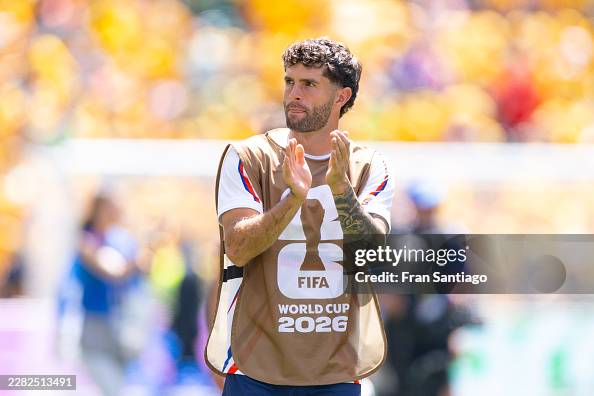
When Canada's sixth goal hit the net against Qatar, nobody inside BC Place looked surprised anymore. The noise was deafening. The celebration was enormous. The shock was gone. For decades, Canada existed on the edge of world football. The World Cup felt like something other countries attended. Yet here they were, dismantling an opponent on home soil while a stadium full of supporters celebrated as if this was exactly what was supposed to happen. A few days earlier, Mexico had calmly secured top spot in Group A. And a few days later, the United States followed them into the knockout rounds with the kind of authority rarely associated with American teams at previous World Cups. Three hosts. Three different football cultures. One shared feeling. None of this looks accidental. That is what makes the opening weeks of the 2026 World Cup so fascinating. The biggest story of the tournament may not be the goals, the crowds, or even the results themselves. It may be that football's most ambitious hosting project is proving something larger. The United States, Mexico, and Canada are not riding a wave of home advantage. They are collecting the rewards of work that began decades ago. Host Nations Usually Ride Emotion World Cup history is filled with host nations discovering an extra level of performance. South Korea reached the semi-finals in 2002. Germany used the 2006 tournament to rebuild its football identity. Russia stunned Spain and reached the quarter-finals in 2018. The explanation usually feels simple. Crowds create momentum. Familiar surroundings reduce pressure. National pride pushes players beyond their limits. Those factors are certainly present in 2026. Estadio Azteca has once again become one of the most intimidating environments in football. BC Place in Vancouver has generated an atmosphere that feels more European than North American. Across the United States, fan marches and packed stadiums have created an energy that many outsiders did not expect. But emotion alone does not explain what is happening. Emotion helps teams overperform. It does not usually produce tactical maturity, squad depth, and consistent control across three different national teams at the same time. Something else is driving this tournament. Most host nations spend years preparing for a tournament. These hosts spent years preparing for a future. That distinction matters. Because what separates the 2026 hosts from South Korea in 2002 or Russia in 2018 is that their success feels sustainable. This is not a temporary surge. It looks more like an arrival. The United States Built This Moment For decades, American soccer was viewed as a project. Potential always existed. Results rarely matched it. The launch of Major League Soccer in 1996 started a long-term process that many people underestimated. Expansion clubs created new academies. Development pathways improved. Young players gained access to professional environments much earlier. The result is visible in the current squad. Christian Pulisic remains the face of American soccer, but he no longer looks like a lone star carrying an entire football nation. Instead, he looks like the most visible product of a mature system. The United States secured qualification for the Round of 32 with a game to spare. More importantly, they did it while looking comfortable. This is not a team surviving on emotion. It is a team that understands exactly who it is. For perhaps the first time in modern World Cup history, the United States does not feel like an outsider hoping to belong. It feels like a contender expecting to. Canada's Explosion Was Years In The Making Canada's rise feels sudden only if you were not paying attention. A decade ago, Canadian men's football barely existed in global conversations. Talented players emerged occasionally, but there was no consistent pathway capable of sustaining success. That changed with the creation of the Canadian Premier League, deeper integration with MLS development structures, and greater investment in youth football. The transformation became impossible to ignore against Qatar. The 6-0 scoreline immediately grabbed headlines, but the most striking aspect was how normal it looked. Canada did not appear overwhelmed by the moment. They did not play like a nation celebrating its arrival. They played like a team that expected to dominate. That confidence is perhaps the most important development of all. For decades, Canada's football story revolved around possibility. Now it revolves around expectation. That is a very different place to be. What made the victory over Qatar feel significant was not the scoreline. It was the reaction afterward. Nobody spoke about miracles. Nobody spoke about shocking the world. The conversation immediately shifted toward the next match. That change in mentality may be the clearest sign of how far Canadian football has come. Nations that believe they belong do not celebrate participation. They start planning advancement. Mexico Is Chasing Something Bigger Mexico's relationship with the World Cup has always been complicated. Unlike the United States and Canada, football has never needed to establish itself there. The culture, passion, and pressure all of them already existed. What Mexico lacked was the breakthrough moment. For years, the country's World Cup story became trapped by the famous quinto partido curse. Reaching the knockout rounds felt routine. Moving beyond them felt impossible. That context makes this tournament fascinating. Winning Group A was not celebrated as an extraordinary achievement. It was treated as the minimum requirement. The expectation surrounding this team is unlike anything faced by the other hosts. Playing at the Azteca brings enormous advantages. It also brings enormous pressure. Every victory increases belief that this could finally be the tournament where Mexico breaks through. And every victory increases the weight of expectation. Mexico's challenge is different. The United States and Canada are trying to establish themselves. Mexico is trying to finally justify expectations that have existed for generations. That pressure changes everything. Winning matches earns applause. Failing to reach the quarter-finals would feel like another national disappointment. No host nation enters this tournament carrying a heavier emotional burden. This Is Bigger Than Home Advantage The most fascinating part of this World Cup is that the three hosts arrived here through completely different journeys. The United States built a football economy. Canada built a development pathway. Mexico built decades of football culture into a modern competitive machine. Different roads. Same destination. That is why their success feels significant. This is not a story about three countries enjoying a temporary boost from hosting a tournament. It is a story about three football systems reaching maturity at the same time. The results simply happen to be arriving on football's biggest stage. The Warning From History Of course, none of this guarantees a deep run. World Cup history is ruthless. Japan topped their group in 2002 before exiting in the Round of 16. Russia's magical run ended in the quarter-finals. Many hosts have discovered that momentum can disappear as quickly as it arrives. The new 48-team format is equally unforgiving. One bad night ends everything. That reality still awaits all three hosts. Yet even if the knockout rounds bring disappointment, something important has already happened. The perception of North American football has changed. For years, the region was viewed as football's future. The opening weeks of this tournament suggest it may already be part of football's present. More Than A Host Story The easiest explanation for what is happening is home advantage. The better explanation is patience. The United States built academies. Canada built pathways. Mexico built one of the deepest football cultures in the world and then modernized it. Different journeys. Different histories. Different expectations. Yet all three arrived at the same moment. That is why this tournament feels significant. The story is no longer about whether football can grow in North America. That argument has already been settled. The story is about what happens when growth turns into power. Perhaps one of these teams will make a historic run. Perhaps all three will be eliminated sooner than expected. World Cups have a habit of humbling even the strongest narratives. But something has already changed. For years, football spoke about North America as the future. A place where the sport was coming. A place where potential existed. A place where one day things might happen. The opening weeks of the 2026 World Cup suggest that day has already arrived. Because futures are things that have not happened yet. And after watching Mexico, Canada, and the United States begin this tournament, North American football no longer feels like the future. It feels like the present.
More from Dhruv Kapoor coming soon.
Visit the profile to follow and get notified when the next piece lands.